Nigeria’s oil and gas sector shows a widening gap in debt sustainability across industry players, with a few companies demonstrating prudent balance sheet management, while others remain deeply burdened by high borrowings and negative equity.
The top five most indebted listed oil and gas companies—led by Oando Plc, Seplat Energy Plc —highlight contrasting financial realities, from strategic leverage to severe solvency stress.
While some firms have leveraged debt to drive expansion and maintain liquidity buffers, others face mounting repayment challenges, underscoring the importance of disciplined capital structure management in a high-interest-rate environment.

Below are the most indebted listed companies in the oil and gas industry.
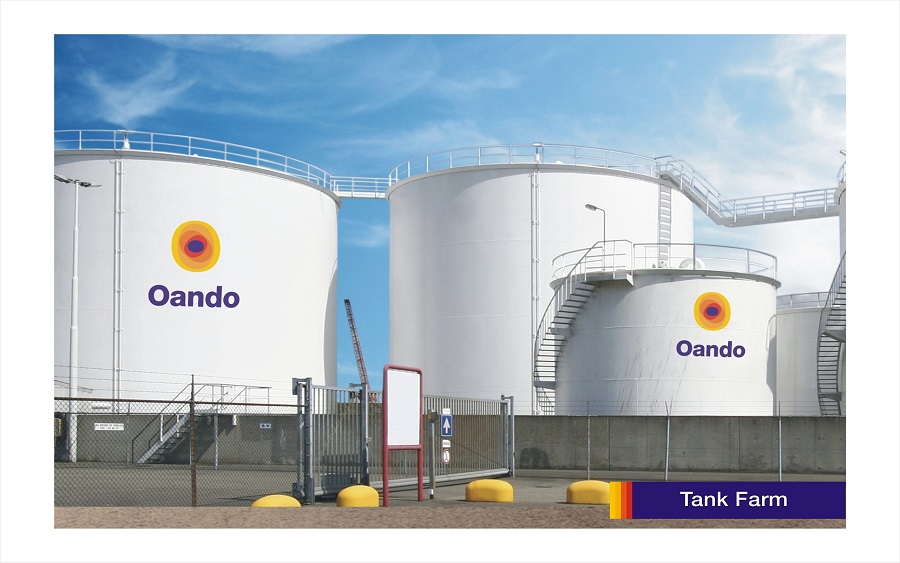
- Current debt: N1.12 trillion
- Non-current debt: N2.08 trillion
Total debt of N3.19 trillion in June 2025, almost doubling from N1.61 trillion a year earlier (+98.54% YoY). Oando Plc presents a highly distressed leverage position. As of June 2025, the company’s total borrowings of N3.19 trillion, offset by only N227.71 billion in cash and cash equivalents, resulting in a net debt position of N2.97 trillion.
Its debt-to-equity ratio of -10.44x and asset-to-equity ratio of -22.10x reflect a negative equity base, meaning the company’s liabilities significantly exceed shareholders’ funds. A debt-to-capital ratio of 1.11x confirms that its capital structure is almost entirely debt-driven, leaving little to no equity buffer. The debt ratio of 0.47x indicates that nearly half of its total assets are financed through borrowings.
The company’s debt-to-EBITDA ratio of -27.90x suggests that operating earnings are negative, making its borrowings unsustainable under current performance levels. Additionally, an interest coverage ratio of -1.41x shows that Oando is not generating enough earnings to cover its interest obligations, underscoring significant financial strain.
Oando’s leverage profile signals severe balance sheet pressure and elevated financial risk. While its heavy borrowings have supported capital-intensive upstream operations and restructuring efforts, the negative equity and inability to cover interest costs highlight the urgency to restore financial stability.