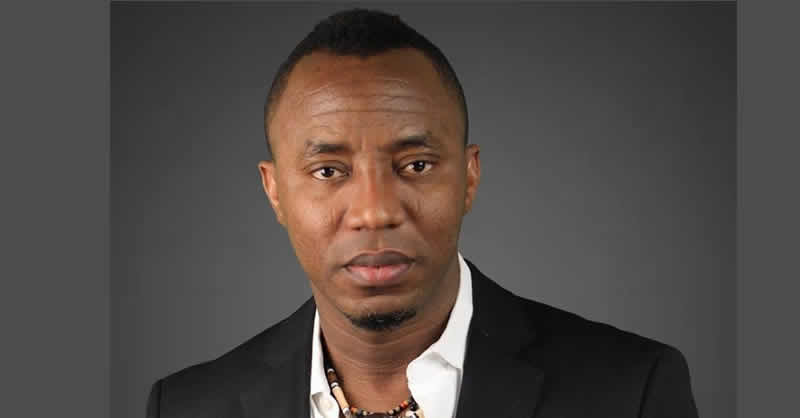
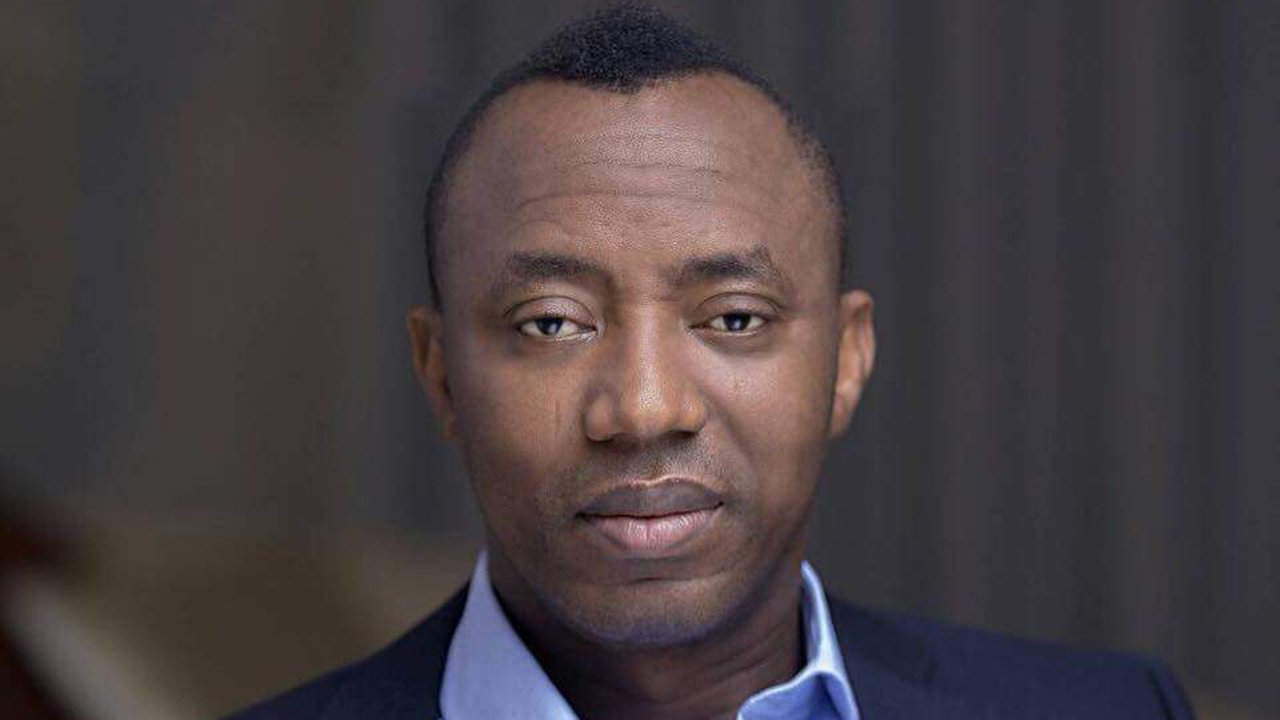
The Federal Government has filed a criminal suit against politician and activist Omoyele Sowore for allegedly cyberbullying President Bola Ahmed Tinubu on social media.
According to the News Agency of Nigeria (NAN), the case, marked FHC/ABJ/CR/484/2025, was lodged at the Federal High Court in Abuja and also lists Meta (Facebook) Inc. and Elon Musk’s X Inc. (formerly Twitter) as co-defendants.
The five-count charge, dated September 16 and filed by the Director of Public Prosecutions at the Federal Ministry of Justice, Mohammed Abubakar, accuses Sowore of publishing false and defamatory claims against the President.


False claim
According to the filing, Sowore, publisher of Sahara Reporters and presidential candidate of the African Action Congress (AAC) in 2019 and 2023, allegedly referred to President Tinubu as “a criminal” in a social media post.
The government argues that the statement was false and intended to provoke a breakdown of law and order.
One of the cited posts from Sowore’s verified X handle, @YeleSowore, allegedly read:
“THIS CRIMINAL @ OFFICIAL PBAT ACTUALLY WENT TO BRAZIL TO STATE THAT THERE IS NO MORE CORRUPTION UNDER HIS REGIME IN NIGERIA. WHAT AUDACITY TO LIE SHAMELESSLY!”
Legal basis
The prosecution contends that Sowore’s remarks contravened the provisions of the Cybercrimes (Prohibition, Prevention, etc.) Amendment Act, 2024, specifically Section 24 (1) (b).
The Act criminalizes the use of electronic platforms to spread false information intended to cause public unrest or damage reputations.
The suit comes just days after the Department of State Services (DSS) reportedly requested that Meta and X take down Sowore’s posts.
What you should know
Sowore’s case adds to a growing list of prosecutions under the Cybercrimes Act, which has become one of the most cited pieces of legislation in Nigeria’s digital space.
In March 2024, social media activist Okoli Chioma was charged in Anambra State for allegedly publishing false claims about a businessman’s private life on Facebook. The post was deemed harmful to his reputation, sparking one of the first major tests of the amended law.
- In July 2024, popular comedian and skit maker Trinity Guy was arraigned after posting a prank video that authorities described as “misleading and capable of inciting public disorder.”
- Though later granted bail, his case sparked heated debates on whether satire should fall within the scope of cybercrime regulation.
Journalists have also faced scrutiny under the Act.
- In September 2024, Daniel Ojukwu, a reporter with the Foundation for Investigative Journalism (FIJ), was briefly detained for alleged violations tied to online reporting.
- Civil society groups at the time argued that the government risked using the cybercrime law as a backdoor to stifle press freedom.
- Similarly, in October 2024, Enugu-based activist Chuka Nnamdi was arrested and charged over posts critical of state government officials. His case drew attention from international human rights organisations, who warned against weaponising cybercrime legislation against political opponents and dissenting voices.
Nairametrics reported that the Socio-Economic Rights and Accountability Project (SERAP) had recently called on President Bola Tinubu to halt the use of the controversial Cybercrimes Act to harass and detain journalists, critics, and citizens exercising their right to free expression online.