
 Follow Us on Google Discover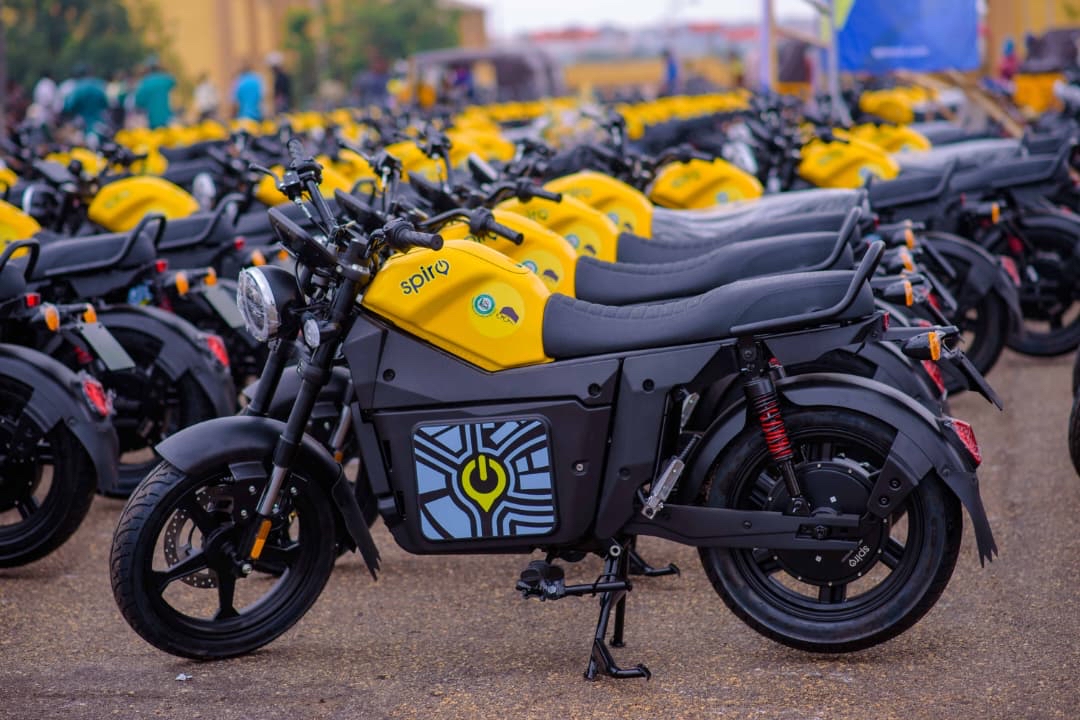
Spiro’s strategic push into Nigeria’s electric motorcycle market represents a significant milestone not just for the country but for the global transition toward sustainable and inclusive mobility.
In a world grappling with climate change, energy insecurity, and urban congestion, Spiro’s innovative approach addresses these challenges head-on by offering an affordable, reliable, and environmentally friendly alternative to petrol-powered motorcycles that millions depend on daily for their livelihood.
Nigeria’s motorcycle market, with over 20 million active units and more than one million new sales annually, is one of the largest underexplored opportunities for electric vehicle adoption in the developing world. This transition is timely amid rising fuel prices, government regulations targeting pollution, and growing awareness of environmental sustainability.
Spiro’s model goes beyond simply selling electric motorcycles; it builds a comprehensive ecosystem centered on battery swapping, financing, and rider support, which mirrors successful transformative business models around the world.
Also Read
The battery swap system, cutting down refueling times to under two minutes and reducing operational costs by as much as 40%, removes major adoption barriers such as range anxiety and high upfront costs.

By partnering with microfinance institutions and integrating digital payment options, Spiro innovatively broadens access to this technology for riders who often have limited capital and rely on daily earnings. This blend of technology and financial inclusion exemplifies how emerging markets can leapfrog traditional transport infrastructure and the fossil fuel economy to adopt greener and more equitable solutions.
Globally, Spiro’s intervention aligns with key climate goals and the shift towards net-zero emissions, positioning Nigeria to contribute meaningfully to global climate action. Each electric motorcycle on the road has the potential to reduce carbon emissions by up to 1.5 tonnes annually, aiding Nigeria’s commitment to carbon neutrality by 2060. This environmental impact is coupled with significant social benefits by lowering riders’ fuel expenses and providing dependable transport options, which are crucial for sustaining informal economies prevalent across many developing countries. Moreover, Spiro’s vision to evolve swap stations into renewable energy hubs reflects a sophisticated integration of transport and decentralized clean energy systems—a paradigm many cities worldwide are beginning to explore as they seek sustainable urban solutions.
For investors and dealers, Spiro’s model offers a scalable, recurring revenue stream in one of Africa’s most promising EV markets, underpinned by strong demand from logistics, delivery networks, and informal transport sectors.
The analogy to the prepaid airtime model that revolutionized Africa’s telecom industry highlights the potential for sustained growth and market stickiness.
This approach demonstrates how innovative business models adapted to local realities can attract global capital while empowering local communities. Furthermore, as African nations and emerging economies face immense pressure to modernize transport while tackling environmental challenges, Spiro’s Nigerian footprint sets a replicable example that could influence policies and investments across continents.
Ultimately, Spiro’s journey marks a blueprint for a new transport economy where sustainability, economic inclusion, and technological innovation converge. It signals a broader shift where green mobility is not just aspirational but inevitable in developing urban centers around the world. Nigeria’s success in adopting electric motorcycles on a wide scale could be a bellwether for similar markets globally, proving that clean energy solutions can be practical, profitable, and transformative.
As this electric mobility revolution unfolds, Spiro is poised to be at the forefront—leading not only a change in how people move but also how entire economies grow, sustain, and thrive in a rapidly evolving global landscape.



Please where are their sales outlets?
Is the Spiro motorcycle now being sold in Nigeria? If so, how much and where? What consideration can be given to those that cannot pay at once but by instalment? How is it’s battery being charged? Can commercial bike riders use it daily to earn money?
From Joseph E. I.,
Osogbo.
Where’s Spiro motorcycle is being sold?