Follow Us on Google Discover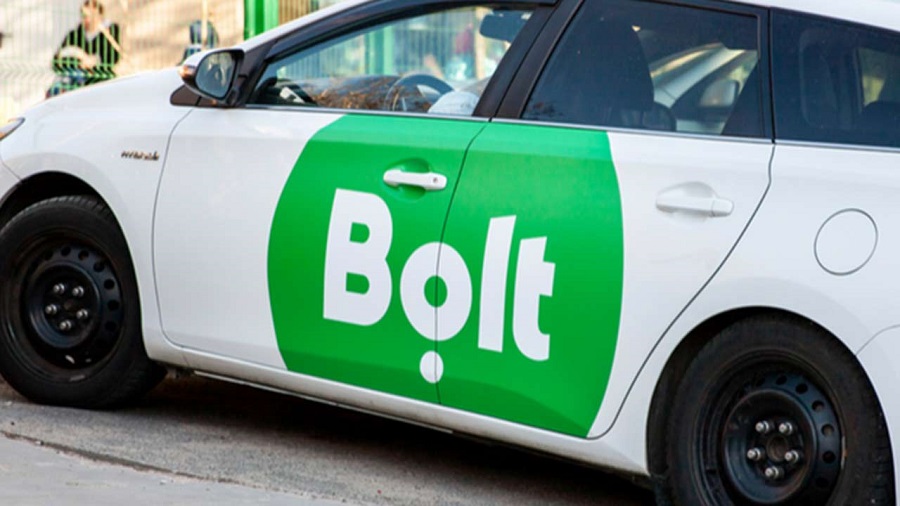
Ride-hailing company, Bolt, has vowed to remain in Nigeria despite the exit of rival ride hailing company Uber and the challenges facing the country’s mobility industry.
The company, in a statement shared with Nairametrics, said Nigeria remains an important market for its growth, assuring riders, drivers, and other stakeholders that it remains focused on strengthening its operations and expanding opportunities in the country.
The assurance comes the same day Uber announced that it would wind down its operations in Nigeria and Uganda, effective September 2, 2026, following a review of its business priorities and investment focus across Africa.
What they are saying
The company said its focus in Nigeria remains on providing reliable mobility solutions for riders, creating earning opportunities for drivers and working with stakeholders to support the development of the country’s mobility ecosystem.
Also Read
- “Nigeria remains an important market for Bolt, and we remain firmly committed to the country. We have built a strong community of riders and driver partners over the years, and our focus is on continuing to serve them while strengthening our operations and creating more opportunities across the market,” said Teddy Appa-Dankyi, Senior General Manager, Bolt West Africa.
- “We recognise that there is understandably some uncertainty following recent developments in the industry.
- “However, our focus remains firmly on the long term. We will continue working closely with our drivers, riders, regulators and other partners to contribute to a reliable, accessible and sustainable mobility ecosystem in Nigeria,” Appa-Dankyi added.
Backstory
Nairametrics earlier on Wednesday reported that Bolt’s rival, Uber, has shut down operations in Nigeria and Uganda, effective immediately.
The company said the decision followed a “thorough review” and was limited to the two markets, with no impact on its operations elsewhere in Africa.
Uber’s statement suggested that the market has not been favourable to it, saying it is now focusing its investments on markets where it believes it can create the most value for drivers by providing earning opportunities at scale and enabling riders to travel seamlessly.
However, the company clarified that its exit from Nigeria is unrelated to the recent directive by the Federal Airports Authority of Nigeria (FAAN) concerning e-hailing operations at Nigerian airports.
Recall that Uber, Bolt and other operators were allegedly banned from the nation’s airports recently, a claim the Federal Airports Authority of Nigeria (FAAN) later denied.
Just last week, the FAAN issued a statement saying it has cleared Bolt to resume e-hailing services at FAAN-managed airports following a temporary interruption that caused inconvenience and increased transportation costs for passengers.
What you should know
With the exit of Uber, Nigerians are now left with only three major ride-hailing platforms, which include Bolt, Lagos-backed LagRide, and InDrive.
This means limited choices for both drivers and riders who usually compare prices across platforms before choosing which to order from.
While some drivers operate on multiple platforms, drivers operating solely on Uber will now have to join other platforms or quit the business.