Follow Us on Google Discover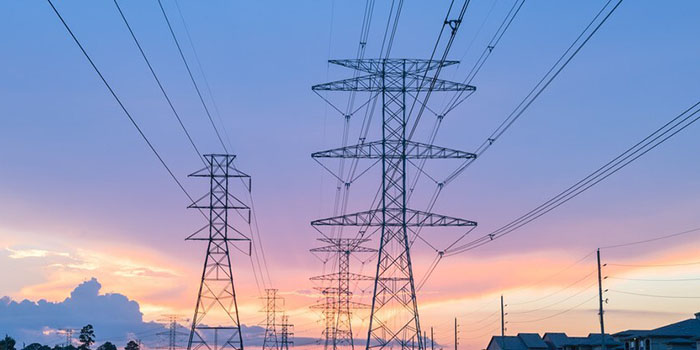
More than 100 global companies, including Nestlé, Ikea, Uber, Volvo Cars, and Iberdrola, have called on governments to make electrification a central pillar of their economic and energy strategies to reduce exposure to volatile fossil fuel prices.
The appeal was made in an open statement backed by 112 businesses with combined annual revenues of approximately $1.5 trillion and coordinated by the We Mean Business Coalition and the Global Renewables Alliance, Reuters reported.
The companies said recent energy market disruptions, including those linked to geopolitical tensions in the Middle East, have highlighted the economic risks associated with continued dependence on fossil fuels.
What they are saying
The coalition of companies warned that reliance on fossil fuel markets continues to expose economies and businesses to significant risks.
Also Read
- “Continued reliance on volatile fuel markets exposes economies to disruptions that drive price spikes, destabilise supply chains and delay investment,” they stated
The companies noted that exposure to fossil fuel-driven price shocks undermines competitiveness and creates uncertainty for businesses.
They argued that accelerating electrification across key sectors would help lower overall energy demand while improving energy resilience.
The statement also stressed that many of the technologies required for electrification are already commercially available and can be deployed at scale.
The group urged policymakers to adopt long-term strategies that support a faster transition to electricity-based energy systems.
More insights
The companies noted that achieving large-scale electrification would require supportive government policies and regulatory reforms.
- They called for improvements in electricity market design to encourage investment and improve efficiency.
- The group urged governments to invest more in power grid infrastructure to support growing electricity demand.
- Faster permitting processes were also identified as critical to accelerating renewable energy and electrification projects, the companies noted.
- The companies warned that continued energy market volatility could result in higher operating costs, weaker competitiveness, and delayed investment decisions.
The intervention comes as governments and businesses worldwide reassess energy strategies following recent commodity price spikes and supply disruptions.
What you should know
The World Bank and the African Development Bank (AfDB) earlier announced that Mission 300, an initiative aimed at providing electricity to 300 million Africans by 2030, has connected more than 50 million people to power across 40 countries, nearly two years after its launch.
In February 2026, Mission 300 disclosed that it plans to provide household energy access to 17.5 million Nigerians as part of its broader electrification strategy.
- A month earlier, the African Development Bank approved a $3.9 million two-year project to support Nigeria and 12 other African countries in implementing energy compacts under Mission 300.
- Also in January, the World Bank approved $50 million to expand solar-powered agricultural solutions in Nigeria and five other African countries, with the aim of boosting productivity, reducing post-harvest losses and expanding clean energy access.