Follow Us on Google Discover
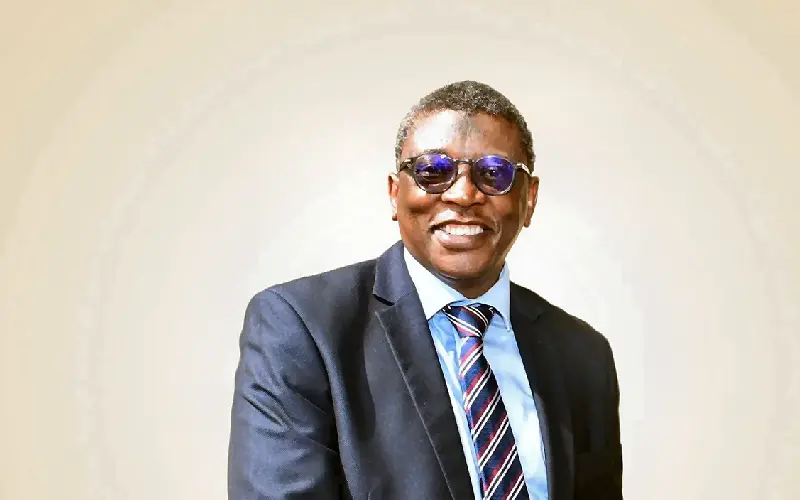
The Nigerian Economic Society (NES) has urged political parties, governments and other stakeholders to maintain fiscal discipline and policy continuity ahead of the 2027 general elections, warning against decisions that could undermine the gains of ongoing economic reforms.
The Society’s President, Dr Baba Yusuf Musa, made the call on Thursday at the 2026 National Growth and Development Forum, organised by Moneyline with Nancy on African Independent Television in Abuja.
His warning comes as Nigeria approaches another election cycle, a period often associated with increased campaign spending, pressure on public finances and concerns that short-term political considerations could influence economic decisions.
Speaking on the theme, “The Nigeria We Want: The Economy, Your Money, Our Future,” Musa said sound economic management should remain a priority across political parties and levels of government.
Also Read
NES urges fiscal discipline before 2027 polls
Musa urged political stakeholders to protect the gains of ongoing reforms by maintaining fiscal discipline and ensuring policy continuity, regardless of political interests.
- “As we approach the 2027 elections, I appeal, respectfully but earnestly, to all stakeholders, across every party and every tier of government, to protect these hard-won gains through fiscal discipline and policy continuity. Sound economics should be the common ground on which all who aspire to lead this nation can stand,” he said.
He cautioned against treating borrowing as a substitute for a clear development strategy, stressing that public spending should be guided by measurable outcomes.
- “Debt is a financing instrument, not a development strategy,” Musa declared.
- “And every naira of public spending should answer three questions: What problem will it solve? Who will benefit? And how will we know it worked?”
Musa acknowledged the Federal Government’s reforms, including petrol subsidy removal, foreign exchange market unification, bank recapitalisation and tax reforms, describing them as difficult but necessary decisions.
He cited economic growth of 4.43% in the second quarter of 2026, October inflation of 14.06%, external reserves of approximately $55 billion and the reduction in the monetary policy rate from 26.5% to 23% as signs of improving macroeconomic conditions.
However, he warned that improved economic indicators had yet to translate into shared prosperity.
- “Macroeconomic stability is necessary, but it is not yet shared prosperity. A stable exchange rate is not yet a full dinner table. Stability is the foundation; it is not the building,” he stated.
Musa outlines priorities for sustainable growth
Citing World Bank estimates, Musa said approximately 63% of Nigerians lived below the poverty line in 2025, while food inflation, weak industrial growth and widespread informal employment remained significant challenges.
He identified five priorities for sustainable development: job-creating growth, affordable credit, domestic production, investment in human capital and disciplined public finance.
The NES president also proposed a national development compact involving government, businesses, universities, the media and citizens. He said the framework should be supported by measurable indicators covering household incomes, employment, education, healthcare, electricity and poverty reduction.
Musa said Nigeria needed to move away from policies driven by immediate political approval towards decisions that deliver lasting economic benefits.
- “We must replace the politics of short-term applause with the economics of long-term results,” he said.
Tinubu reforms face welfare and debt tests
Also speaking at the forum, the Special Adviser to President Bola Tinubu on Economic Affairs, Tope Fasua, defended the administration’s reforms, arguing that improvements in household welfare depended on achieving macroeconomic stability.
- “If you don’t build a strong macro, you can’t go anywhere with the micro,” Fasua said.
He cautioned against excessive reliance on cash transfers and monetary financing, referring to the previous administration’s Ways and Means advances.
The Tinubu administration’s economic policies remain among the most debated issues in Nigeria’s economic landscape.
One of its major decisions was the removal of the petrol subsidy shortly after Tinubu assumed office in 2023. The policy changed the country’s fiscal structure and revenue allocation framework.
- Analysts estimate that ending the fuel subsidy saved the government between N4 trillion and N6 trillion annually in fiscal costs.
- According to the Debt Management Office (DMO), Nigeria’s total public debt stood at N87.38 trillion as of June 30, 2023, shortly after Tinubu assumed office.
By December 31, 2025, total public debt had risen to N159.28 trillion, reflecting increased borrowing, exchange rate adjustments and the securitisation of legacy obligations.