Follow Us on Google Discover
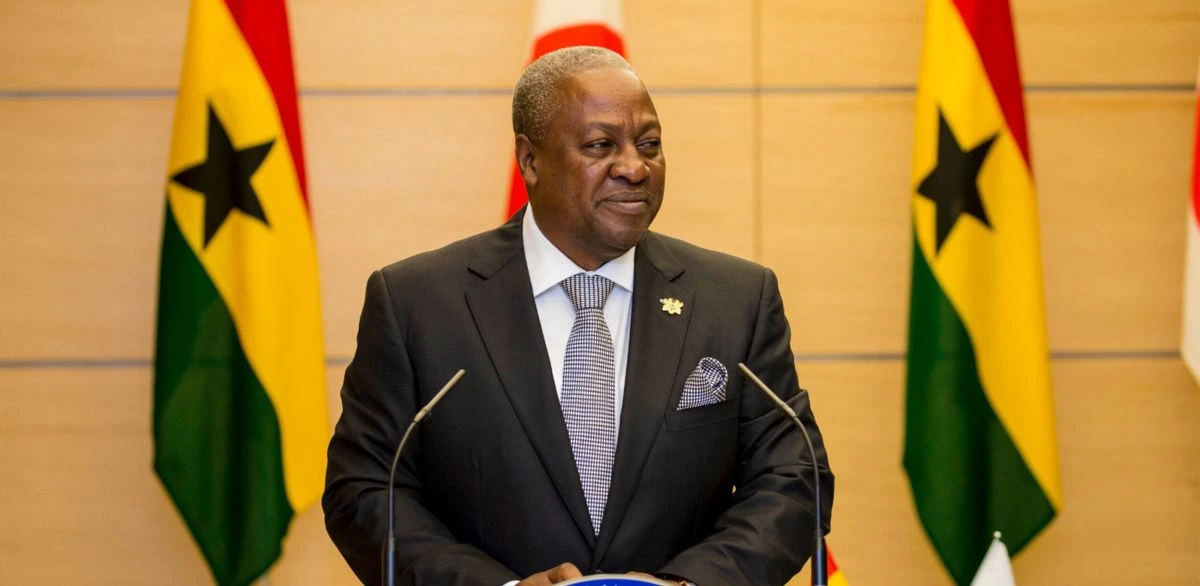
Ghana’s public debt has increased by 32% under President John Mahama in less than two years, reaching $65.3 billion as of October 2026.
Data from the Bank of Ghana’s latest public debt figures show that the country’s debt stock rose from $49.4 billion at the end of 2024 to $65.3 billion in October 2026.
The $15.9 billion increase represents more than three-quarters of the $20.3 billion added to Ghana’s debt over the entire eight-year period between 2016 and 2024 under the previous administration.
Ghana’s debt rises 32% under Mahama
The pace of Ghana’s debt accumulation under the Mahama administration represents a significant increase compared with the previous eight years under former President Akufo-Addo.
Also Read
- Between 2016 and the end of 2024, Ghana’s public debt stock increased from $29.2 billion to $49.4 billion, representing an increase of approximately $20.2 billion over eight years.
- By comparison, the country’s debt stock increased by $15.9 billion between the end of 2024 and October 2026, a period of less than two years.
- The comparison highlights the difference in the rate of debt accumulation under the two administrations:
Under Akufo-Addo, Ghana’s debt stock increased by an annual average of approximately $2.5 billion between 2016 and 2024.
Under Mahama, the annual average increase between the end of 2024 and October 2026 stands at approximately $8.7 billion.
Ghana’s external debt and economic recovery
Ghana’s external debt stood at approximately $29.4 billion as of December 2025, representing 25.63% of its Gross Domestic Product (GDP).
The country has been working to recover from a major fiscal crisis in 2022, which resulted in an IMF-supported debt restructuring programme. Since then, economic conditions have shown signs of improvement, supported by easing inflation and an increase in foreign reserves.
Key developments in the country’s economic recovery include:
- Ghana’s external debt stood at approximately $29.4 billion as of December 2025.
- External debt represented 25.63% of the country’s GDP during the period.
- The country’s foreign reserves increased to $14.47 billion by February 2026.
Despite these improvements, Ghana’s economic recovery remains fragile, with debt repayments and refinancing pressures continuing to pose challenges.
The country will therefore need to maintain careful fiscal management to sustain its recovery and avoid a return to debt distress.
Nigeria’s public debt and borrowing outlook
Nigeria’s public debt stood at N166.79 trillion as of June 30, 2026, up from N159.35 trillion recorded at the end of March 2026, according to the Debt Management Office (DMO).
- Domestic debt accounted for N91.59 trillion, representing 54.91% of the total, while external debt stood at N75.20 trillion, or 45.09%.
- On November 9, 2026, the DMO projected that Nigeria’s debt service-to-Federal Government revenue ratio could rise to 71.7% by 2030, exceeding its recommended 50% threshold under the baseline scenario.
- The projection was contained in the DMO’s 2024 Debt Sustainability Analysis report, which also identified weak revenue mobilisation, exchange rate depreciation and rising financing costs as major risks to debt sustainability.
On November 4, 2026, President Bola Tinubu sought Senate approval for N10.79 trillion ($7.7 billion) in external borrowing to finance part of the 2026 budget deficit.
The proposed external borrowing forms part of the N29.2 trillion new borrowing requirement in the 2026 Appropriation Act, comprising N18.4 trillion in domestic borrowing and N10.79 trillion in external financing.