Follow Us on Google Discover
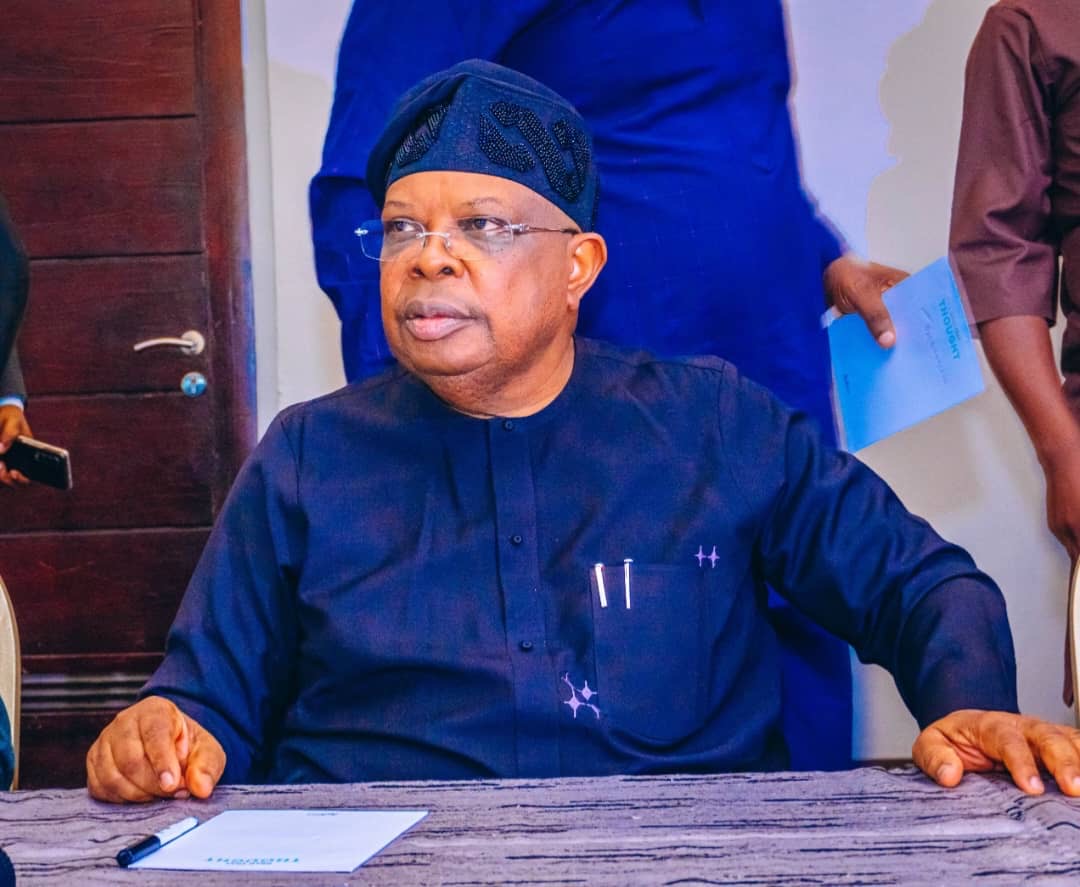
Nigeria’s Minister of Power, Joseph Tegbe, has identified gas supply constraints, ageing infrastructure, vandalism, transmission limitations, poor metering and commercial challenges as systemic problems affecting the country’s electricity sector.
He disclosed this during an interactive luncheon with senior editors on Friday, November 13, 2026, in Lagos.
Tegbe, who sought media partnership to strengthen public trust, also highlighted progress on power sector reforms, including the settlement of legacy debts, increased metering and improvements to transmission infrastructure.
Tegbe Lists Nigeria’s Electricity Challenges
The minister acknowledged Nigerians’ frustration over unreliable electricity supply, assuring them that the Federal Government was addressing the sector’s longstanding challenges through coordinated and measurable interventions.
Also Read
He reaffirmed the Tinubu administration’s commitment to transforming Nigeria’s electricity sector through sustained reforms, infrastructure investment and improved service delivery.
Tegbe stressed that rebuilding public confidence would require not only improved electricity supply but also transparency, accountability and sustained engagement with the media.
He said the interconnected challenges across the power sector required disciplined reform implementation rather than isolated interventions or short-term solutions.
Highlighting progress, Tegbe disclosed that the Federal Government had settled N1.23 trillion of the N3.3 trillion approved by President Bola Ahmed Tinubu for verified legacy debts owed to electricity generation companies.
He also revealed that more than 2.8 million electricity customers had been metered between 2023 and October 2026 under the Presidential Metering Initiative.
Recently commissioned substations and equipment have added more than 1,300MVA to national transmission capacity.
The transmission improvements cover locations including Apapa, Ijora, Ikeja, Kumbotoso, Dankata, Mashi, Dan-Agundi, Biliri and Walalambe.
FG Targets 24-Hour Electricity Zones
The minister also highlighted plans to replace the existing National Grid Control Centre, which is over 60 years old, with a new facility in Osogbo, alongside efforts to expand generation capacity to 10,000MW.
Looking ahead, Tegbe outlined the Ministry’s corridor-based electricity development strategy, targeting the Lagos-Ogun, Benin-Enugu-Port Harcourt and Abuja-Kaduna-Kano economic corridors as critical energy zones.
He explained that the Lagos-Ogun axis and Abuja franchise area, which together account for more than 50% of national electricity demand, would serve as proposed pilot locations for 24-hour energy zones, subject to technical readiness and commercial viability.
The initiative seeks to align generation, transmission and distribution capacity with demand in major economic centres.
On infrastructure security, the minister disclosed that the Federal Government had approved a coordinated anti-vandalism campaign involving relevant security agencies, supported by stronger legal measures to protect critical electricity assets.
Addressing the role of the media, Tegbe called for a constructive partnership built on factual reporting, professional scrutiny and transparent communication of government interventions.
He emphasised that Nigerians deserved timely explanations of electricity disruptions, remedial actions and the responsibilities of institutions across the power value chain.
While acknowledging that the sector remained far from meeting national expectations, the minister expressed confidence that sustained reforms, institutional collaboration and disciplined implementation would progressively improve electricity supply.
He assured the editors that the Ministry would maintain open communication channels, welcome constructive criticism and provide regular updates on reform implementation.
Tegbe reiterated that the ultimate measure of success would not be installed capacity or policy announcements alone, but tangible improvements in electricity supply to Nigerian homes, businesses and industries.
What you should know
Earlier in October 2026, Tegbe outlined a roadmap to stabilise Nigeria’s electricity grid, expand transmission capacity and attract fresh investment into the power sector, with a focus on improving electricity supply and resolving longstanding industry challenges.
He said the government’s focus must shift from designing reforms to delivering measurable improvements in electricity supply, system performance and market sustainability.
The minister outlined four priorities for the sector: strengthening energy zones, improving liquidity and financial sustainability, optimising existing assets, and expanding infrastructure to meet future demand.
He also identified gas supply constraints, overstretched transmission infrastructure, distribution losses and accumulated industry liabilities as major challenges requiring coordinated action across the electricity value chain.