 Follow Us on Google Discover
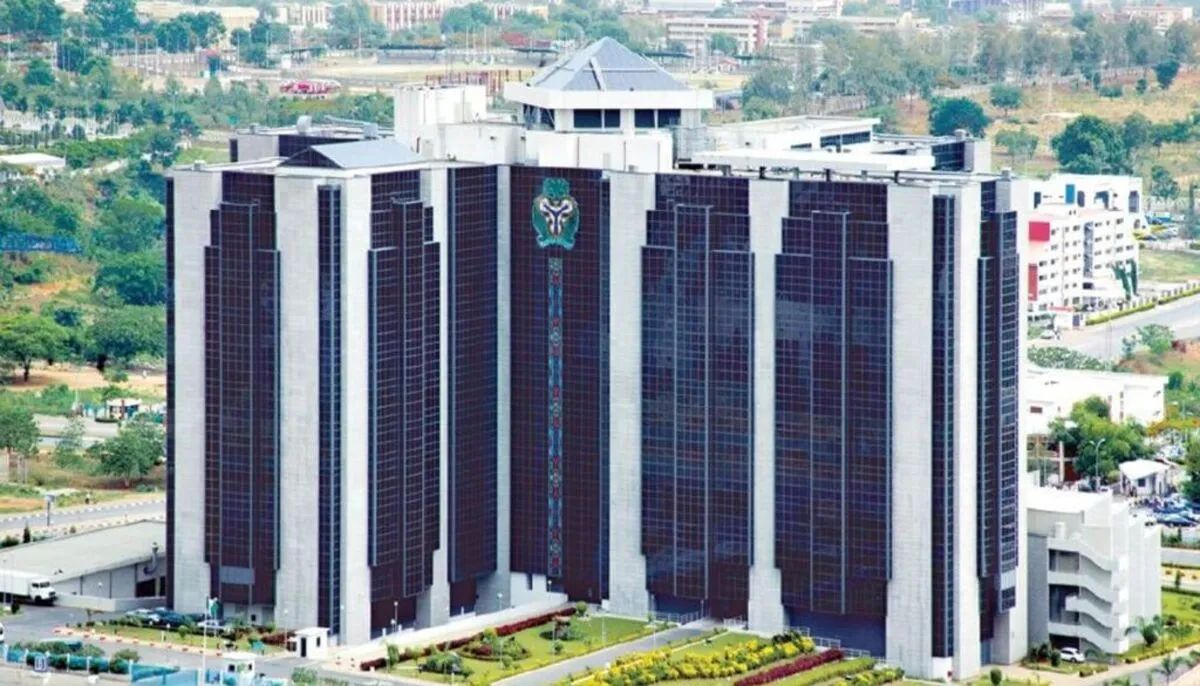
Nigerian banks reported increased credit availability and stronger loan demand across secured, unsecured and corporate lending categories in the third quarter of 2026, according to the Central Bank of Nigeria (CBN).
The findings are contained in the CBN’s Q3 2026 Credit Conditions Survey, which also showed an increase in loan approval rates and changes in lending-rate spreads relative to the Monetary Policy Rate (MPR).
The survey further examined the factors driving demand for different loan categories and the direction of default rates during the quarter.
CBN reports stronger loan demand
Banks expanded credit availability across secured, unsecured and corporate lending in Q3 2026, citing different factors behind the increase in each category.
Also Read
For secured loans, the key drivers were changing economic outlook, liquidity positions and market share objectives, while the expansion in unsecured credit was supported by market share objectives, changing economic outlook, and the cost and availability of funds.
Demand also increased across the three broad lending categories, although some individual loan types recorded declines.
The survey’s demand indices showed the following movements:
- Secured lending: The index stood at 25.6. Consumer loans to households recorded 42.9, credit for house purchases 28.0 and mortgage or re-mortgage lending 12.0. Lending to small businesses by households declined, with an index of -19.7.
- Unsecured lending: The index was 7.2. Overdrafts and personal loans to households increased, recording 24.7, while credit card lending declined to -20.0.
- Corporate lending: The index stood at 18.9. Lending to small businesses, medium-sized private non-financial corporations (PNFCs) and large PNFCs recorded 22.6, 18.3 and 20.7, respectively. Credit to other financial corporations (OFCs) declined to -16.2.
Banks also identified inventory finance, balance sheet restructuring and capital investments as the main factors supporting increased demand for corporate loans, with indices of 18.6, 2.5 and 0.7, respectively.
Loan approvals and lending rates
The CBN survey showed that the proportion of loan approvals increased across secured, unsecured and corporate lending compared with the previous quarter.
However, the spread between lending rates and the MPR widened in several categories during Q3 2026, suggesting a growing divergence between the cost of borrowing and the benchmark policy rate.
The spread on secured lending widened to -14.5 index points. Corporate lending also recorded wider spreads across the different borrower categories:
- Medium-sized PNFCs: -13.6 index points.
- OFCs: -12.2 index points.
- Small businesses: -11.0 index points.
- Large PNFCs: -10.3 index points.
In contrast, the spread between unsecured lending rates and the MPR remained unchanged during the quarter.
The survey also reported lower default rates across secured, unsecured and corporate lending categories. These included loans to small businesses, medium-sized and large PNFCs, and OFCs.
CBN rate cut and private sector credit
The survey findings come amid changes in monetary policy and a decline in the value of credit outstanding to Nigeria’s private sector.
Nairametrics earlier reported that demand for corporate and secured loans increased in the second quarter of 2026 as banks expanded credit availability and recorded lower default rates across major lending categories.
However, credit to the private sector fell to N83.93 trillion in September 2026, down from N84.47 trillion in August.
The decline followed the CBN’s decision to reduce the benchmark MPR by 350 basis points to 23% at its 307th Monetary Policy Committee meeting in September 2026.
The MPC also adjusted the interest rate corridor around the MPR to +50 and -300 basis points, while retaining key reserve requirements:
- Cash Reserve Requirement for commercial banks remained at 45%.
- Cash Reserve Requirement for merchant banks stayed at 16%.
- The requirement on non-Treasury Single Account public-sector deposits remained at 75%.
Credit conditions have remained a concern for businesses, particularly manufacturers. The Manufacturers Association of Nigeria previously reported that bank credit to the manufacturing sector fell by N1.92 trillion, from N8.53 trillion in December 2024 to N6.61 trillion in December 2025.
The Centre for the Promotion of Private Enterprise has also cautioned the CBN against further interest rate increases, arguing that additional monetary tightening could weaken economic recovery and increase pressure on businesses and households.