 Follow Us on Google Discover
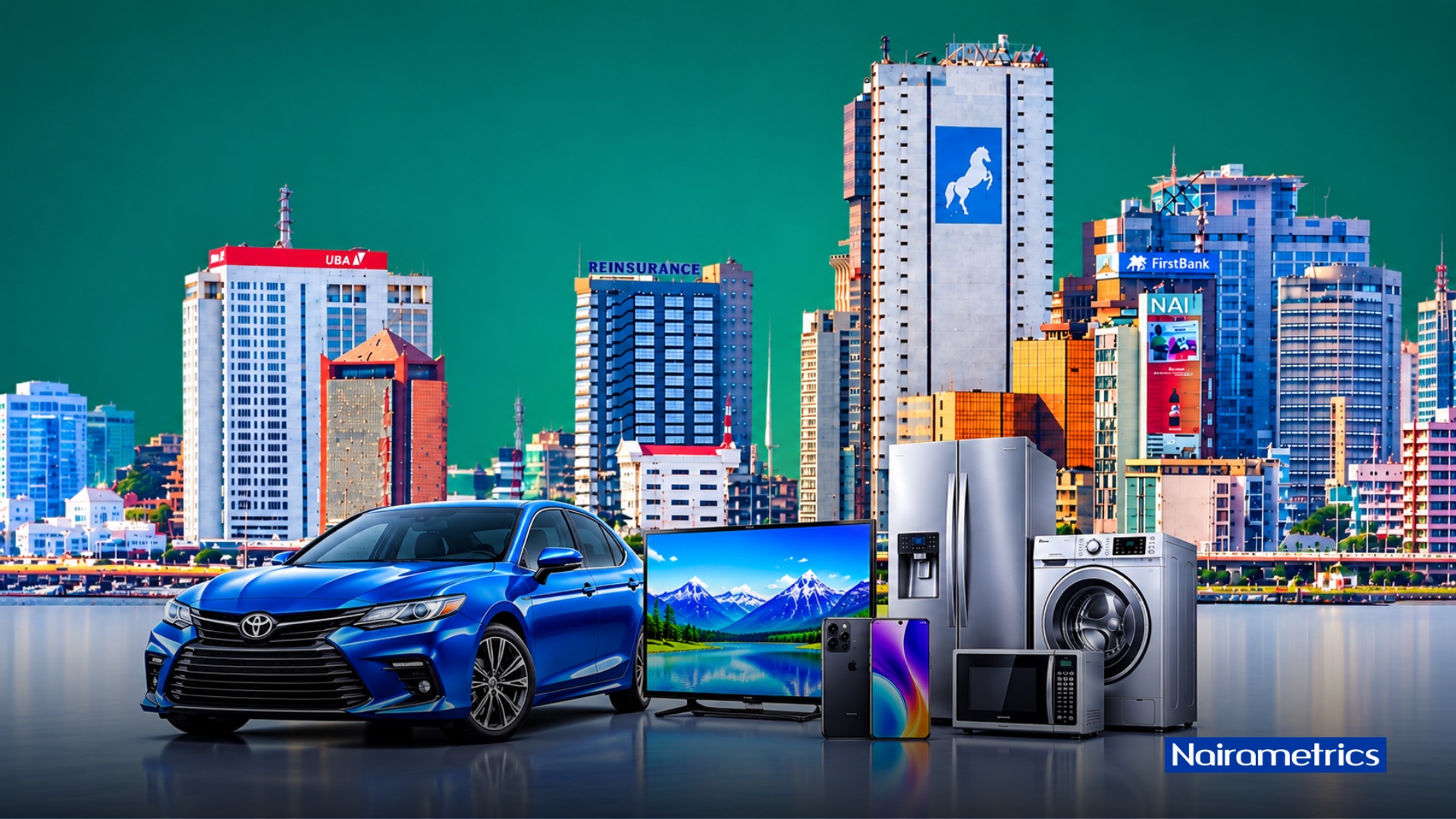
Nigerian banks are stepping up consumer credit schemes through partnerships with automobile dealers and electronics retailers, offering loans to finance vehicles, smartphones and household appliances.
A review of recent announcements by Nairametrics shows that Access Bank, United Bank for Africa (UBA), FirstBank, Stanbic IBTC Bank and Keystone Bank have introduced or expanded financing arrangements in 2026.
However, an analysis of their nine-month 2026 financial results suggests that these initiatives have yet to significantly change the composition of their loan books, which remain heavily concentrated in corporate lending.
Retail lending trails corporate loans
Retail lending continues to account for a relatively small share of Nigerian banks’ loan portfolios, according to a Nairametrics review of their nine-month 2026 financial results. Among banks that disclosed lending by customer segment, Stanbic IBTC recorded one of the more notable increases in retail exposure.
Also Read
- Loans to Stanbic IBTC’s Personal and Private Banking customers rose by 16.9% to N250.2 billion from December 2025, increasing the segment’s share of gross loans from 8.7% to 9.3%, while mortgage lending nearly doubled to N77.8 billion.
- Sterling Bank’s retail loan portfolio rose 30.7% to N160.3 billion, but corporate lending expanded at a similar pace, leaving retail’s contribution largely unchanged at approximately 8.4%.
- At Access Holdings, loans to individuals stood at N1.88 trillion, representing 12.8% of gross customer loans, although a comparable December 2025 breakdown was unavailable.
- Zenith Bank, GTCO and First HoldCo did not provide customer-type loan breakdowns in their interim financial statements, limiting broader industry comparisons.
However, retail loan classifications can include mortgages and other personal banking facilities, meaning these balances do not necessarily represent loans originated through the recently announced schemes.
Banks expand vehicle and electronics financing
Access Bank and Stallion Group announced a vehicle financing partnership on November 10, 2026, offering eligible customers loans covering up to 90% of vehicle purchase costs.
The facility requires an initial contribution of as little as 10% and offers repayment periods exceeding four years, following Access Bank’s AutoFest initiative in June.
- UBA’s August partnership with Mikano Motors requires customers to contribute 30%, while the bank finances 70% at a reported interest rate of 23%, with repayment over 36 months.
- Stanbic IBTC’s July partnership with Carloha Nigeria offers vehicle financing for up to 48 months, while Keystone Bank’s arrangement with Kewalram Nigeria covers conventional, hybrid and electric vehicles, with potential discounts of up to 15%.
- FirstBank’s October partnership with Pointek allows eligible customers to purchase smartphones, laptops and household appliances through its FirstEase Buy Now, Pay Later platform, spreading payments over six months at a reported interest rate of 3%.
- Credit Direct, FCMB Group’s consumer finance subsidiary, partnered with vivo in April to finance up to 80% of smartphone purchase costs over six months, with plans to finance more than 200,000 devices in the first year.
These arrangements reflect the growing use of dealership networks, retailers and specialist consumer finance platforms to expand access to credit.
What you should know
The growing number of consumer financing partnerships comes amid broader efforts to improve access to credit in Nigeria.
- The Federal Government has also sought to stimulate consumer lending through the Nigerian Consumer Credit Corporation (CREDICORP), established to expand access to financing for eligible Nigerians.
- In January 2025, Ecobank partnered with CREDICORP to provide consumer and asset financing covering electronics, solar systems and other household needs.
- However, recent partnership announcements provide limited information about actual loan disbursements, approval rates and repayment performance.
- With lending rates remaining elevated, total repayment obligations could still be substantial, particularly for customers purchasing vehicles over three or four years.
Banks must also manage risks associated with borrower defaults, vehicle depreciation, asset recovery and customers’ ability to sustain repayments.
The extent to which these partnerships translate into higher consumer lending volumes will therefore depend on borrowing costs, customer eligibility, loan approval rates and repayment performance.