Follow Us on Google Discover
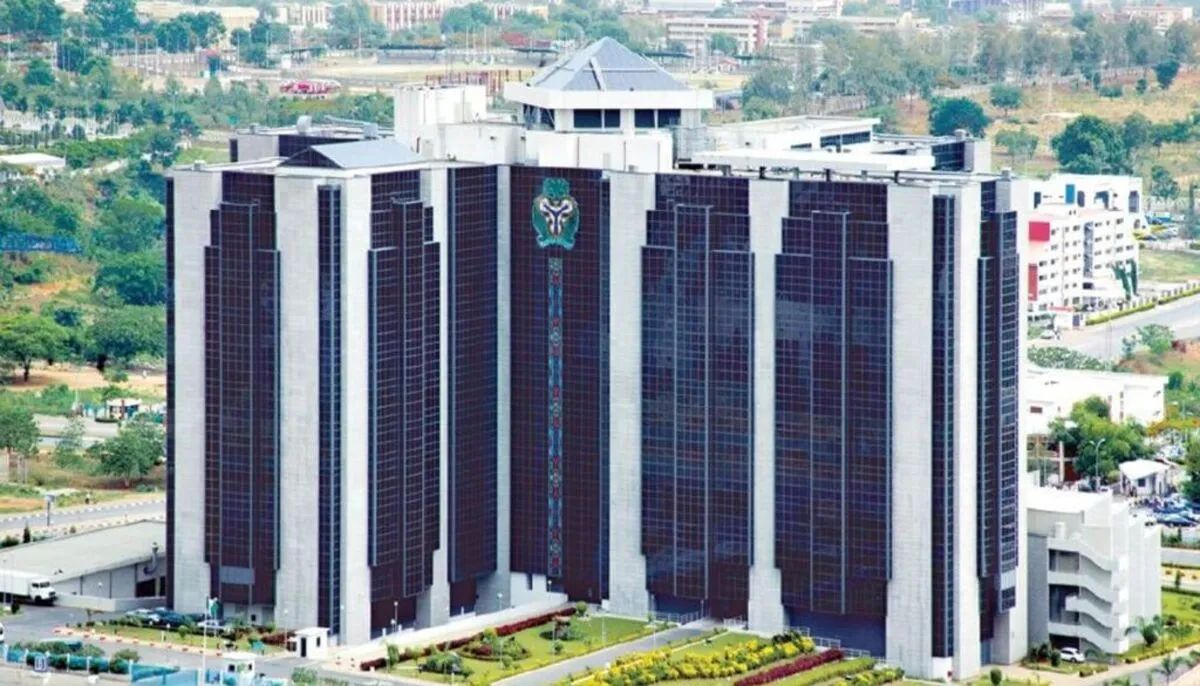
Credit to Nigeria’s private sector fell to N83.93 trillion in September 2026, down from N84.47 trillion in August, despite remaining higher than the N72.53 trillion recorded a year earlier.
This is according to data released by the Central Bank of Nigeria (CBN).
The monthly decline of approximately N537.6 billion represents a fall of 0.64%, while the year-on-year increase amounts to about 15.7%.
The figures come amid concerns about access to affordable financing for businesses and households, following a period of tight monetary policy and reported declines in lending to manufacturing and consumer borrowers.
Also Read
How private credit moved
CBN data showed that credit to the private sector rose from N75.83 trillion in December 2025 to N93.74 trillion in January 2026.
- It rose further to N94.61 trillion in February before falling to N80.73 trillion in April.
- Lending recovered to N83.60 trillion in July and N84.47 trillion in August before declining in September.
The latest figures show that credit remained above its year-earlier level but fell slightly between August and September.
The data do not, on their own, explain whether the monthly decline reflects weaker demand for loans, tighter lending conditions, repayments or other factors.
CBN interest rate cuts and lending conditions
The credit figures follow the CBN’s decision to cut its benchmark Monetary Policy Rate (MPR) by 350 basis points to 23% at its 307th Monetary Policy Committee meeting in September 2026. The move was described as the largest reduction in the benchmark rate since December 2006.
The MPC also adjusted the corridor around the MPR to +50 and -300 basis points, while retaining key reserve requirements.
- The Cash Reserve Requirement (CRR) for commercial banks remained at 45%.
- The CRR for merchant banks stayed at 16%.
- The requirement on non-Treasury Single Account (TSA) public-sector deposits remained at 75%.
At its July 2026 meeting, the MPC had retained the MPR at 26.50%, as previously reported by Nairametrics.
Although a lower benchmark rate can reduce borrowing costs over time, the effect on actual lending depends on banks’ funding costs, risk assessments and borrowers’ ability to repay.
Manufacturing and consumer lending concerns
Credit conditions have also drawn attention from business groups, particularly in manufacturing and consumer finance.
- The Manufacturers Association of Nigeria (MAN) previously reported that bank credit to the manufacturing sector declined by N1.92 trillion, from N8.53 trillion in December 2024 to N6.61 trillion in December 2025.
- Consumer credit also weakened. The CBN reported that outstanding consumer credit fell by 19.89% to N3.78 trillion in 2025, from N4.72 trillion in the preceding period. It was the first annual decline since December 2019.
- The Centre for the Promotion of Private Enterprise (CPPE) has also cautioned the CBN against further interest-rate hikes, arguing that tighter monetary conditions could put additional pressure on businesses and households.
For companies, access to credit influences working capital, equipment purchases, expansion and investment decisions. The September figures therefore highlight the importance of tracking both the overall stock of private sector credit and lending trends across individual sectors.
Meanwhile, Nigeria’s broad money supply rose to N146.6 trillion in September 2026, up approximately N7.51 trillion from August, according to a separate Nairametrics report.