 Follow Us on Google Discover
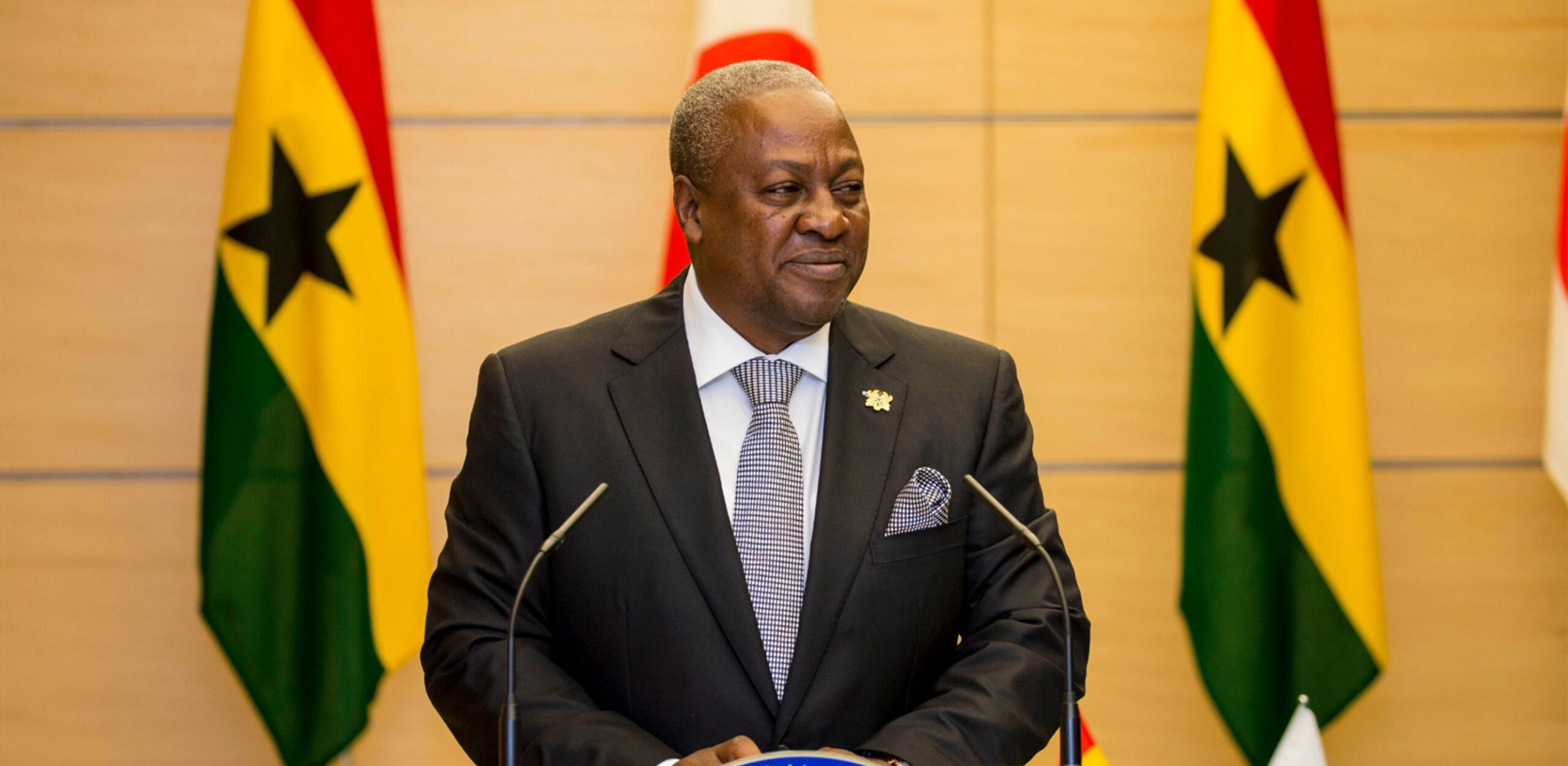
Ghana has unveiled plans to invest $10 billion over the next four years in job-intensive sectors as it seeks to accelerate economic growth to 8% by 2030, marking a shift from fiscal austerity to an investment-led growth strategy following its 2022 debt default.
Finance Minister Cassiel Ato Forson disclosed this on Thursday while presenting the government’s annual budget to lawmakers, outlining the New Economy Program as the framework for driving the country’s economic expansion.
Under the projections, Ghana’s economy is expected to grow by 5.7% in 2026 and 5.2% in 2027 before accelerating to 8% in 2030.
The latest growth ambition represents a significant departure from the government’s previous two budgets, which targeted economic growth of 4% and 4.8%, respectively, as authorities prioritised fiscal consolidation and debt sustainability following the country’s debt crisis.
Also Read
Ghana targets job-intensive sectors for investment
The New Economy Program will channel investments into sectors expected to generate employment and strengthen domestic production, including agribusiness, infrastructure, critical minerals, textiles, tourism and pharmaceuticals.
As part of the initiative, the government plans to commit $200 million to a nuclear-readiness programme between January and December 2028.
The programme is expected to support Ghana’s preparations for nuclear energy development as the country explores options to strengthen its long-term energy capacity.
Ghana targets full domestic processing of cocoa, minerals
The government is also seeking to deepen local value addition by reducing its dependence on exports of unprocessed commodities.
- Ghana, the world’s second-largest cocoa producer, plans to process at least 50% of its cocoa locally by the end of 2028, with the target rising to 100% by 2030.
- The country also intends to process all its manganese and bauxite domestically by the end of 2030 and prohibit exports of the raw minerals.
The targets form part of a broader strategy to retain more value within the domestic economy, expand industrial capacity and create employment opportunities through local processing.
Government to ease fiscal targets to create investment room
Forson said the government would gradually reduce its primary budget surplus target from 1.5% of gross domestic product to 0.5% over the four years to create additional fiscal room for investment.
- “We will reduce the primary surplus from 1.5% of GDP to 0.5% of GDP,” he told lawmakers.
The adjustment signals a recalibration of Ghana’s fiscal policy after years of spending restraint aimed at restoring public finances following the 2022 debt default.
The new strategy seeks to balance fiscal sustainability with increased public investment to accelerate economic expansion and support job creation.
Ghana’s inflation rises to 5.5%
Earlier this month, Nairametrics reported that Ghana’s annual inflation rate increased to an 11-month high of 5.5% in October 2026, potentially strengthening the case for the central bank to maintain its policy rate at the next meeting.
The increase came amid pressure from a weaker cedi and higher prices in some non-food categories, even as food inflation slowed.
The Bank of Ghana has kept its policy rate at 14% since March while assessing price pressures linked partly to the Iran war and its impact on fuel and fertiliser supplies.