Follow Us on Google Discover
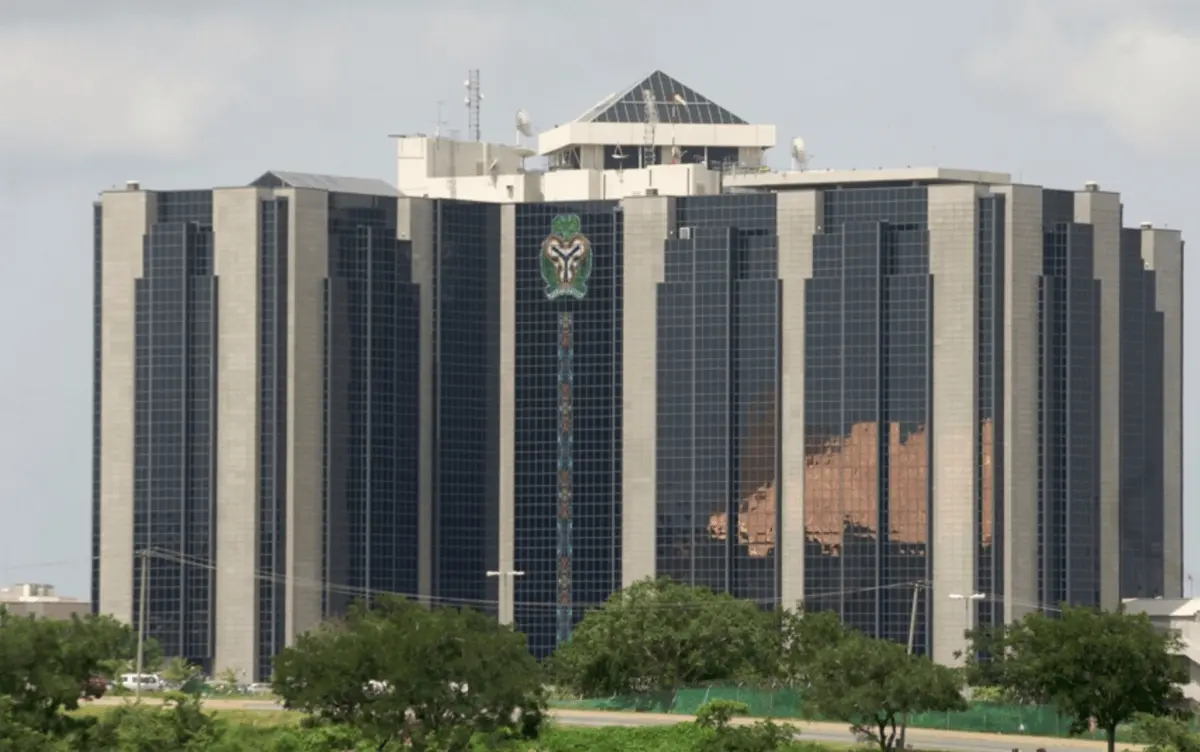
In October the Central Bank of Nigeria sold N6.182 trillion in new Open Market Operation (OMO) bills, while N9.051 trillion in older bills matured. The difference, about N2.87 trillion, flowed back to the banks.
September went the other way. The CBN sold N17.51 trillion in OMO bills that month, while N10.89 trillion matured. That took about N6.62 trillion out of the banking system. So September drained cash, and October returned a large part of it.
What is OMO?
OMO is a tool the CBN uses to manage how much naira the banks hold. When the CBN sells short-term bills to banks, cash leaves the system. When those bills mature and the CBN pays banks back, cash returns. In October, more bills matured than were sold, so cash came back.
More cash, same interest rates
Banking system liquidity, the spare cash banks hold, rose 56.75 per cent to N7.373 trillion in October, up from N4.703 trillion in September. The Financial Markets Dealers Association reported this. That is about N2.67 trillion more cash in one month.
Also Read
Even so, the rates banks charge each other for overnight loans hardly changed. One stayed at 20 per cent. The other fell only slightly, to 20.38 per cent. The CBN’s benchmark rate is still 23 per cent after September’s cut.
In simple terms, banks have more money, but borrowing still costs about the same.
Why Treasury bill yields fell
The average return on Treasury bills fell to 17.88 per cent on Monday. Returns on 91-day, 182-day and 364-day bills all dipped slightly, to between 15.40 and 15.80 per cent.
The main reason is supply. Last week the Debt Management Office offered ₦800 billion in Treasury bills. Investors asked for N1.91 trillion. The DMO sold only N71.16 billion, about 9 per cent of what it offered.
When many buyers chase a few bills, prices rise and returns fall. Banks and funds have spare cash and few safe places to put it. Lower Treasury bill returns tell us that. They do not tell us that business loans have become cheaper.
November will tell us more
The Financial Markets Dealers Association expects about N13.79 trillion to flow into the system in November from maturing securities and government payments. That is almost twice the cash banks held at the end of October.
The CBN has two choices. It can sell new OMO bills to pull that cash back out, or it can leave more of it with the banks.
If OMO sales climb back toward September’s level, October was only a short break. If more bills keep maturing than the CBN sells, banks will hold even more cash and Treasury bill returns may keep falling.
What this means for households and small businesses
More cash in the banks does not mean inflation is under control. It also does not mean your overdraft or business loan will get cheaper this week.
It takes time for spare bank cash to turn into cheaper loans for the public. Banks still choose between lending to customers and buying government bills. Loan rates and lending rules change slowly, on their own timetable.
Daily costs remain high. Petrol in Lagos sells for about N1,370 a litre after recent depot price increases. A bank with spare cash and a family with a tight budget can exist at the same time.
Three things to watch
1. November OMO sales: will the CBN pull back the N13.79 trillion inflow, or let it stay in the system?
2. Overnight and loan rates: will they fall as cash rises, or stay near 20 per cent while only Treasury bill returns ease?
3. Treasury bill sales: if the DMO keeps selling only a small share of what it offers, lower returns will mostly reflect a shortage of bills.
In closing
In October the CBN took less cash out of the banks, and about N2.87 trillion went back. Bank cash jumped, and Treasury bill returns fell because there were too few bills for too much money. That change is real. Cheaper loans and lower inflation still need proof. November’s OMO sales and the overnight rate will show whether extra bank cash becomes cheaper money for households and businesses.
Follow me on X @FinPlanKaluAja1