Follow Us on Google Discover
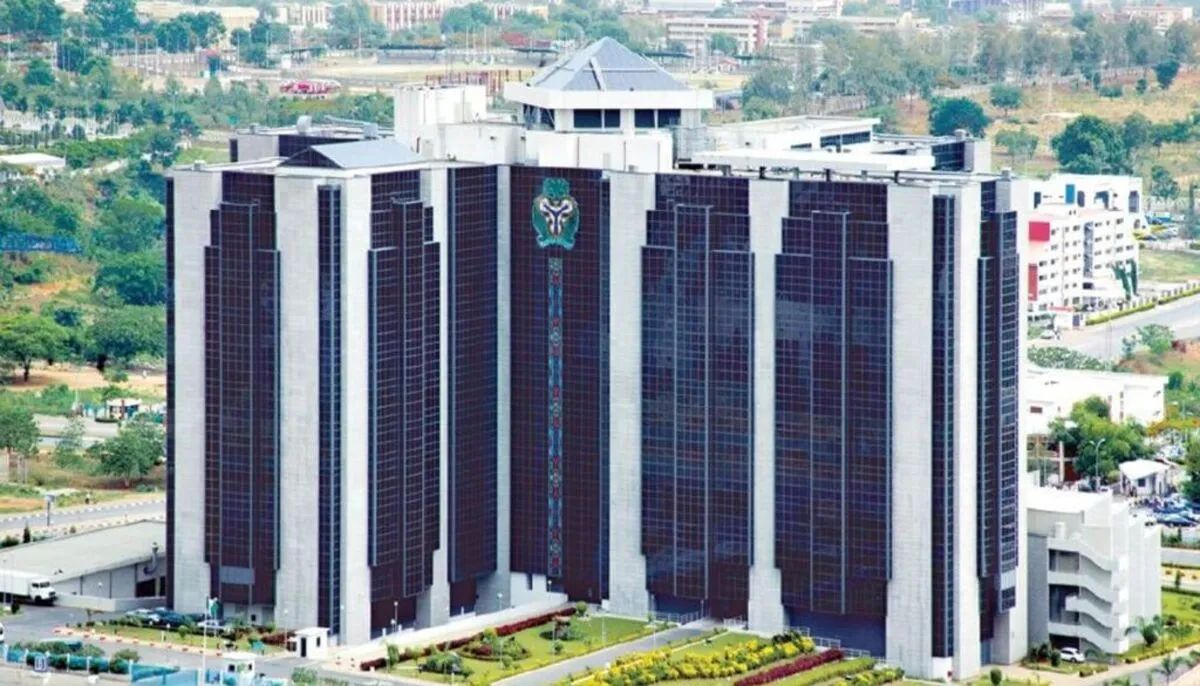
The Central Bank of Nigeria (CBN) is digitalising fiscal data collection across the 36 states, the Federal Capital Territory (FCT) and 774 Local Government Areas (LGAs) to improve the accuracy and timeliness of public finance information.
The initiative, being implemented through the Bank’s Statistics Department, is designed to replace the largely manual Sub-National Fiscal Survey reporting process with a digital platform that supports more frequent and reliable data submissions.
Speaking at a stakeholder engagement on the survey in Abeokuta, Ogun State, the Director of the CBN Statistics Department, Dr Usman Moses Okpanachi, said the programme would strengthen the link between fiscal transactions recorded by Ministries, Departments and Agencies (MDAs), local governments and evidence-based policymaking.
CBN replaces manual fiscal data collection
Okpanachi said reliable fiscal statistics were essential for assessing government revenue, expenditure patterns, financing requirements and fiscal pressures. Such information also helps policymakers understand public-sector activity and its implications for aggregate demand, liquidity, borrowing conditions and inflation.
Also Read
He noted that the existing twice-yearly survey, which relied largely on manual reporting, faced challenges involving submission timelines, logistics, data validation and processing.
The digital platform is expected to address these limitations through standardised data entry, improved validation, simpler submissions and traceable corrections. It will also support a transition to more frequent quarterly reporting.
The CBN director stressed that technology would complement, rather than replace, proper record-keeping, reconciliation and professional judgement.
He urged state and local government authorities to ensure prompt submissions, validate and reconcile their records, and appoint designated focal officers to maintain continuity in the reporting process.
Okpanachi said the programme’s success would be assessed through more complete and consistent returns, faster submissions and improved data validation. He also assured stakeholders of continued technical and operational support from the CBN’s branches and Statistics Department.
States begin digital survey training
The nationwide engagement began on October 26, 2026, and is scheduled to cover the remaining states by December 4, with the FCT sessions planned for December 9 and 10.
The practical sessions are designed to train state and local government fiscal officers on using the digital questionnaire, meeting validation requirements and carrying out submission and correction procedures.
As of November 6, 2026, the exercise had covered 16 states and their local governments. The CBN reported strong government support, with attendance reaching 100% in almost all the states visited.
Following the training, participating officers are expected to share the knowledge within their respective institutions and begin submitting fiscal returns through the digital platform.
The Statistics Department will then consolidate the implementation outcomes into a national report.
Better fiscal data supports policy coordination
The digitalisation programme forms part of the CBN’s broader data architecture and transformation agenda. It is expected to provide more reliable information for state and local government planning, budgeting and policy evaluation, while strengthening the data available for monetary, financial and fiscal policy decisions.
- In September, the Federal Government and the CBN signed a Memorandum of Understanding to formalise coordination between fiscal and monetary authorities, with the aim of improving macroeconomic management and policy consistency.
The development followed calls by the International Monetary Fund (IMF) for Nigeria and other major African economies to deepen reforms in fiscal policy, monetary and financial sectors, and governance to strengthen macroeconomic stability and support more inclusive growth.