Follow Us on Google Discover
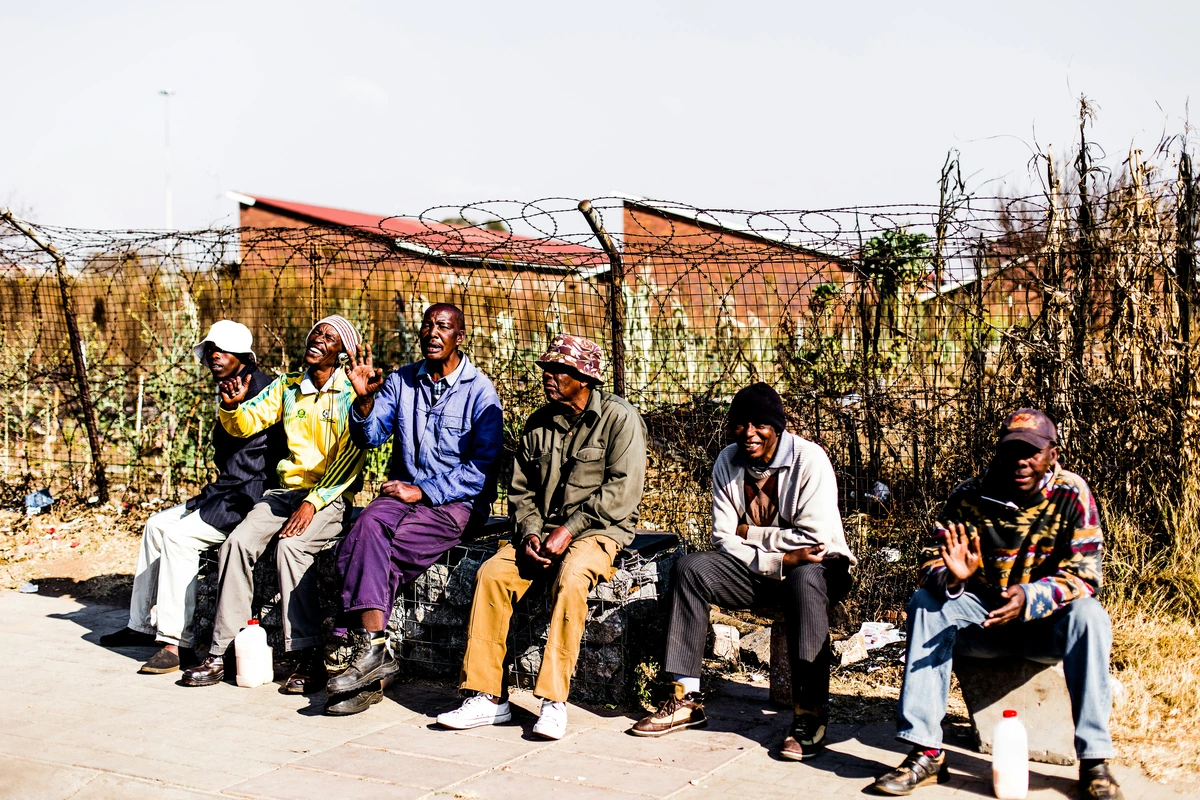
South Africa’s unemployment rate increased to 33.7% in the third quarter of 2026, with the number of unemployed people rising to 8.6 million, according to Statistics South Africa.
The agency’s latest Quarterly Labour Force Survey showed that the unemployment rate increased by 0.1 percentage point from the second quarter, despite a rise in employment during the period.
The figures highlight the continuing pressure on South Africa’s labour market, as employment gains in the formal sector were partly offset by losses in informal businesses and private households.
South Africa unemployment reaches 33.7%
Statistics South Africa reported that the working-age population increased by 117,000, or 0.3%, between the second and third quarters of 2026. The number of employed people also rose by 101,000 to 16.8 million, while unemployment increased by 97,000 to 8.6 million.
Also Read
- The labour force expanded by 198,000, or 0.8%, to reflect the increase in both employment and unemployment.
- The labour force participation rate increased by 0.3 percentage point to 59.9%.
- The employment absorption rate rose by 0.1 percentage point to 39.7%.
- The number of people outside the labour force declined by 82,000 to 17 million.
- The potential labour force increased by 69,000, driven mainly by a rise in discouraged work-seekers.
The agency also reported that South Africa’s broader labour underutilisation rate remained at 46.3%, unchanged from the previous quarter but 1.4 percentage points higher than in the third quarter of 2025.
Other measures showed that the combined unemployment and time-related underemployment rate stood at 36.5%, while the combined unemployment and potential labour force rate was 44%.
Finance leads quarterly job gains
Employment growth was concentrated in selected industries, with the Finance sector recording the largest increase between the second and third quarters of 2026.
- The sector added 111,000 jobs, followed by Manufacturing with 33,000, Mining with 31,000 and Community and social services with 20,000.
- However, employment declined in several other industries. Private households recorded the largest loss, with 68,000 jobs, followed by Agriculture with 34,000 and Construction with 8,000.
By sector, formal employment increased by 268,000, while informal employment declined by 98,000 and employment in private households fell by 68,000.
- The year-on-year comparison presents a weaker picture. Total employment declined by 215,000, or 1.3%, compared with the third quarter of 2025, even as unemployment increased by 571,000, or 7.1%.
- The Community and social services industry recorded the largest annual employment decline, losing 197,000 jobs. Private households lost 87,000, Construction 44,000 and Trade 33,000.
- Finance recorded the largest annual gain, adding 132,000 jobs, followed by Mining with 32,000 and Transport with 11,000.
Statistics South Africa also reported mixed movements across occupational categories. Sales and services occupations recorded the largest quarterly increase, adding 131,000 jobs, followed by Managers with 78,000 and Professionals with 36,000.
By contrast, Technician occupations lost 92,000 jobs, while Elementary occupations declined by 32,000 and Domestic worker positions fell by 31,000.
Nigeria awaits fresh unemployment data
Meanwhile, Nigeria’s National Bureau of Statistics (NBS) is yet to publish its latest Nigeria Labour Force Survey.
The last labour market data released by the agency in December 2024 showed that Nigeria’s unemployment rate declined to 4.3% in the second quarter of 2024.
This reversed three consecutive quarterly increases that had pushed the unemployment rate to 5.3% in the first quarter of 2024.