Follow Us on Google Discover
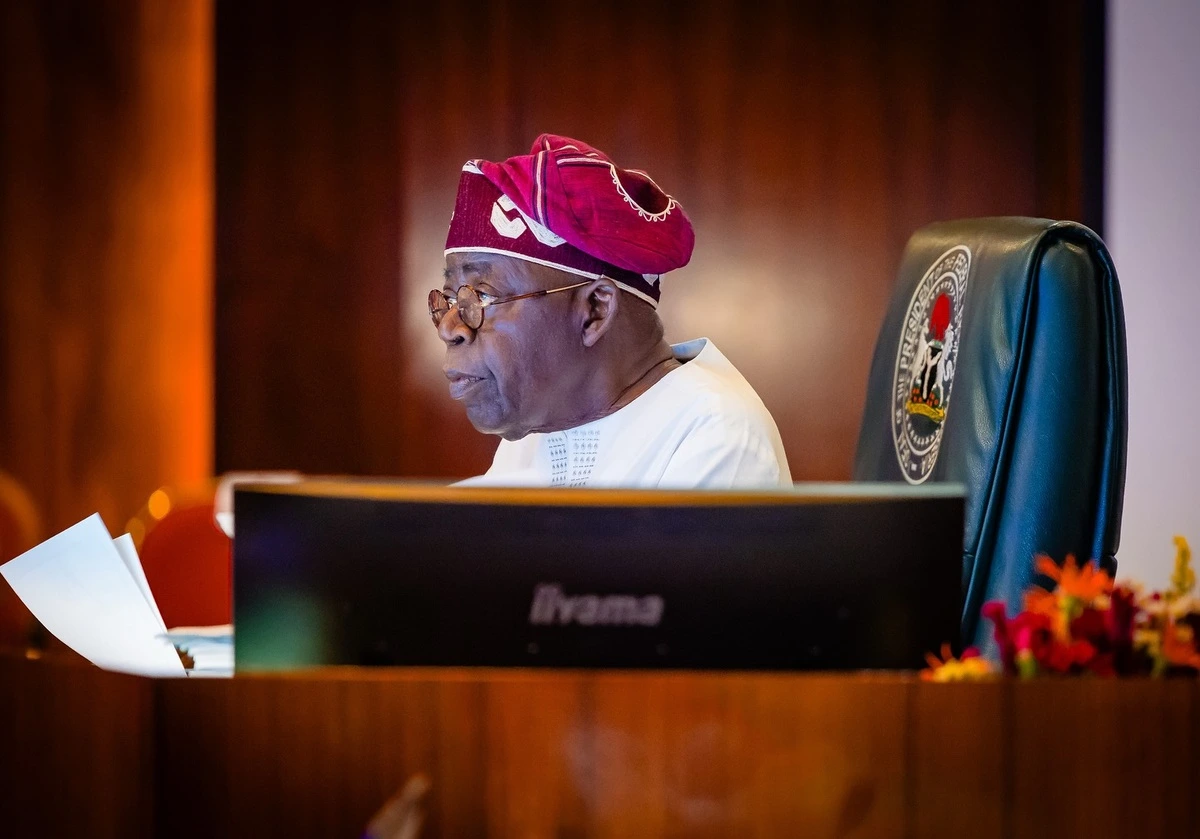
President Bola Tinubu has pledged to reduce inflation to 8% or lower, increase average peak electricity generation to 7,500 megawatts and boost food supply if re-elected in January.
The commitments are contained in a campaign plan released by his ruling All Progressives Congress (APC), outlining measures aimed at easing the cost of living and improving household purchasing power.
High prices remain a major issue ahead of the January 16 election, with inflation staying in double digits since Tinubu assumed office in 2023.
Price pressures increased following the removal of the petrol subsidy and the liberalisation of the foreign exchange market, policies introduced as part of efforts to improve public finances and attract investment.
Also Read
Tinubu rolls out relief measures
The APC campaign plan proposes expanding food storage capacity, halving post-harvest losses and increasing the domestic processing of agricultural products. These measures are intended to address food-price inflation, which has particularly affected lower-income households.
- One of Tinubu’s main rivals, Atiku Abubakar, has pledged to restore targeted fuel subsidies and tackle hunger. However, his eligibility to contest the election has been called into question following a court ruling.
The campaign promises also build on measures introduced by the administration ahead of the election, including cash transfers of N50,000 to vulnerable households and temporary transport relief worth N70,000 for federal workers.
The government also announced a fuel subsidy of N66 per litre in October, although the temporary measure has since been allowed to lapse.
- Earlier, Finance Minister Taiwo Oyedele said the Federal Government is targeting single-digit inflation before the end of 2027, with the aim of creating conditions for lower interest rates and faster economic growth.
The inflation target follows a period of easing price pressures, with Nigeria’s headline inflation rate falling to 14.63% in September 2026 from 15.39% in August, marking the fourth consecutive monthly decline.
Tinubu’s reforms face scrutiny
Tinubu’s economic policies remain among the most debated issues in Nigeria’s economic landscape.
- Supporters argue that the reforms have improved fiscal stability and strengthened macroeconomic indicators, while critics say the adjustment costs have placed significant pressure on households and businesses.
- Despite stronger revenue performance, Nigeria’s public debt and debt-servicing obligations have increased under the current administration.
- According to the Debt Management Office (DMO), Nigeria’s total public debt stood at N87.38 trillion as of June 30, 2023, shortly after Tinubu assumed office.
By December 31, 2025, the figure had risen to N159.28 trillion, reflecting increased borrowing, exchange rate adjustments and the securitisation of legacy obligations.
The campaign plan therefore places inflation reduction, electricity supply and food availability among its priorities as the administration seeks another mandate, against the backdrop of continuing debate over the economic impact of its reforms.