Follow Us on Google Discover
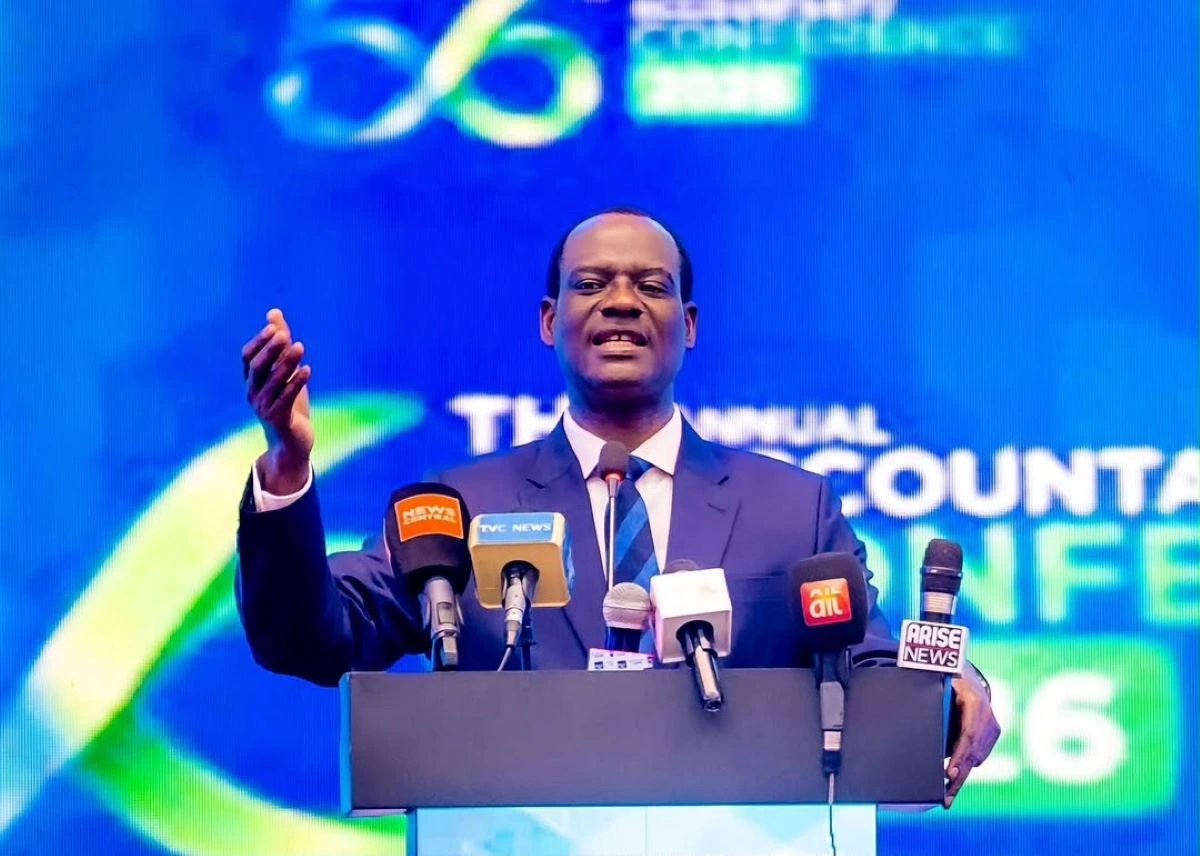
Finance Minister Taiwo Oyedele says the Federal Government is targeting single-digit inflation before the end of 2027, with the aim of creating conditions for lower interest rates and faster economic growth.
He made the statement at the 32nd Nigerian Economic Summit, held on Monday at Transcorp Hilton in Abuja, where he defended the benefits of the government’s economic reforms.
Oyedele said the savings from foreign exchange and petrol subsidy reforms had been channelled into measures intended to support ordinary Nigerians, including salary increases, pension arrears payments and subsidised credit for small businesses.
Why Nigeria wants single-digit inflation
Oyedele said the government wanted to reduce inflation to single digits before the end of next year, arguing that lower inflation could help bring down borrowing costs and support economic activity.
Also Read
- The minister said “Before the end of next year, we want to low, single digit. So that it can create the condition for single-digit interest rate.”
- “If we are growing at 4.43%, borrowing at close to 30%, imagine what is possible when you borrow at single digit?” he added.
The minister argued that the impact of the reforms should not be assessed solely through economic growth, noting that some benefits were already reaching households and businesses.
- He said that as of May 2023, young Nigerians faced difficulties paying for online applications needed to earn money, even when the cost was as low as $20.
- He said the government had used savings from foreign exchange and subsidy reforms to fund salary increases and wage adjustments.
- He added that the government had paid pension arrears and subsidised credit for small businesses.
Oyedele maintained that these measures showed that the reforms were already benefiting Nigerians, even as the government continued to focus on accelerating economic growth.
Lower inflation could ease borrowing costs
The inflation target follows a period of easing price pressures, with Nigeria’s headline inflation rate falling to 14.63% in September 2026 from 15.39% in August, marking the fourth consecutive monthly decline.
The government’s focus on single-digit inflation reflects its argument that lower prices and borrowing costs could improve conditions for businesses and public finances.
- In an earlier report by Nairametrics, Oyedele said achieving single-digit inflation could save the government more than $10 billion, as lower inflation and interest rates would ease pressure on public finances.
- The minister’s latest remarks link the inflation target to the broader objective of making borrowing more affordable.
- If interest rates fall substantially, businesses could potentially access financing at lower costs, while the government could face less pressure from debt-servicing expenses.
However, the single-digit inflation target remains a government objective, and the statement does not specify the precise measures or timeline for bringing inflation down from its September 2026 level.