Follow Us on Google Discover
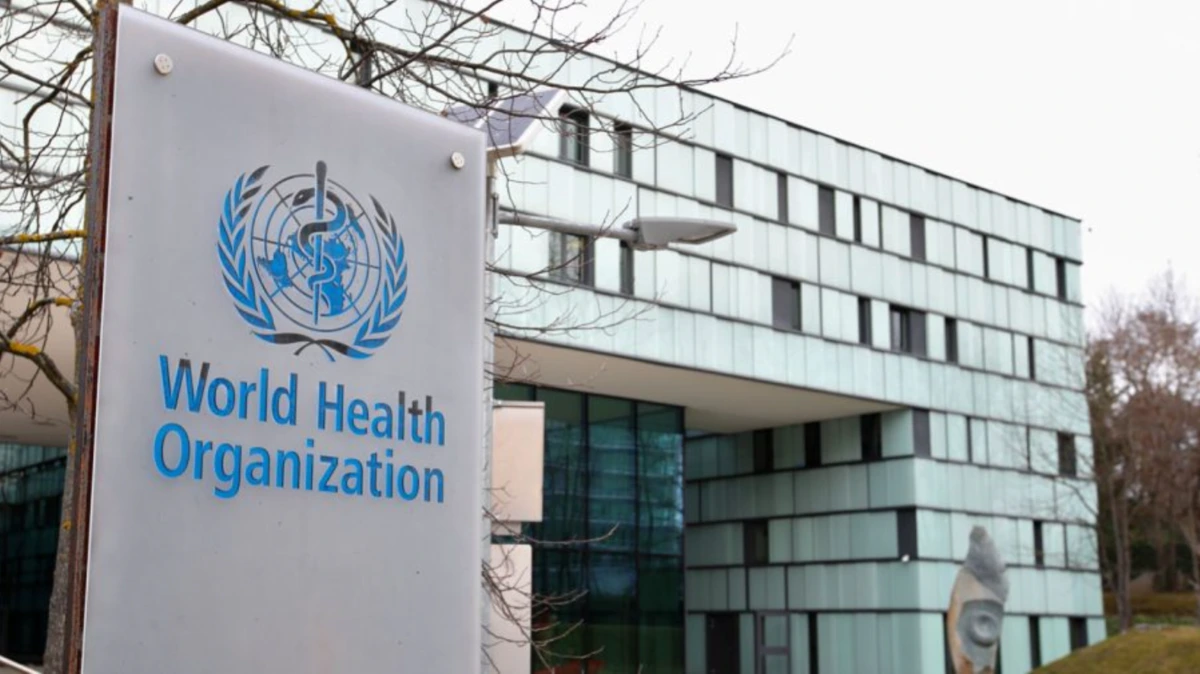
The World Health Organisation (WHO) has confirmed that Nigeria currently has no Ebola cases following the medical evacuation of the country’s index patient and her husband to Switzerland.
The WHO Regional Director for Africa, Professor Mohamed Janabi, disclosed this in a statement published on his official X account on Monday, October 26, 2026, while commending Nigerian health authorities for their response to the infection.
The announcement comes hours after the woman, who was diagnosed with the Bundibugyo strain of Ebola, was flown out of Abuja alongside her husband aboard a medical evacuation aircraft earlier on Monday.
WHO confirms Nigeria has zero cases
Janabi explained that the medical evacuation was authorised because both the patient and her husband hold Swiss citizenship, while the woman’s condition had improved sufficiently to permit her transfer under strict medical supervision.
Also Read
He noted that Nigerian healthcare professionals had successfully managed the patient through the most severe stage of the illness, stabilising her condition before arrangements were completed for her continued treatment in Switzerland.
- “With the evacuation of the patient and her husband, Nigeria currently has no Ebola cases,” Janabi stated.
However, the WHO official emphasised that the development did not mark the end of Nigeria’s public health response, as authorities must continue monitoring individuals who may have been exposed to the virus.
Nigeria will maintain surveillance of 52 identified contacts, while Swiss health authorities will assume responsibility for the patient’s ongoing medical care and monitor her husband, who was listed as the 53rd contact.
Janabi also acknowledged the contributions of medical professionals and emergency response teams involved in managing the infection.
- “On behalf of WHO and all partners, I warmly congratulate the Government of Nigeria, health workers, clinicians, emergency responders and all those involved in the response.”
He described the development as evidence of the capacity of African healthcare systems to manage complex public health emergencies through coordinated medical intervention.
Nigeria’s Ebola patient evacuated to Switzerland
Nigeria confirmed its first imported case of Bundibugyo Ebola virus disease on October 20, 2026, after laboratory investigations established that a 42-year-old woman who recently returned from Uganda had contracted the infection.
- According to the Nigeria Centre for Disease Control and Prevention (NCDC), the woman arrived in Abuja on October 3 after travelling through Addis Ababa and began experiencing symptoms four days later.
- Her condition subsequently worsened, leading to hospitalisation at a private medical facility in Abuja before laboratory tests confirmed the infection.
- The source of the infection remains uncertain, although genomic sequencing results released on October 23 showed closely related viral strains in the Nigerian patient and Kenya’s first confirmed Ebola patient.
Nairametrics reported earlier on Monday that the Coordinating Minister of Health and Social Welfare, Professor Muhammad Ali Pate, confirmed the patient’s evacuation to Switzerland.
Nigeria maintains surveillance of 52 contacts
Although Nigeria currently has no confirmed Ebola patients within its borders, health authorities are maintaining surveillance as the Bundibugyo outbreak continues to pose a threat across parts of Africa.
The outbreak, which originated in the Democratic Republic of Congo (DRC), has been associated with infections in Uganda, Kenya and Nigeria, raising concerns about cross-border transmission and possible undetected infections.
- Uganda, which recorded infections earlier in the outbreak, was declared Ebola-free in August 2026 after completing the required observation period without additional confirmed cases.
- Kenya has reported nine confirmed infections and two deaths, prompting increased contact tracing and surveillance to prevent further transmission.
- Before the patient’s evacuation, the NCDC identified 53 primary contacts, including healthcare personnel, household members and individuals involved in collecting medical samples.
The continued monitoring remains important because the patient’s evacuation does not establish that all potential transmission risks have been eliminated.