Follow Us on Google Discover
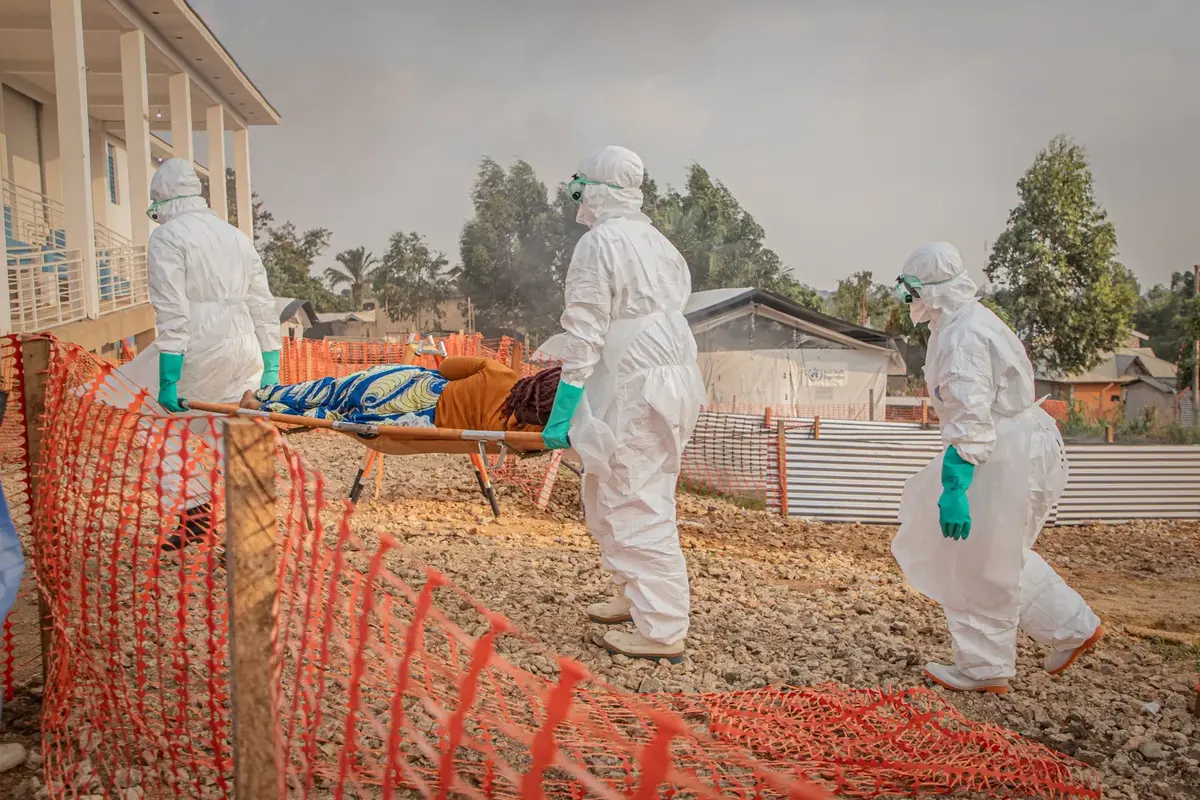
The Federal Government has confirmed an imported case of Ebola virus disease in the Federal Capital Territory (FCT), with the patient currently in isolation and health authorities tracing people who may have been exposed to the infection.
The Coordinating Minister of Health and Social Welfare, Professor Muhammad Ali Pate, disclosed this on Tuesday in Abuja, saying laboratory tests confirmed the infection in a woman who recently travelled to Nigeria from Uganda.
Pate said 44 contacts had been identified as authorities intensified surveillance at the country’s entry points and coordinated efforts to prevent further transmission.
Patient isolated as authorities trace contacts
Providing details of the confirmed case, Pate said the woman began experiencing symptoms on October 7, with her condition worsening four days later.
Also Read
According to a government statement, the woman arrived on an international flight from Uganda and was admitted to a private hospital, where she received care for several days before the diagnosis was confirmed.
- “The patient, a woman who recently arrived in Nigeria on an international flight from Uganda, was admitted to a private hospital… where she received care for several days before the diagnosis was confirmed,” the statement said.
- “She is currently in isolation and receiving medical care.”
Pate said the Ministry of Health, the FCT Health Secretariat, the Africa Centres for Disease Control and Prevention, and other partners were working together to contain the infection and prevent further spread.
He urged public and private health facilities to remain on high alert, stressing that health workers should maintain a high index of suspicion for possible cases and promptly report suspected infections to public health authorities.
The minister also advised Nigerians to remain calm and vigilant, practise good hygiene and watch for symptoms such as fever, weakness, headache and diarrhoea.
Government draws on Nigeria’s previous Ebola response
Pate said the government was drawing on Nigeria’s experience in containing the 2014 Ebola outbreak and the public health systems developed since then.
He said identified contacts were being traced and monitored, while the government would provide timely and transparent updates on the situation.
Nigerians who develop Ebola-like symptoms after travelling to affected countries are advised to contact public health authorities for guidance. The Nigeria Centre for Disease Control and Prevention (NCDC) can be reached on its toll-free line, 6232.
Regional Ebola outbreak raises importation concerns
The confirmation comes amid Ebola outbreaks in the Democratic Republic of the Congo (DRC) and the detection of cases in Kenya, raising concerns about the risk of the disease spreading across borders through international travel.
- Nairametrics reported on October 18 that Kenya had confirmed four additional Ebola cases, bringing its total to seven infections, including one death. Three of the new cases involved healthcare workers who had attended to the country’s first confirmed patient.
- Earlier, on October 6, Kenya confirmed its first Ebola case after a citizen who had returned from the Democratic Republic of the Congo tested positive and later died in Nairobi.
- Before the latest confirmation, the NCDC had heightened vigilance and reviewed the country’s preparedness measures following the regional developments.
- In May, the Nigeria Centre for Disease Control and Prevention (NCDC) said Nigeria had no confirmed Ebola case but warned of the risk of importation amid the regional outbreak. The agency said it had strengthened surveillance, laboratory readiness and coordination with health authorities at the country’s entry points.
The Federal Airports Authority of Nigeria (FAAN) also activated enhanced Ebola surveillance, screening and emergency response protocols at international airports nationwide in May to help detect and contain potential imported cases.