Follow Us on Google Discover
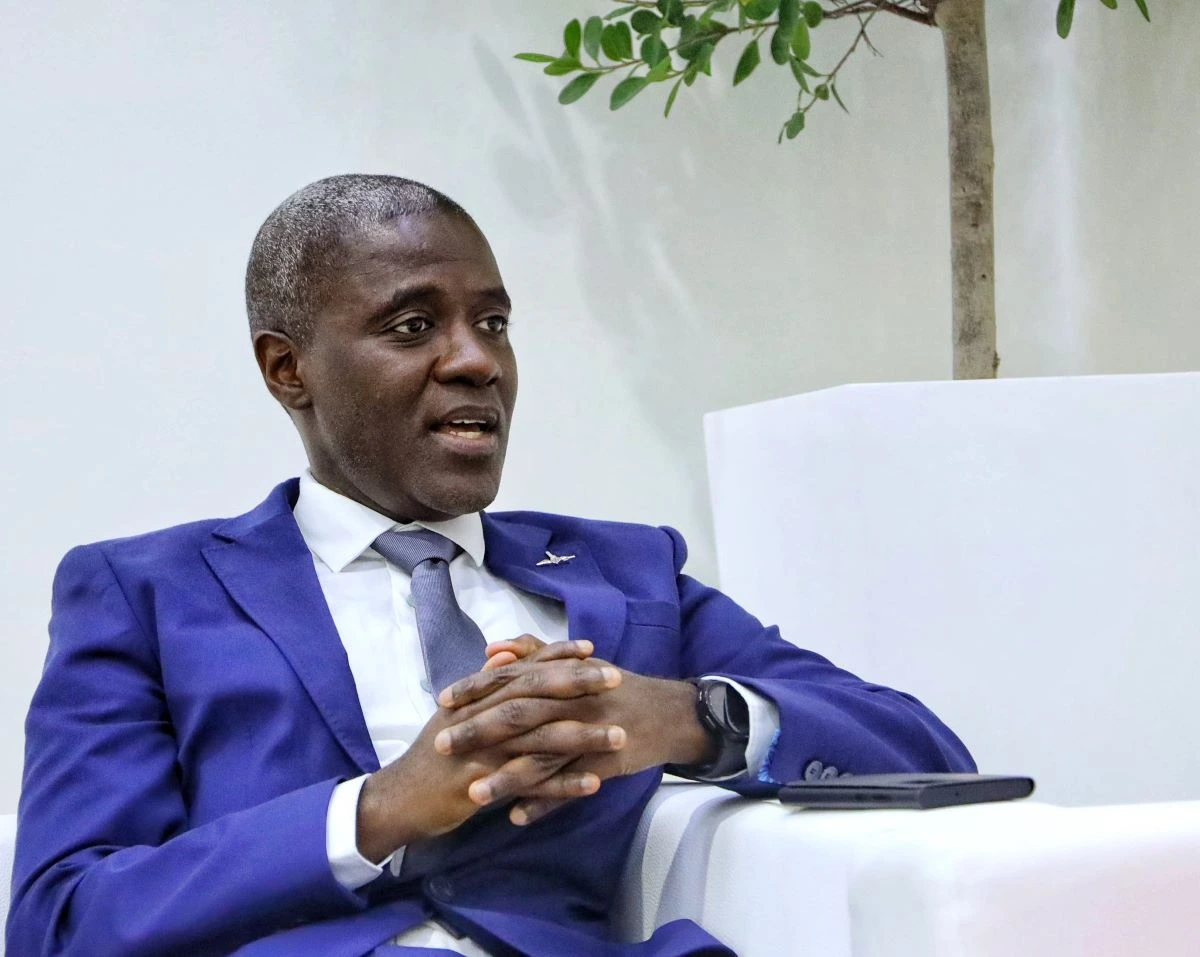
The Nigerian Communications Commission (NCC) plans to extend phone number verification to more sectors of the economy to reduce fraud risks linked to recycled numbers and compromised digital identities.
The Executive Vice Chairman of the NCC, Dr Aminu Maida, disclosed this on Tuesday in Lagos at the commission’s 95th Telecom Consumer Parliament.
He said the proposed expansion of the Telecommunications Identity Risk Management System (TIRMS) would help organisations identify recycled phone numbers and those flagged for fraudulent activities.
Maida said phone numbers had become an important part of digital identity, as they are increasingly used to access financial services, manage pensions and shop online.
Also Read
NCC targets recycled numbers and digital identity fraud
Explaining the need for the expansion, Maida said phone numbers had become central to how people access digital services.
- “A phone number has also become part of our digital identity, used to access financial services, manage pensions and shop online,” Maida said.
He said the commission was working with the Central Bank of Nigeria (CBN) to extend the system to other sectors that rely on phone numbers to identify customers and facilitate transactions.
The proposed expansion of TIRMS would help organisations recognise recycled phone numbers and numbers flagged for fraud, reducing the risk of unauthorised access to customers’ accounts and services.
- Maida also highlighted the commission’s interventions to improve network quality and protect telecom consumers.
- He disclosed that the commission had recorded more than 6,500 network interventions in 2026, including equipment upgrades and capacity expansion to improve connectivity.
He said operators were expected to translate their investments into more reliable calls and internet connections, while the commission monitored network performance and required providers to address shortcomings.
75 million subscribers receive airtime compensation
Maida disclosed that 75 million subscribers had received airtime compensation for poor service in 2026 under the commission’s Consumer Compensation Framework.
He, however, stressed that compensation could not make up for the wider consequences of service failures, including lost business opportunities and disrupted communication.
- “Compensation matters, but it cannot recover a lost business opportunity or an important conversation that could not take place,” he said.
Maida further disclosed that nearly three million subscribers had received refunds for failed airtime and data purchases under a framework developed with the CBN, telecom operators and financial service providers.
He said the framework was designed to trace failed transactions and ensure timely refunds, preventing consumers from being passed repeatedly between banks and network operators when seeking redress.
NCC plans clearer data usage notifications
On data transparency, Maida said the commission’s forthcoming usage notification guideline would provide clearer information on daily data consumption, remaining balances and detailed usage breakdowns to help subscribers monitor their spending.
- He said tariff simplification measures would also make bundle prices, allowances and validity periods easier to understand, while operators were expected to investigate disputed data usage fairly and explain their findings.
- Maida also advised consumers to verify mobile devices before purchase through the commission’s Device Checker by dialling *315# or calling 315, to check compliance with the NCC’s Type Approval requirements and avoid unsafe or counterfeit products.
On complaints, he urged subscribers to contact their service providers first, obtain complaint reference numbers and escalate unresolved cases to the commission through its toll-free line, 622.
NCC’s efforts to curb SIM-related fraud
The NCC’s planned expansion of phone number verification builds on earlier regulatory efforts to tackle SIM-related fraud, strengthen consumer protection and reduce the risks associated with recycled phone numbers.
- In April 2026, the NCC and the Central Bank of Nigeria signed a memorandum of understanding to tackle payment fraud and strengthen consumer protection. The collaboration includes the TIRMS Portal, which enables financial institutions to access information on recycled phone numbers and numbers flagged for suspicious activity.
As part of these broader efforts, the NCC proposed in March 2026 that telecom operators give subscribers at least 14 days’ notice before deactivating SIM cards due to inactivity or postpaid churn. The proposal also included a requirement for operators to submit details of deactivated numbers to TIRMS within seven days.