Follow Us on Google Discover
Brent crude oil prices rose to $110 per barrel on Friday for the first time since May, as renewed attacks on energy infrastructure in the Middle East and Russia heightened supply concerns and weakened prospects for a sustained price decline.
The global benchmark gained 3.7%, recording its second consecutive weekly advance as traders increased bets on further price increases ahead of the weekend.
The rally came amid reports of continued attacks by Iran-backed Houthi rebels on Saudi Arabia and renewed strikes by Russia and Ukraine on energy infrastructure, raising concerns about further disruptions to global oil and refined petroleum product supplies.
The latest price level was last recorded nearly five months ago, when disruptions to global crude and fuel flows triggered a fragile agreement that briefly reopened the Strait of Hormuz, a critical route for international oil shipments.
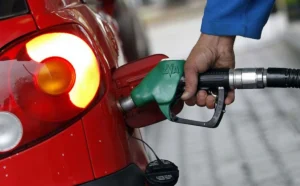
With the latest jump in crude price, the 30-day petrol discount recently introduced by the Nigerian government to cushion the effect of the rising fuel price now faces a fresh threat.
Crude oil supply concerns outweigh prospects of relief
Market participants are increasingly concerned that measures intended to ease supply constraints may not deliver the expected relief.
- US President Donald Trump has maintained that Russia will proceed with a proposed release of several hundred million barrels of diesel to the global market. However, continued attacks on Russian energy infrastructure have raised doubts about the plan’s implementation.
- Reuters recently reported an attack on Russia’s Ryazan refinery, adding to concerns about the country’s ability to maintain refined product supplies amid the ongoing conflict.
- Meanwhile, US lawmakers introduced legislation on Friday seeking to block Trump’s agreement with Moscow, citing concerns that the arrangement could provide Russia with additional revenue to finance its war.
- The continued exclusion of Russian diesel from international markets has forced refineries elsewhere to increase crude processing to meet demand, putting additional pressure on global refining capacity.
“After a brief reprieve, the oil market is having to price risk back in, particularly heading into the weekend,” Rebecca Babin, senior energy trader at CIBC Private Wealth Group, told Bloomberg.
The supply concerns have also extended to refined petroleum products, with diesel and gasoline futures advancing alongside crude oil.
Diesel futures settled at $4.90 per gallon in New York, with both diesel and gasoline contracts trading at their highest levels for this time of year.
Escalation risks keep traders on edge
Developments in the Persian Gulf remain a key focus for oil traders, particularly as concerns grow that the conflict could intensify.
Trump declined to rule out using the weapon commonly referred to as the “Mother of All Bombs” against Iran after the November 3 US midterm elections, according to an interview with Newsmax.
CNN also reported earlier in the week that the US had developed strike plans that could involve the GBU-43/B Massive Ordnance Air Blast bomb, a large yield conventional weapon.
Eurasia Group analysts raised their assessment of the likelihood of further conflict escalation to 65%, from 35% previously.
“The conflict is likely to escalate,” the analysts wrote, adding that “the standoff status quo is no longer sustainable for the US.”
The prospect of further military action has increased uncertainty over the outlook for crude supplies, with traders weighing the possibility of additional disruptions against efforts by governments to stabilise energy markets.
Oil surge pressures Nigerian consumers
For Nigeria, the prolonged increase in international crude prices has kept pressure on petrol and wider energy costs, although movements in Brent do not automatically translate into immediate changes at the pump.
- Nigeria’s downstream market is influenced by several variables, including the price of refined products, exchange-rate movements, refinery costs, transportation and distribution expenses, as well as the pricing decisions of refiners and marketers.
- Checks by Nairametrics showed most filling stations in Lagos selling petrol between N1,380 and N1,400 per litre.
- As a result of the global oil price volatility, Nairametrics reported that Nigeria’s energy inflation rate more than doubled on a year-on-year basis to 10.85% in September 2026, rising sharply from 4.69% in August.
The National Bureau of Statistics (NBS) disclosed this in its September 2026 Consumer Price Index (CPI) report, released on Thursday, October 15, 2026, which showed a significant acceleration in the annual rate of increase in energy prices.
The sharp rise in energy inflation came despite a moderation in Nigeria’s overall inflation rate, which eased to 14.63% in September from 15.39% in August, highlighting the divergence between energy costs and broader consumer price movements.