Follow Us on Google Discover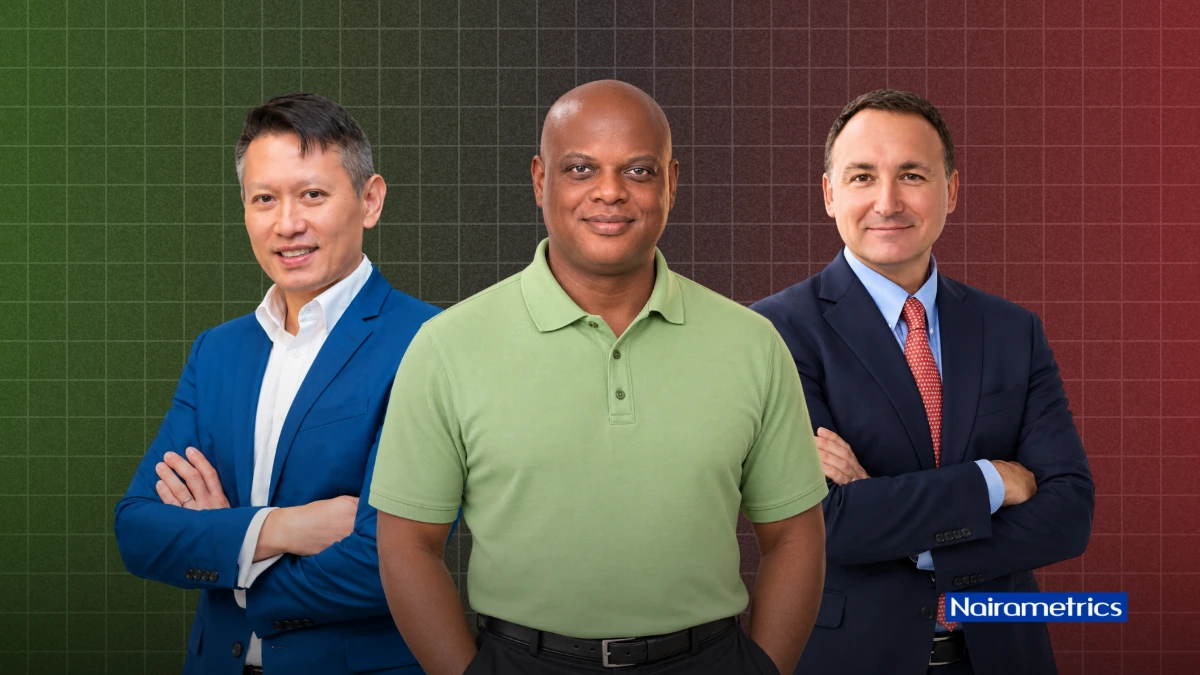
Nigeria’s business environment has witnessed a series of corporate exits, operational shutdowns and restructuring decisions over the past four years, affecting companies across manufacturing, technology, retail, energy and transportation.
From multinational corporations with decades of operations in Nigeria to homegrown startups that attracted millions of dollars in venture capital, several businesses have either shut down their local operations or scaled back their presence in Africa’s most populous country.
The departures have occurred against a backdrop of foreign exchange volatility, inflation, rising operating costs, funding constraints and changing corporate investment priorities.
However, the nature of these exits differs. While some businesses closed entirely, others sold their Nigerian assets, discontinued specific services or adopted distribution models that eliminated the need for direct local operations.
Behind these decisions are prominent global chief executives and Nigerian entrepreneurs who have shaped industries, attracted investment and overseen significant business transformations.
Here are 10 executives and founders associated with notable corporate exits and shutdowns in Nigeria between 2022 and 2026.
10. Shailesh G. Jejurikar — Procter & Gamble (2023)
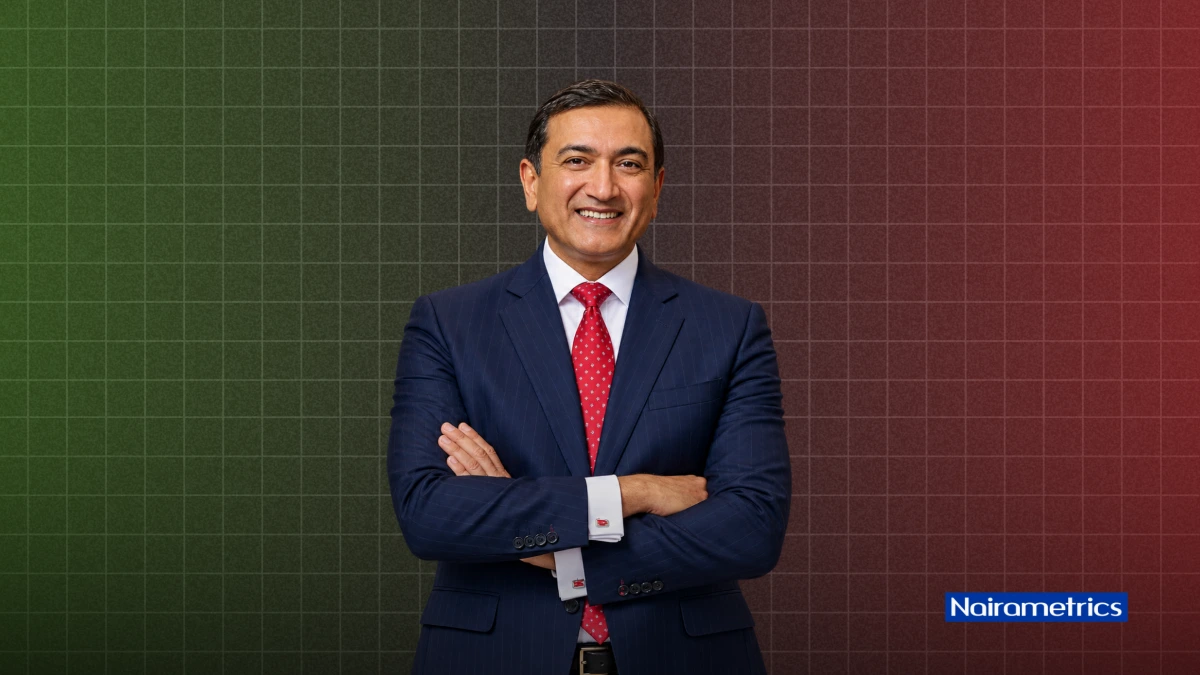
Shailesh G. Jejurikar is an Indian-born business executive who became Chairman of the Board, President and Chief Executive Officer of Procter & Gamble (P&G) in January 2026, succeeding Jon R. Moeller, who led the American consumer goods company when it discontinued manufacturing operations in Nigeria in 2023.
Jejurikar has spent more than three decades at P&G, holding senior leadership positions across North America, Europe, Asia and Africa, with experience spanning the company’s healthcare, beauty, home care and fabric care businesses.
Before becoming CEO, he served as Chief Operating Officer, overseeing P&G’s Enterprise Markets, including Latin America, India, the Middle East, Africa, Southeast Asia and Eastern Europe.
He previously led P&G’s Fabric & Home Care division, the company’s largest business segment, which accounts for approximately one-third of its global sales and earnings. The division includes brands such as Ariel, Tide, Downy and Febreze.
Between 2016 and 2021, Jejurikar also served as executive sponsor for P&G’s global sustainability initiatives.
In December 2023, P&G announced plans to discontinue local manufacturing in Nigeria and transition to an import-focused business model amid challenging macroeconomic conditions.
The decision affected its $300 million manufacturing facility in Agbara, Ogun State, which had been commissioned in 2017 as part of the company’s investment in local production.
The restructuring came as foreign exchange volatility, rising production costs and difficulties accessing foreign currency placed pressure on multinational manufacturers operating in Nigeria.
9.Tayo Amusan — Shoprite (2026)
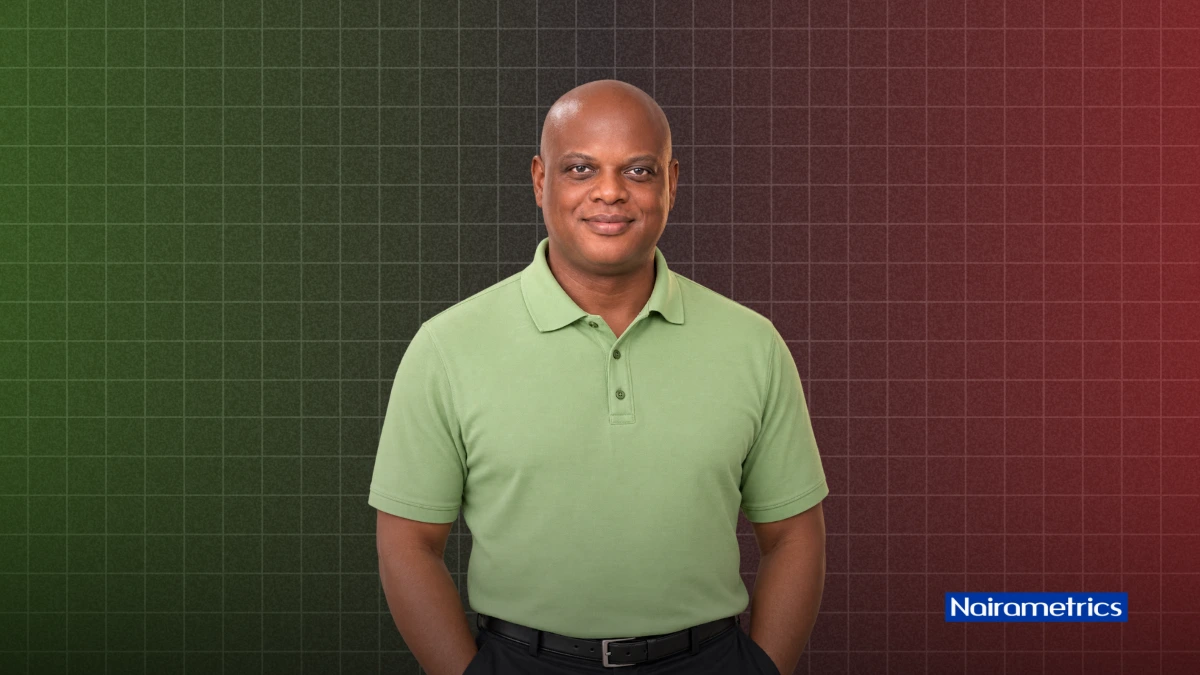
Tayo Amusan is a Nigerian businessman, property developer and founder of Persianas Group, the investment company that led the acquisition of Shoprite’s Nigerian operations in 2021.
Amusan founded Persianas in 1990 and built the company into a major player in Nigeria’s retail property sector, with investments spanning shopping malls, commercial real estate and retail businesses.
His company developed The Palms Shopping Mall in Lagos, one of Nigeria’s earliest modern shopping centres, alongside other commercial properties across the country.
In June 2021, Amusan led a consortium of investors through Ketron Investment Limited to acquire Retail Supermarkets Nigeria Limited (RSNL), the operator of Shoprite stores in Nigeria, from South Africa’s Shoprite Holdings.
The acquisition, whose financial terms were undisclosed, transferred ownership of approximately 25 outlets to Nigerian investors while allowing the business to continue operating under the Shoprite brand through a franchise agreement.
The transaction followed Shoprite Holdings’ decision to divest its Nigerian subsidiary amid foreign exchange difficulties, rising operating costs and a broader review of its African investments.
However, the Nigerian-owned business subsequently faced financial and operational challenges, including rising rental costs, inflation, supply disruptions and foreign exchange pressures.
In March 2026, several publications reported that Shoprite had completed the closure of its Nigerian outlets after more than two decades in the country, with some locations experiencing prolonged shutdowns and empty shelves.
The company, however, disputed reports of a nationwide exit. In an interview with Nairametrics on March 13, 2026, RSNL’s Chief Strategy Officer, Bunmi Adeleye, said Shoprite was undergoing restructuring rather than shutting down.
8.Luke Miels — CEO GSK (2023)
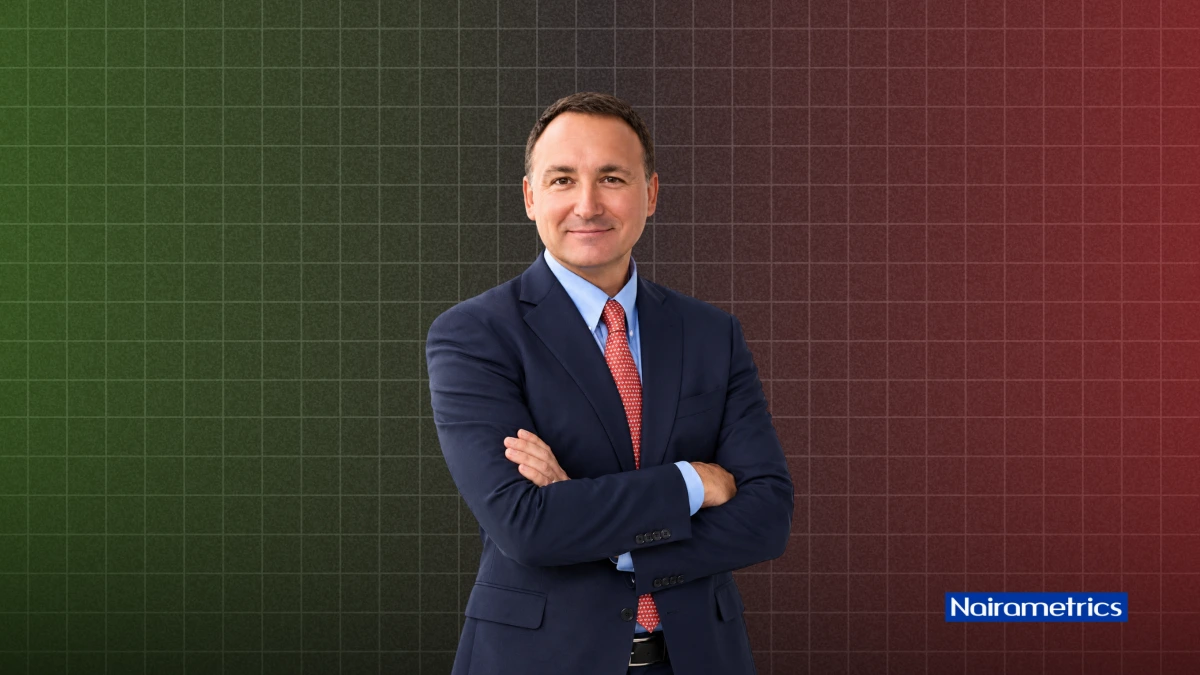
Luke Miels is an Australian pharmaceutical executive who became Chief Executive Officer of GSK on January 1, 2026, succeeding Emma Walmsley, who led the British pharmaceutical company when it discontinued direct operations in Nigeria in 2023.
Miels was appointed CEO-designate in September 2025, following nearly nine years at GSK, where he joined as Chief Commercial Officer in 2017, overseeing the company’s global commercial portfolio of medicines and vaccines.
Before joining GSK, he held several senior leadership positions at AstraZeneca, including Executive Vice President of its European business and Executive Vice President of Global Product and Portfolio Strategy, Global Medical Affairs and Corporate Affairs.
He previously served as Head of Asia at Roche, working from Shanghai and Singapore, after holding senior positions at Roche and Sanofi-Aventis across the United States, Europe and Asia.
Miels holds a Bachelor of Science degree in Biology from Flinders University in Adelaide and an MBA from Macquarie University in Sydney.
GSK announced its decision to discontinue direct commercial operations in Nigeria in August 2023, after more than five decades in the market, transitioning to a third-party distribution model for its medicines and vaccines.
The decision was announced under Walmsley’s leadership amid foreign exchange difficulties and rising operating costs.
GSK’s Nigerian subsidiary subsequently commenced the process of winding down its operations and returning capital to shareholders.
Miels now oversees the pharmaceutical group’s global operations, including its vaccines, specialty medicines and general medicines businesses.
7. Ladi Delano and Jide Odunsi — Moove (2026)

Ladi Delano and Jide Odunsi are British-born Nigerian entrepreneurs who founded Moove in Lagos in 2020 to address vehicle financing challenges among commercial drivers.
Delano previously established Grace Lake Partners, an investment and venture development firm, and served as CEO of JCDecaux Grace Lake, an outdoor advertising business operating in Nigeria.
He holds a master’s degree from the University of Oxford and a Master of Public Administration from the London School of Economics.
Odunsi previously worked at Goldman Sachs in London, where he held senior roles in the equities division, before joining McKinsey & Company as a management consultant in Lagos.
He holds a bachelor’s degree from the London School of Economics and an MBA from MIT Sloan School of Management.
Their company started with 76 vehicles in Lagos and subsequently expanded internationally. In August 2026, Moove raised $250 million in Series C funding at a valuation of $2.1 billion.
In October 2026, the company announced its Nigerian exit, with plans to transfer eligible vehicles worth approximately N35 billion to customers at no cost.
Moove disclosed that more than 9,000 customers had used its Nigerian services, generating approximately N57 billion in revenue through its vehicles.
6.Dara Khosrowshahi — Uber (2026)
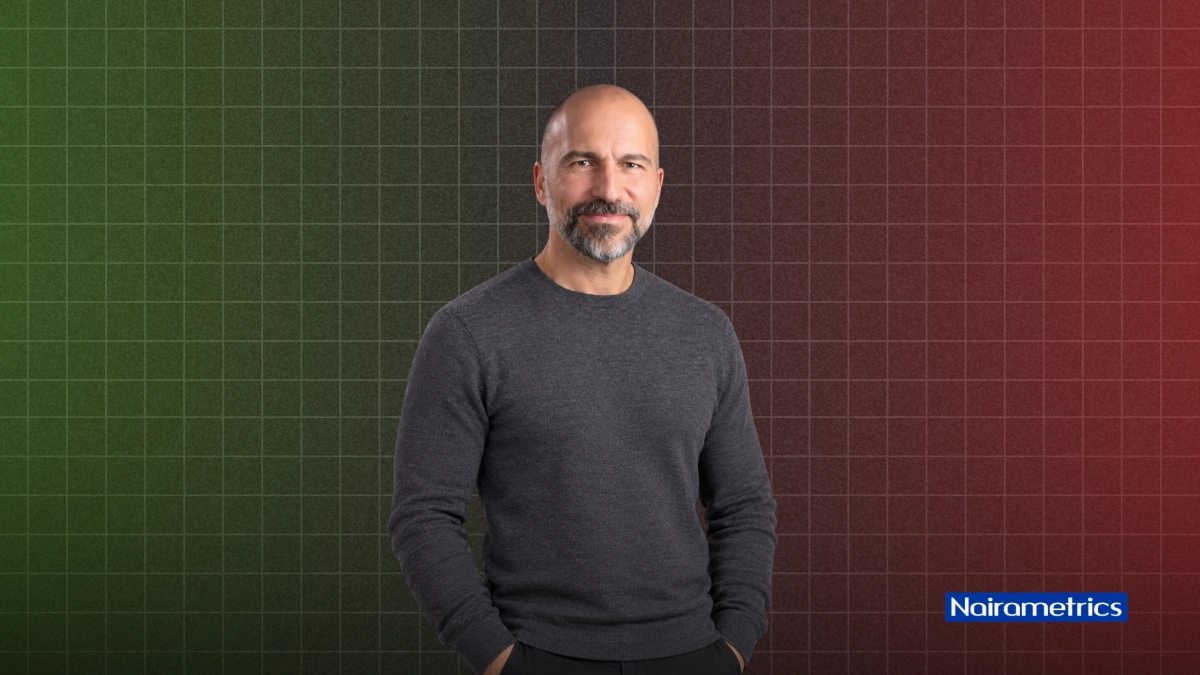
Dara Khosrowshahi is an Iranian-American business executive who has served as Chief Executive Officer of Uber Technologies since 2017, overseeing the company’s global ride-hailing and delivery operations.
Born in Iran, Khosrowshahi moved to the United States during his childhood and graduated from Brown University with a bachelor’s degree in engineering.
He began his career in finance at Allen & Company before joining IAC, where he became Chief Financial Officer of its travel division.
He subsequently served as CEO of Expedia from 2005 to 2017, overseeing the company’s international expansion and acquisitions.
At Uber, Khosrowshahi has led the company’s transition toward profitability and expansion across transportation and delivery services.
In September 2026, Uber announced the shutdown of its operations in Nigeria and Uganda following a review of its business performance.
The Nigerian exit ended approximately 12 years of operations in a market where Uber launched in 2014 and helped introduce app-based ride-hailing services.
The company said the decision would not affect its operations in other African markets.
5. Sean Summers — Pick n Pay (2024)
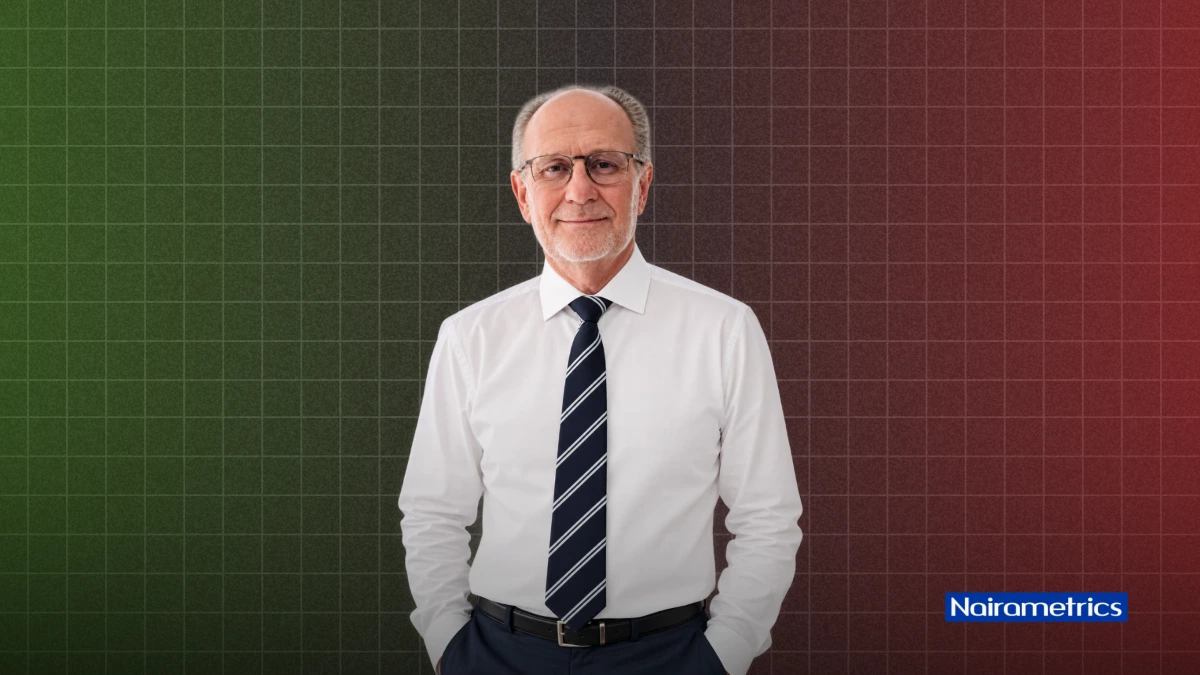
Sean Summers is a South African retail executive who returned as Chief Executive Officer of Pick n Pay in 2023, having previously led the supermarket group between 1999 and 2007.
His career at Pick n Pay dates back several decades, during which he held senior management positions covering retail operations, corporate strategy and business expansion.
Summers returned to lead the company during a period of financial pressure, with the retailer implementing a turnaround strategy to improve profitability and strengthen its core South African business.
The retailer had entered Nigeria through a partnership established in 2016, opening its first store in 2021 and eventually operating two outlets.
The decision formed part of a broader restructuring programme under Summers, as the company sought to redirect capital toward its domestic operations.
Unlike companies that closed manufacturing facilities, Pick n Pay’s withdrawal involved the disposal of its investment in a Nigerian retail joint venture.
4.Mike Hsu — Kimberly-Clark (2024)
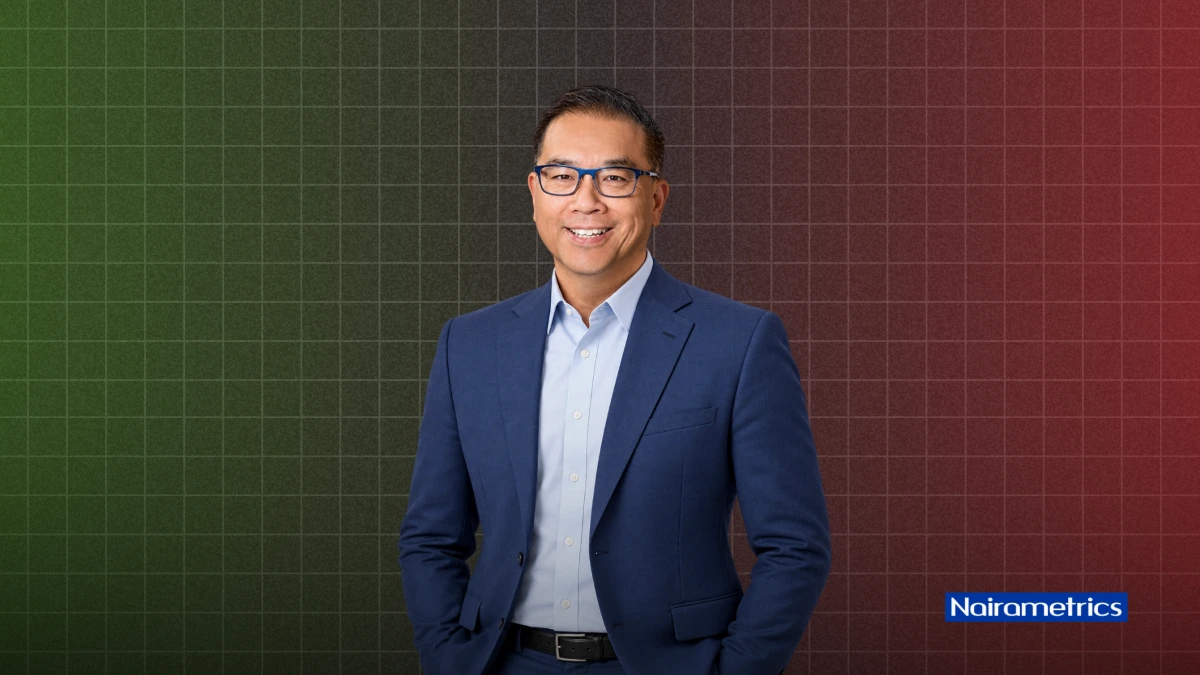
Mike Hsu is an American business executive who served as Chief Executive Officer of Kimberly-Clark, the multinational consumer goods company behind brands including Huggies, Kotex and Kleenex.
Hsu became CEO in 2019 after holding senior leadership roles at the company, including President and Chief Operating Officer.
Before joining Kimberly-Clark, he worked at Kraft Foods and H.J. Heinz, building experience in consumer goods marketing, operations and corporate management.
He holds a bachelor’s degree from Carnegie Mellon University and an MBA from the University of Chicago.
During his leadership, Kimberly-Clark pursued restructuring initiatives aimed at improving efficiency and strengthening its global brand portfolio.
In 2024, the company announced plans to close its manufacturing facility and commercial office in Lagos, bringing an end to nearly 15 years of operations in Nigeria.
The decision came after the company invested approximately $100 million in a manufacturing facility to support local production.
3. Anders Opedal — Equinor (2024)
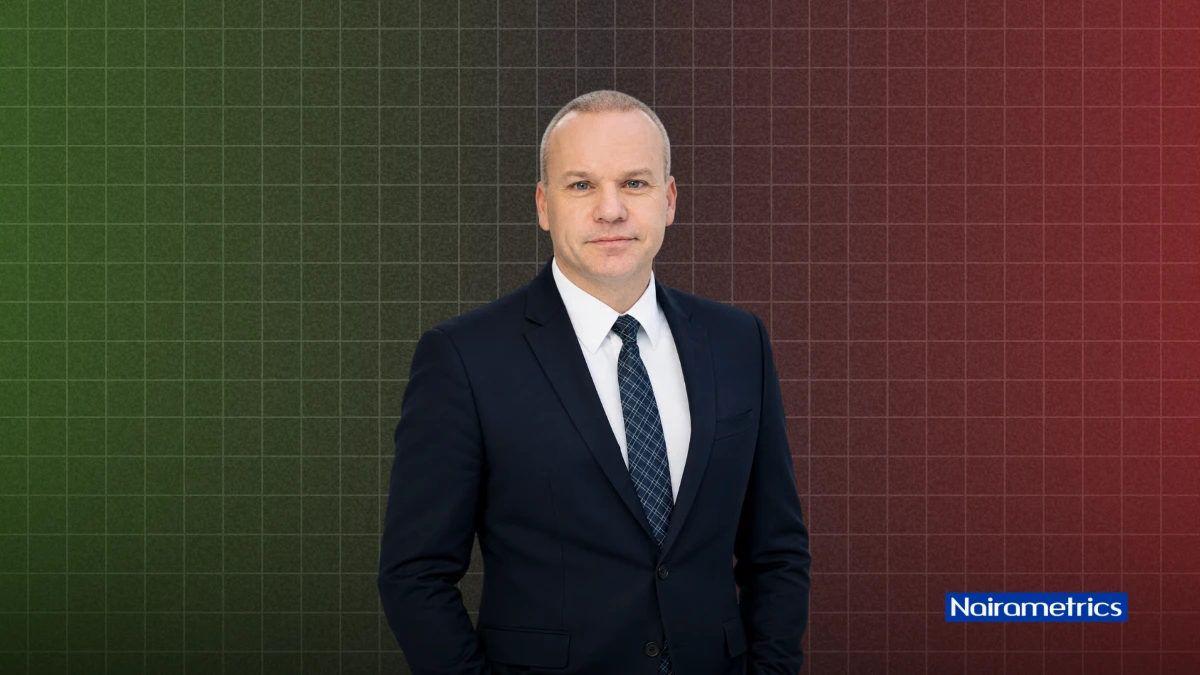
Anders Opedal is a Norwegian energy executive who became President and Chief Executive Officer of Equinor in November 2020.
Born in 1968, Opedal joined the Norwegian energy company in 1997 and rose through several technical and managerial positions before assuming its top leadership role.
He previously served as Chief Operating Officer and Executive Vice President for Technology, Projects and Drilling, where he oversaw major investment projects.
Before joining Equinor, he worked with international oilfield services companies Schlumberger and Baker Hughes.
Opedal holds a master’s degree in engineering from the Norwegian Institute of Technology and an MBA from Heriot-Watt University.
Under his leadership, Equinor announced plans in November 2023 to sell its Nigerian business to Chappal Energies, ending more than three decades of operations in the country.
The transaction was completed in December 2024 and valued at up to $1.2 billion, comprising an initial purchase price of $710 million and additional contingent payments.
The assets transferred included Equinor’s interests in Oil Mining Lease 128 and the Agbami oil field, marking a complete exit from Nigeria’s upstream petroleum industry.
2. Richard Teng — Binance (2024), Chief Executive Officer
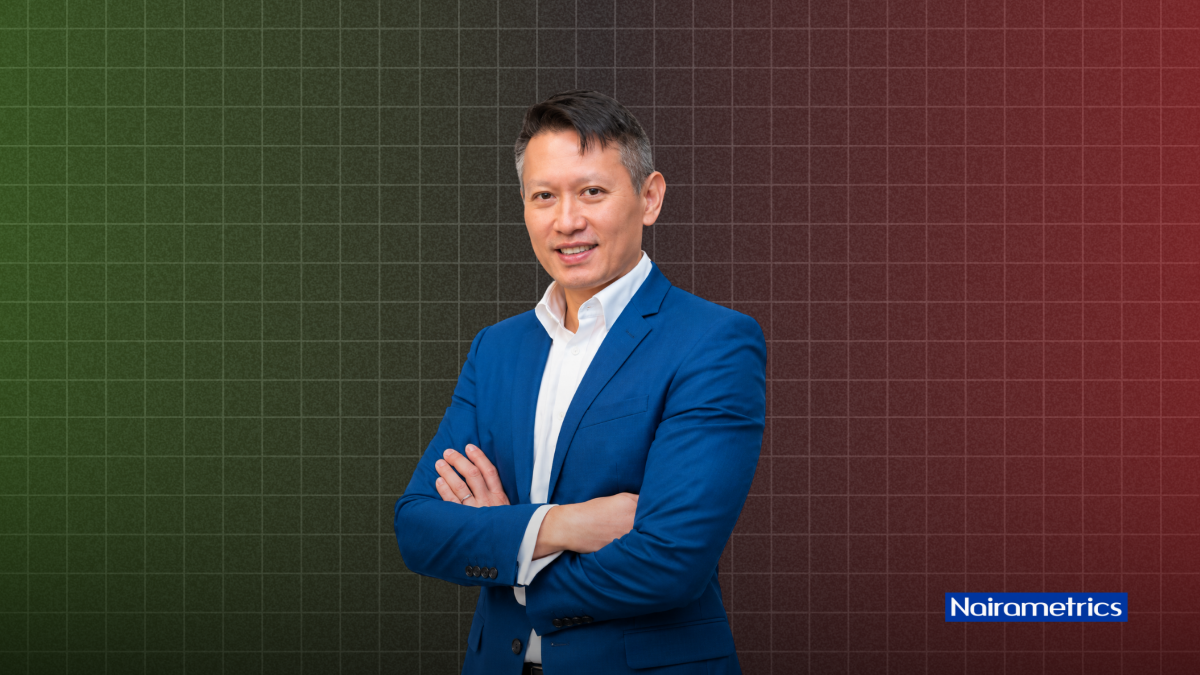
Richard Teng is a Singaporean financial services executive who became Chief Executive Officer of Binance in November 2023, succeeding the cryptocurrency exchange’s co-founder Changpeng Zhao.
Teng has more than three decades of experience in financial regulation, capital markets and digital asset businesses.
Before joining Binance, he served as Chief Executive Officer of the Financial Services Regulatory Authority at Abu Dhabi Global Market.
He also held senior positions at the Singapore Exchange and the Monetary Authority of Singapore.
Teng holds a bachelor’s degree in Accountancy from Nanyang Technological University and a master’s degree in Applied Finance from the University of Western Australia.
He joined Binance in 2021 as CEO of its Singapore business before assuming responsibility for regional markets.
The company removed naira trading pairs, stopped naira deposits and withdrawals, and converted remaining naira balances into USDT.
1. Miles van Rensburg — Game Stores (2022)
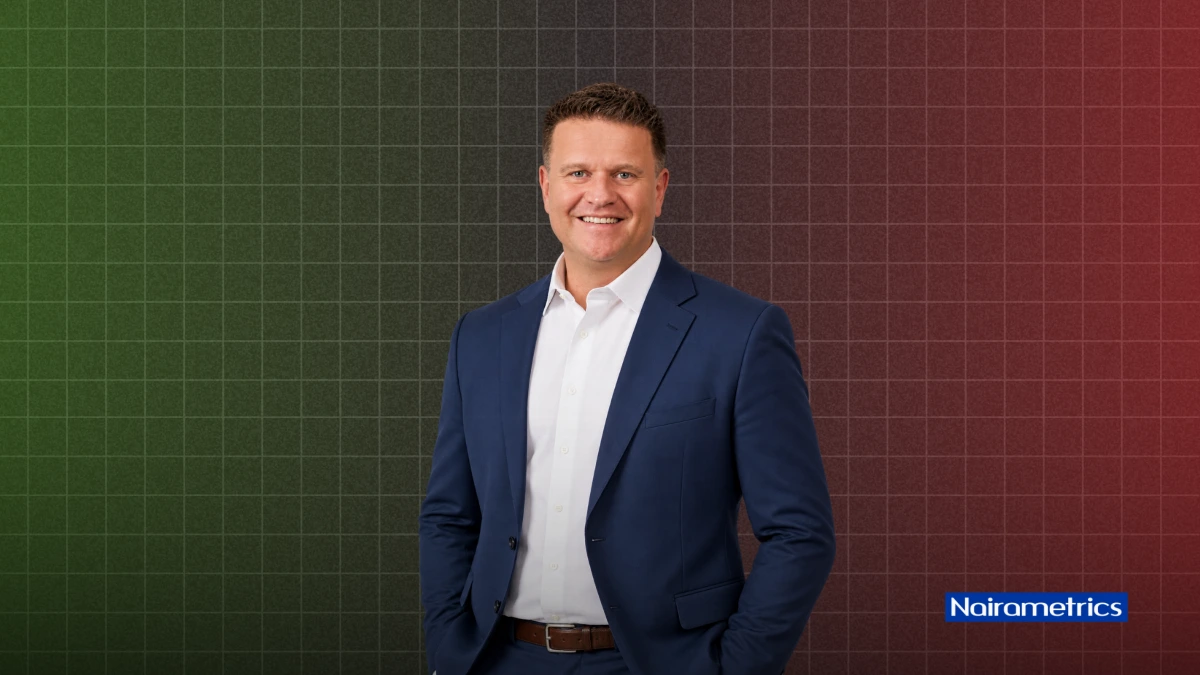
Miles van Rensburg is a South African business executive and the Chief Executive Officer of Massmart, the retail group behind Game Stores, which exited the Nigerian market in December 2022 after approximately 17 years of operations.
Although Mitchell Slape was Massmart’s CEO when Game Stores withdrew from Nigeria, van Rensburg assumed leadership of the group in March 2025, bringing more than 25 years of experience in the fast-moving consumer goods (FMCG) industry.
Before joining Massmart, van Rensburg built an extensive career at Coca-Cola, holding several leadership positions across Southern and East Africa, including Commercial Director for Coca-Cola South Africa.
His international career also included senior management roles across Asia, Europe and the United States.
Prior to his appointment at Massmart, he was based in Dublin, Ireland, where he led Coca-Cola’s International McDonald’s Division, overseeing strategic direction, innovation and operations across more than 26,000 restaurants in over 100 countries.
Van Rensburg holds a Bachelor of Commerce degree in Marketing from the University of Pretoria and a Master of Business Leadership from the University of South Africa.
Massmart’s Nigerian exit followed efforts to dispose of its Game Stores operations across East and West Africa amid mounting losses and operational challenges.
The withdrawal formed part of a broader restructuring strategy initiated under Slape, who remained CEO until December 31, 2022.
Van Rensburg now oversees Massmart’s retail operations, including its Game, Makro and Cash & Carry businesses, as the Walmart-owned group pursues operational improvements and growth in its remaining markets.