Follow Us on Google Discover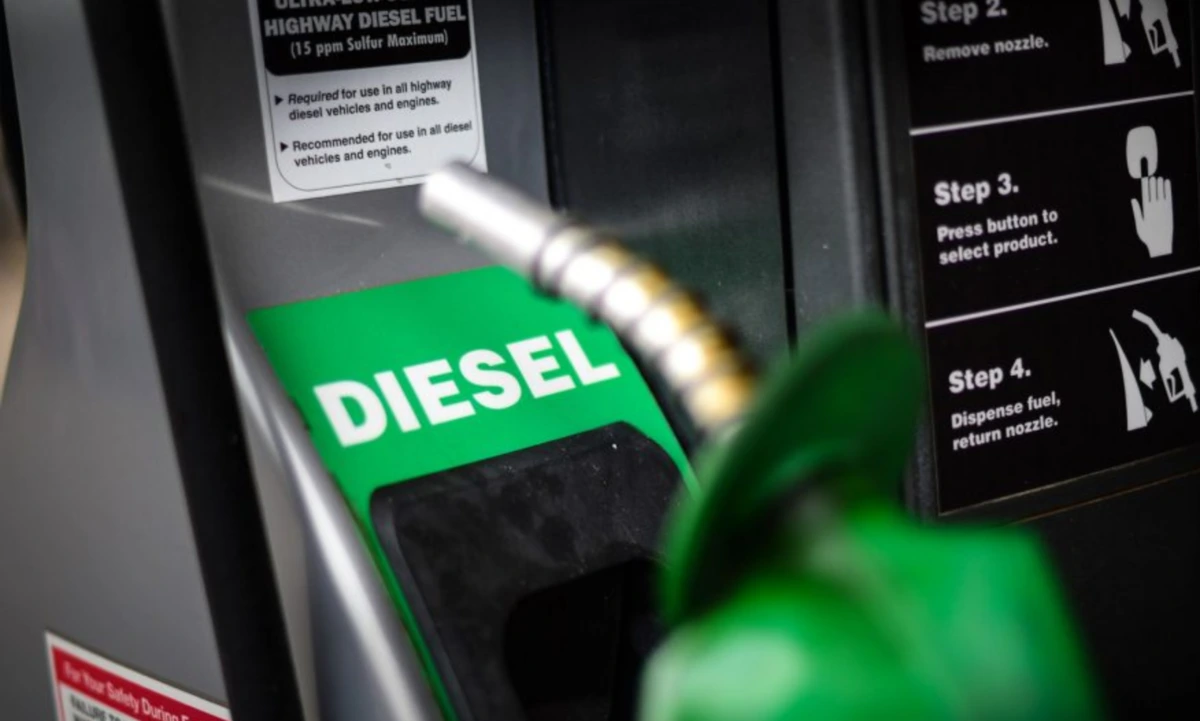
Nigeria recorded the world’s highest diesel price increase, at 82.7%, between February and August 2026, according to the United Nations Conference on Trade and Development (UNCTAD).
The finding is contained in the Trade and Development Report 2026: The Geoeconomics of Development, released by the United Nations Conference on Trade and Development (UNCTAD) on Friday, October 9, 2026.
The report’s comparison, based on fuel price data as of August 31, 2026, also shows that petrol prices in Nigeria rose by 48.1% over the same period, the fourth-highest increase among the countries and territories listed.
Nigeria leads global diesel price increases
UNCTAD’s report shows that diesel prices in Nigeria increased by 82.7% between February 23 and August 31, 2026, the largest increase among the countries and territories included in its comparison.
Also Read
Lebanon recorded the second-highest diesel price increase at 73.6%, followed by Peru at 66.7% and Guatemala at 66.3%.
For petrol, Myanmar recorded the highest price increase at 50.7%, followed by the United Arab Emirates at 49.8% and Malaysia at 48.4%. Nigeria ranked fourth, with a 48.1% increase over the same period.
The report explains that although the shock to global energy markets affects countries worldwide, its effects vary depending on how higher international prices feed into domestic fuel and electricity costs.
- “The shock is global, but the effects are uneven,” the report states, noting that rising energy costs reduce consumers’ real incomes and constrain consumption.
UNCTAD adds that the steepest domestic fuel price increases have occurred in developing countries, predominantly in Asia and Africa, as shown in Figure I.7 of the report.
Nigeria’s oil exports offer potential gains
UNCTAD identifies Nigeria, Angola, Guyana and Kazakhstan as oil and gas exporters that could benefit from higher global energy prices triggered by the conflict in the Middle East.
The report attributes the energy shock to damage to energy infrastructure and disruptions to shipments through the Strait of Hormuz, which triggered the largest monthly loss of global energy supply on record.
- Brent crude rose from about $70 to more than $110 per barrel following the outbreak of the conflict. Despite releases from global oil reserves and increased production outside the Middle East, prices are expected to remain more than $30 per barrel above pre-conflict levels through the end of 2026.
For Nigeria, higher crude prices could boost export earnings. However, UNCTAD warns that higher refined fuel prices could offset some gains where domestic refining capacity is insufficient. Although Nigeria’s refining capacity has expanded, continued petrol imports leave domestic fuel costs exposed to international price movements.
Africa’s electric vehicle drive offers energy security gains
Africa’s growing adoption of electric motorbikes and buses could reduce dependence on petrol and diesel while strengthening energy security, according to the United Nations Conference on Trade and Development (UNCTAD). As these vehicles become more competitive, the report says African countries have an opportunity to expand electric mobility and reduce exposure to global fuel shocks.
UNCTAD notes that countries with more developed renewable energy systems have been less vulnerable to fossil fuel price increases. In Spain, natural gas sets electricity prices about 15% of the time, compared with 89% in Italy, according to Ember data cited in the report.
Global electric vehicle trade rose by 11% in the first quarter of 2026. UNCTAD also cites China, Nepal, Singapore and Viet Nam as examples of countries where electric vehicle adoption has helped reduce exposure to fuel shortages. However, at least 25 countries have introduced fuel rationing or other restrictions amid supply pressures.
Nigeria’s petrol imports continue falling
Nigeria’s expanding refining capacity is helping reduce reliance on imported petrol. Dangote Petroleum Refinery supplied about 50 million litres daily to the domestic market in the first half of 2026, according to Nairametrics.
NMDPRA data showed average daily petrol imports fell by 26% to 14.6 million litres in August 2026, from 19.7 million litres in July. Meanwhile, NBS data showed the petrol import bill dropped by 96.15% to N87.40 billion in the first quarter of 2026, from N2.27 trillion a year earlier.
- However, import licences remain part of the market. In September, the Federal High Court in Abuja ordered the NMDPRA to continue granting import licences to Matrix Energy, AA Rano and AYM Shafa, subject to statutory and regulatory requirements.
On October 9, the Federal Government also said NNPC Retail’s 30-day petrol discount would be funded from the retailer’s margins, rather than the federal budget or Federation Account. Finance Minister Taiwo Oyedele said the retailer would continue buying fuel from Dangote Refinery and other suppliers at market prices while absorbing the discount through lower margins.