Follow Us on Google Discover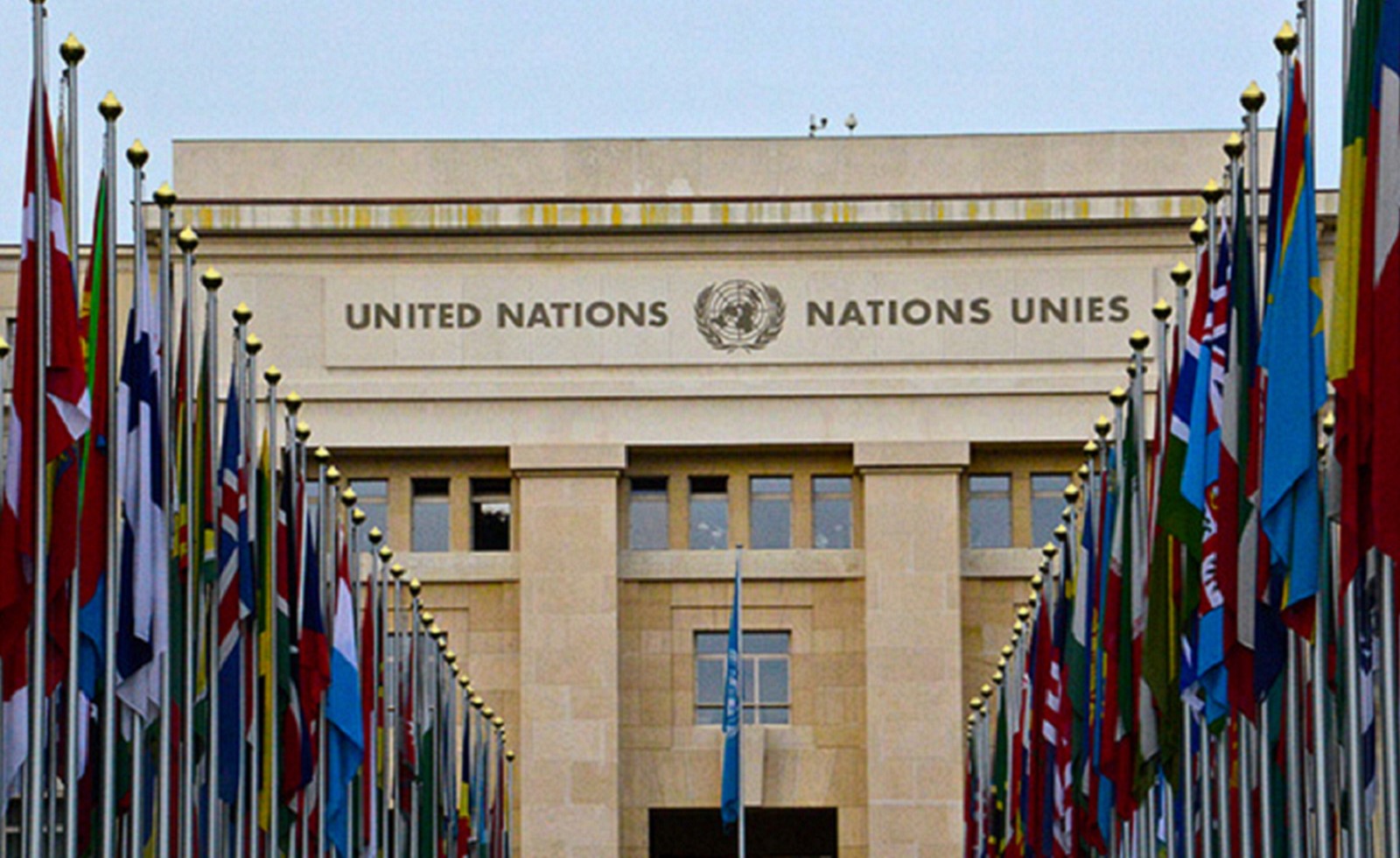
Nigeria is among the oil and gas exporters positioned to benefit from higher global energy prices, although rising refined fuel costs could offset some of the gains.
This is according to the United Nations Conference on Trade and Development (UNCTAD) in its 2026 Trade and Development Report: The Geoeconomics of Development.
The report identifies Nigeria, Angola, Guyana and Kazakhstan as exporters that could benefit from the energy shock triggered by the conflict in the Middle East, while warning that insufficient domestic refining capacity could erode some of the gains.
UNCTAD flags Nigeria’s oil price gains
The report, in Chapter I, titled “Resilience and its limits,” says the conflict in the Middle East has damaged energy infrastructure and disrupted transit through the Strait of Hormuz, a major route for seaborne crude oil and liquefied natural gas. These disruptions triggered the largest monthly loss of global energy supply on record.
Also Read
Brent crude rose from about $70 to more than $110 per barrel in the weeks following the outbreak of the conflict. Despite releases from global oil reserves and increased production outside the Middle East, prices are expected to remain more than $30 per barrel above pre-conflict levels through the end of 2026.
For Nigeria, higher crude oil prices could boost export earnings. However, insufficient domestic refining capacity could leave some of these gains offset by higher refined petroleum product prices.
- “Oil and gas exporters outside the Strait of Hormuz, among them Angola, Guyana, Kazakhstan and Nigeria, are positioned to benefit from higher prices.”
- “Where domestic refining capacity is insufficient, however, that advantage is partly offset by the steeper rise in refined product prices.”
The report also warns that the energy shock could fuel inflation, tighten monetary policy, increase borrowing costs and heighten financial stability risks. It argues that addressing energy supply constraints would be more effective against supply-driven inflation than relying solely on monetary and fiscal tightening.
Energy shock deepens global growth pressures
Beyond energy markets, UNCTAD projects global economic growth of 2.6% in 2026 and 2.7% in 2027, down from 2.9% in 2025. Developing economies are projected to grow by 4% in 2026, compared with 4.7% in 2025, as higher financing costs and geopolitical uncertainty weigh on economic activity.
- Africa’s growth is projected at 4.1% in 2026 and 4.2% in 2027. However, the report highlights widening differences among developing economies, with India expected to grow by 7.3% in 2026 while many import-dependent countries face rising debt-servicing costs and limited fiscal room to cushion external shocks.
- Global trade grew by 4.4% in real terms in 2025 and is expected to expand by about 4% in 2026. Demand for artificial intelligence-related products, including advanced computing equipment used in data centres, has become a major driver of merchandise trade, although much of the value generated remains concentrated among a small number of supplier segments.
The report also projects official development assistance to decline by almost 7% in 2026, marking a third consecutive annual fall. It calls for stronger multilateral support, increased domestic development financing and greater use of local-currency funding to close financing gaps. UNCTAD also highlights renewable energy as an opportunity for developing countries to strengthen energy security and reduce exposure to external supply shocks.
Nigeria’s petrol imports continue falling
Nigeria’s expanding refining capacity could help reduce its exposure to international refined fuel markets. Nairametrics reported that Dangote Petroleum Refinery supplied about 50 million litres of petrol daily to the domestic market in the first half of 2026 while expanding exports of refined products.
- Data from the Nigerian Midstream and Downstream Petroleum Regulatory Authority (NMDPRA) showed that average daily petrol imports fell by 26% to 14.6 million litres in August 2026, from 19.7 million litres in July.
- National Bureau of Statistics data also showed that Nigeria’s petrol import bill declined by 96.15% to N87.40 billion in the first quarter of 2026, from N2.27 trillion in the corresponding period of 2025.
However, continued reliance on imported petroleum products means international prices remain relevant to domestic fuel costs.
In September, Nairametrics reported that the Federal High Court in Abuja ordered the NMDPRA to continue granting petroleum products import licences to Matrix Energy, AA Rano and AYM Shafa, subject to statutory and regulatory requirements. The ruling came amid an ongoing dispute over competition between fuel importers and domestic refiners.
FG says NNPC petrol discount uses retail margins
In a related development, the Federal Government said on Friday, October 9, that the 30-day petrol discount at NNPC Retail Limited stations would be funded by the retailer’s margins, not the federal budget or the Federation Account.
Minister of Finance Taiwo Oyedele said NNPC Retail would absorb the discount by reducing its margin while continuing to buy petrol from Dangote Refinery and other suppliers at market prices.
He added that restoring petrol prices to pre-reform levels could cost more than N20 trillion annually, while an intervention of N500 per litre could exceed N16 trillion yearly.
The development highlights the challenge of easing domestic fuel costs while managing public finances and exposure to international petroleum prices.