Follow Us on Google Discover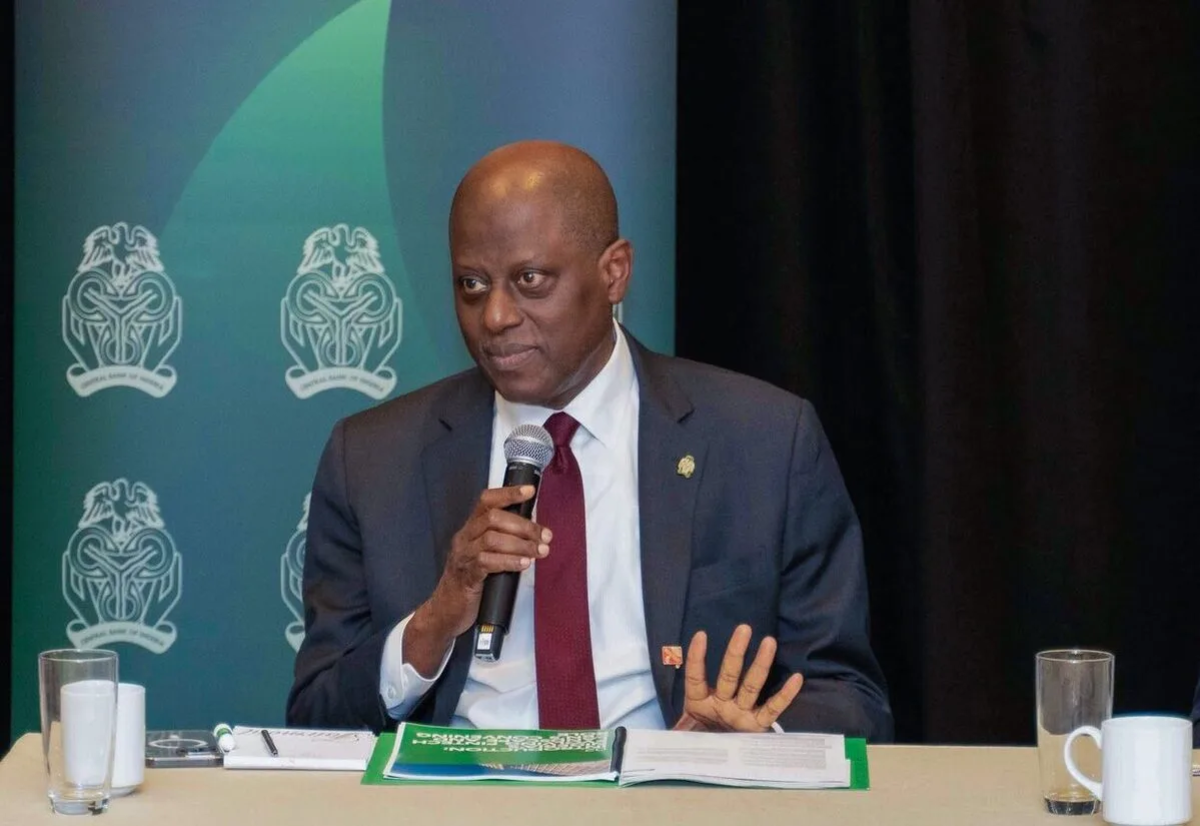
The Central Bank of Nigeria (CBN) has identified about 40 million Nigerians living with disabilities as an underserved segment of the financial system that could present new opportunities for fintech companies.
CBN Governor Olayemi Cardoso, represented by Abiodun Olalekan Okunola, Head of the Innovation Management Division at the CBN, made the remarks at Nigeria Fintech Week 2026 in Lagos.
He said the financial system has not done enough to develop technology and services that meet the specific needs of persons with disabilities, urging fintech companies to begin looking at solutions that address the challenges faced by the group.
CBN calls for more inclusive financial technology
Cardoso said the CBN’s work with the National Agency for Persons with Disabilities had brought attention to gaps in the financial system’s ability to serve people living with disabilities.
Also Read
He said the financial system had not sufficiently innovated to accommodate their needs.
- “Many people may not know that there are about 40 million Nigerians that are persons living with disability. Our financial system, we have not innovated to take care of them,” he said.
The Governor gave the example of visually impaired customers who may have money in their bank accounts but face difficulties when they visit financial institutions.
He said the issue extends beyond technology to how financial institutions’ staff interact with customers with disabilities.
- “Blind people have money in their accounts. They go to the bank. When they get to the bank teller, the first thing they see is somebody coming to beg, even if that person has N20 million in their account, they do not treat them well,” he said.
Cardoso said financial institutions would therefore need to train their staff to respond appropriately to customers with disabilities.
Cardoso points to biometric access challenges
The Governor also highlighted the limitations of fingerprint-based identification for some customers, citing people affected by leprosy who may no longer have fingerprints.
He said the financial system would need to consider alternative forms of identification for such customers.
- “They don’t have fingerprints. So what that means is that we also must innovate so that perhaps we start using their, you know, irises or something to do identity,” he said.
Cardoso said millions of Nigerians remain excluded because financial technology solutions have not been specifically designed around their needs.
CBN sees commercial opportunity for fintechs
Beyond the financial inclusion implications, Cardoso said the size of the underserved population represents an opportunity for fintech companies that can develop solutions for people with disabilities.
- “So 40 million people excluded, not having targeted technological solutions to meet their needs. I’m sure you’re thinking already, there’s a lot of money to be made there,” he said.
He urged fintech organisations to begin looking at solutions that address the financial needs of people with disabilities.
He described exclusion as the third “brake” that needs to be lifted, after fragmentation and the deficit of trust.
Financial inclusion efforts
The CBN’s latest comments come as financial institutions and regulators continue to develop initiatives aimed at expanding access to financial services among underserved groups.
FirstBank announced in September 2025 that it was developing tailored financial services for blind, partially sighted and physically challenged customers.
The development came as the CBN continues to pursue broader financial inclusion through digital payments and fintech.
In June 2026, the CBN said its Payment System Vision 2028 aims to raise financial inclusion to 95% of the adult population by 2028, potentially bringing 50 million additional Nigerians into the formal financial system.