Follow Us on Google Discover
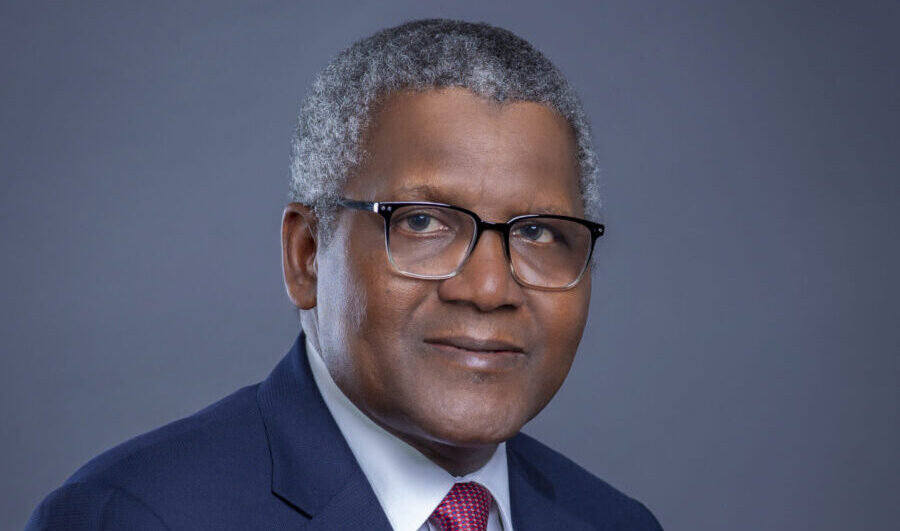
The President/Chief Executive Officer of Dangote Industries Limited, Aliko Dangote, has attributed Nigeria’s high petrol prices largely to the continued smuggling of the commodity to neighbouring countries where it sells for more.
Dangote made this known during an exclusive interview with Arise Television on Tuesday, September 15, 2026.
His comments came after Dangote Petroleum Refinery increased its gantry price of petrol from N1,265 to N1,350 per litre, effective September 12, amid elevated international crude oil and petroleum product prices.
Dangote said the price of petrol in Nigeria should be considered relative to prices in neighbouring countries, where the commodity remains 30 per cent to 50 per cent more expensive.
What he is saying
Dangote argued that despite petrol being expensive in Nigeria, the higher prices in neighbouring countries create an incentive for traders to smuggle the commodity across the borders for immediate returns.
- “The expensive is relative in the sense that today, there is ignorance too, what they need to do is to ask what is the neighbour’s price. I don’t know whether you know there is still a lot of smuggling of the same petrol we are producing to our neighbouring countries.”
- “Those neighbouring countries are about 30% to 50% more expensive than in Nigeria. So it’s not actually like-for-like. People can now go and ask, what is the price, even now, at N1,350, the price in Niger is 20%, 25% more than in Nigeria.”
- “So what business are you going to do that will make you have an instant 25% return? So it means that you will take the risk to go and take it across the border, you pretend that you are taking it to Sokoto, and you go and just take it to Ilela and you sell.”
Dangote also discussed the effect of the Middle East crisis, including the US-Iran war, warning that the energy challenge could shift from petroleum product pricing to product availability.
More details
Dangote insisted that smugglers were exploiting price differences between Nigeria and neighbouring markets despite the removal of the petrol subsidy, which had previously made cross-border diversion particularly lucrative.
His remarks also addressed expectations that increased domestic refining should automatically translate into cheaper petrol, with Dangote arguing that locally refined products remain exposed to international crude and petroleum product prices.
- He said his refinery buys crude at prevailing international market prices and sometimes pays significant premiums, making it difficult to sell refined petroleum products below sustainable market levels.
- The refinery’s latest price increase came amid elevated international crude prices and disruptions to oil supplies linked to the continuing Middle East crisis.
- Dangote said the refinery was seeking to cushion consumers through measures including free nationwide fuel delivery.
- He said the free delivery could save marketers transporting products to distant parts of the country up to N70 per litre.
The comments come as rising international oil prices continue to influence the cost of petrol in Nigeria despite the country’s growing domestic refining capacity.
What you should know
Nairametrics reported three days ago that petrol prices had increased across major Nigerian cities, with retail outlets selling petrol between N1,400 and N1,450 per litre.
Checks by Nairametrics showed that most filling stations in Lagos were dispensing petrol between N1,400 and N1,430 per litre, while MRS stations sold at N1,395 per litre.
- In Abuja, pump prices ranged from N1,400 to N1,450 per litre.
- The adjustment marked another increase in domestic fuel prices, which had risen sharply from around N830 per litre before the Middle East crisis earlier this year to above N1,300 in many parts of the country.
- The latest price movement followed a surge in international crude oil prices, with Brent crude climbing above $100 per barrel.
The development highlights the continued link between international crude prices, domestic petrol pricing, supply disruptions, and cross-border price differences in Nigeria’s downstream petroleum market.