Follow Us on Google Discover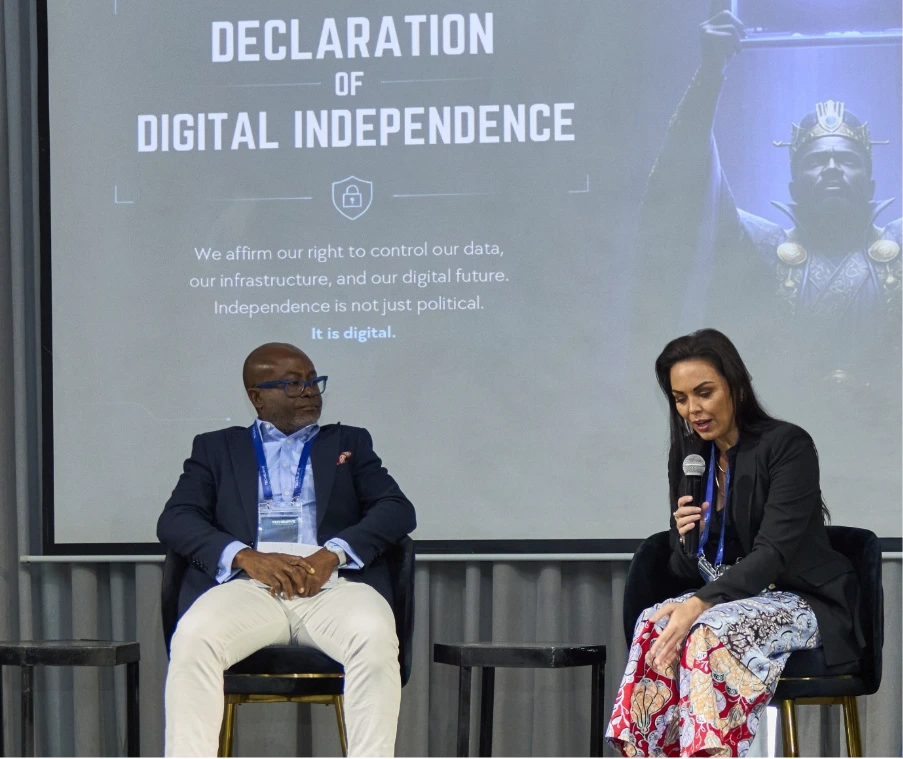
The general expectation from technology leaders is often that they are the first to adopt innovation. But for the most part, they are reluctant to embrace new technology that could affect mission-critical systems. The instinctive caution in adopting new technology can be as strong as the pressure to transform.
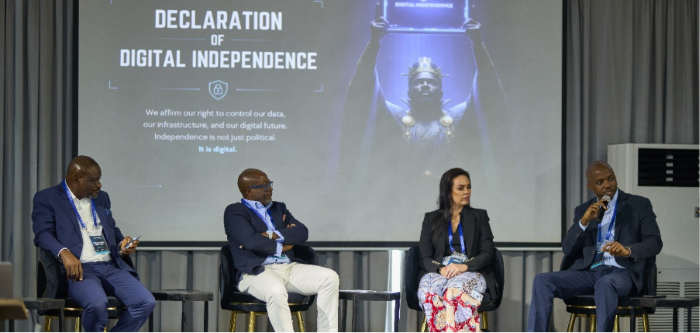
That tension was palpable at the recently concluded TechSurve event held at the heart of Nigeria’s economic capital, Lagos, as Mr Abdul-Azeez Musa, the CEO of BluDive Technologies Limited, challenged decision-makers to see beyond fear and reconsider their reluctance to adopt new technology. This was his viewpoint in an insightful panel session anchored on the courage to innovate.
Techsurve, the official distributor of enterprise-grade Postgres solutions in Africa and the Middle East, convened the roundtable to present its PostgreSQL database offering to the Nigerian and West African enterprise market. Beyond the Postgres itself, the session opened up a broader discussion on what drives, and what hampers enterprise technology adoption in the region. BluDive Technologies took part in that conversation, with Mr Musa raising the question that anchored much of the exchange: at what point does caution stop protecting a business and start holding it back from innovating?
Adopting new technology is not always a simple decision; fears will emerge around disruption, security, skills, migration, availability and the financial implications of change. Pressure on short-term profitability can make organisations reluctant to invest in technologies whose value and returns may only become evident over the medium to long term. These salient points can make technology leaders reluctant to move away from platforms and infrastructure they have used for a long duration.
However, Mr Musa argues that avoiding change altogether, cannot be the way forward. Instead, the challenge lies in evaluating the risks of transformation, managing them effectively, and determining whether remaining with the status quo may pose a greater business risk.
THE COST OF STAYING COMFORTABLE.
Legacy enterprise systems can be difficult to replace, as they are often deeply embedded in an organisation; applications run on these systems, employees understand them, and business processes have been built around them. In most instances, years of investment have gone into keeping them operational. It is normal for situations like this to create concern of disrupting a system that already works.
But like an old tech head once said, “working” does not necessarily mean “future-ready.” Businesses are demanding faster digital services, greater scalability, and more data capabilities. This implies that infrastructure decisions made years ago can become bottlenecks for current ambitions.
At the database layer, the need to adapt becomes obvious because this technology sits beneath most of the applications businesses run on, and cost and licences are important considerations when managing databases. This trend, among other factors, is why PostgreSQL is becoming popular across the technology landscape.
TechSurve’s 2026 Postgres Vitality Index reveals that Postgres is now the strategic choice for up to 55% of developers worldwide. But the enterprise question goes beyond a popularity contest. The central argument, however, is whether contemporary database platforms can deliver the performance, security, availability, compatibility, and support that production applications need.

FROM FEAR TO MANAGED TRANSFORMATION
Enterprise technology providers like TechSurve are working to address the gap between open-source innovation and enterprise-grade solutions.
TechSurve offerings are designed to add enterprise capabilities to PostgreSQL. This includes high availability, security, performance diagnostics, and 24/7 support. The platform can also be deployed across on-prem infrastructure, Kubernetes environments, and cloud platforms. This addresses some of the concerns that make decision-makers reluctant hesitant to change.
The idea is not to suggest that organisations should adopt every new technology entering the market. Rather, technology leaders need to ask a different question: is our reluctance based on a genuine business risk, or simply on familiarity with the existing environment? The answer to that question becomes important as organisations prepare for the new era of enterprise technology.
For BluDive Technologies, the conversation reflects the day-to-day realities of Nigerian businesses and, more broadly, the West African enterprise environment. It is an environment the company has worked in since 2014, providing systems integration, cybersecurity, cloud and infrastructure management, backup and disaster recovery, and managed IT support to organisations across the region. Adopting new technology is only one part of the journey. The other part is making well-informed decisions about which systems to run and how to run them, and that is where BluDive positions itself; helping businesses build the resilience, scalability and competitiveness that keep them ahead.