Follow Us on Google Discover
African startups seeking pre seed funding have been advised to set more realistic fundraising targets and focus on securing their first investor commitments,
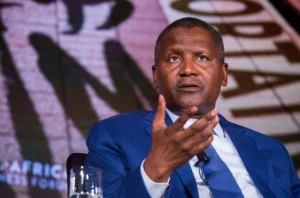
Co-founder and COO of Nigerian regtech startup Sidebrief, Abdulwaheed Yusuf, who gave the advice, warned that announcing a $1 million pre seed fundraising target when a startup has only secured an initial $20,000 commitment could make it harder to attract additional investors.
He made the remarks during a panel discussion themed The First Cheque: How African founders can unlock early-stage capital at GITEX Nigeria 2026 in Lagos.
What Yusuf is saying
Yusuf said founders need to align their fundraising targets with the kind of cheques they are realistically able to secure, particularly when raising their first round.
Also Read
He said one mistake founders make is announcing a large pre-seed target when the amount they have secured from their first investor is significantly smaller.
- “I think the mistake people make… you say you’re raising one $1 million as a pre-seed. But your first cheque is probably $20k,” he said.
According to Yusuf, the issue is not simply the size of the fundraising target but how realistic that target appears when compared with the commitments already secured.
He said a founder seeking $1 million could struggle to convince an investor to commit when only $20,000 had been secured.
- “How much you have committed? $20k? The investor is thinking there’s no way I’m reaching your goal,” he said.
Yusuf said founders should therefore focus on securing that initial commitment rather than becoming overly focused on a large headline fundraising target.
He described getting the first cheque as the metric that can make the rest of the fundraising process easier.
- “The biggest metric… is getting that first check-in,” he said.
He said the first commitment can make subsequent investor conversations easier because prospective investors can see that another investor has already backed the startup.
For startups raising their first round, Yusuf’s argument is therefore centred on building momentum from an initial commitment rather than starting with a large funding target that may be difficult to support with actual investor interest.
Get up to speed
African startup funding has slowed in 2026, with the value of capital raised falling 27% year-on-year in the first seven months of the year.
African startups raised $1.46 billion between January and July, compared with $2 billion during the same period in 2025.
The slowdown became more pronounced in July, when startups raised just $102 million across 44 deals, 60% below the $258 million monthly average recorded over the previous 12 months. Equity funding also fell to its lowest monthly level in more than seven years.
Nigeria has also seen a difficult funding environment. Startups in the country raised $78.6 million across 15 deals in the first quarter of 2026, down 28% from a year earlier. The top 10 startups accounted for almost 99% of the capital raised during the quarter.
This means that for many early-stage founders, attracting investor attention and securing commitments can be as important as setting a large fundraising target.
What you should know
Fintech remained the dominant sector for Nigerian startup funding in the first half of 2026, attracting $98.5 million across 21 deals, according to analysis by Nairametrics.
The sector accounted for 53.33% of the $184.7 million raised by Nigerian startups during the period, significantly ahead of other sectors in terms of capital attracted.
The figures point to the continued importance of fintech to Nigeria’s startup ecosystem, even as founders face a more challenging fundraising environment and investors become more selective about where they deploy capital.