Follow Us on Google Discover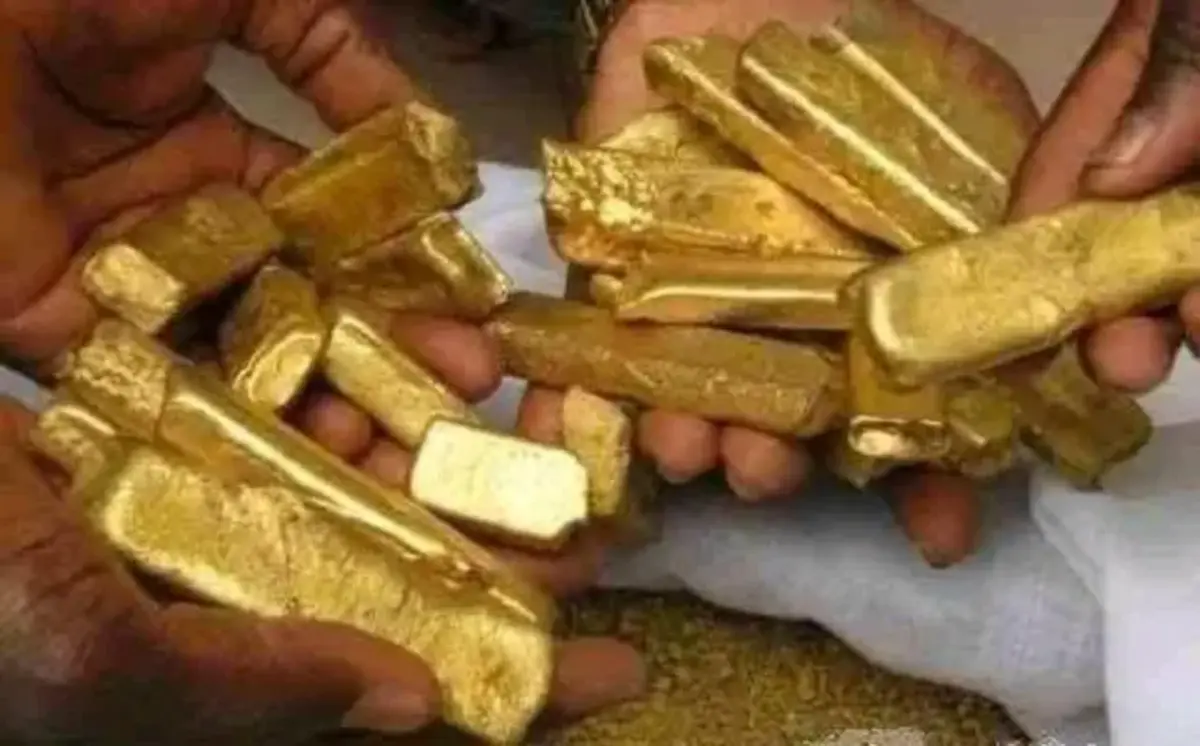
Gold last traded at N190,000 per gram in Nigeria (which is about N6.1 million per ounce) for 24k gold amid the ongoing tension between Iran and the United States
The precious metal in the global market recoups an early decline toward a four-week low of $4,320 marked in Wednesday’s early hours, rising back towards levels just above that level as the European session starts.
A soft pull-back in the US Dollar is providing a tailwind to the commodity; meaningful recovery looks limited as a September rate hike seems firmly in play at the US Federal Reserve (Fed), given mounting inflation pressures following tensions in the Middle East that sent crude oil to fresh multi-month highs and boosted the safe-haven Dollar against most of its peers.
Middle East risk escalating crude and demand for yellow metal being hit tensions between Iran and the US picked up after Sunday’s US hit on the Iranian-owned and operated rocket launchers at the southern tip of the Strait of Hormuz, near Larak Island.
This is the first such strike since late July, leading to an Iranian retaliation against US-owned facilities in the region.
This followed up on claims by US Central Command (CENTCOM) that US forces hit Islamic Revolutionary Guard Corps (IRGC) positions on Tuesday, in an escalation of a week that also saw Iran launch ballistic missiles and drones at American interests in Bahrain, Kuwait, and Jordan on Wednesday, raising Middle East risks.
Meanwhile, investors remain nervous that surging energy prices would reignite inflation concerns and prompt a more hawkish tone from leading central banks like the Fed. Further optimism was reflected at the Jackson Hole Symposium on Friday, where Fed Chairman Kevin Warsh’s statement sustained strong odds of a rate hike in Sep.
More importantly, fears around the debt crisis pushed the global bond sell-off to extremes, driving up the yield on the benchmark 10-year UST into Jan 2025, and acting as yet another catalyst that continues to drain interest away from Gold, a non-yielding asset, and supports a further depreciating trend going forward.
Nigeria’s Hidden Gold Rush
Much of Nigeria’s gold comes from thousands of small-scale miners (ASM) working informally in producing areas like Zamfara, Kebbi, and Niger State.
The Nigerian government has to date infused billions of Naira into acquiring gold domestically and formalizing the artisanal mining operations, thereby preventing outflow of precious metals and increasing local revenue accrual.
Unregistered diggers number hundreds of thousands across the region. Estimates of active Nigerian artisanal gold miners from artisanal miner databases have ranged well into tens of thousands in each major state cluster (i.e. Manually producing miners in artisanal mine settings through shallow mines and gold panning) compared to some of the available national government stats, (from sources such as NBS and data sets such as CEIC which typically recorded in order of magnitude 3,400 kg (3.4tonnes) produced in the country annually) for which informal and legal leakages are considered by trade groups to dwarf the recorded production.
Informal networks’ massive, localized currency flow has been documented through unofficial market tracking; some localized trade networks have been estimated to produce millions of US dollars daily in the north of the country.
Illegal mining and endemic gold smuggling cause Nigeria up to $9 billion in losses yearly, NEITI (Nigeria Extractive Industries Transparency Initiative) found. Destination of Flows- Most informally mined gold does not enter the formal financial economy of Nigeria; much is channeled out of the country through informal trading, often to entrepot cities such as Dubai, or the black market in the global economy.