Follow Us on Google Discover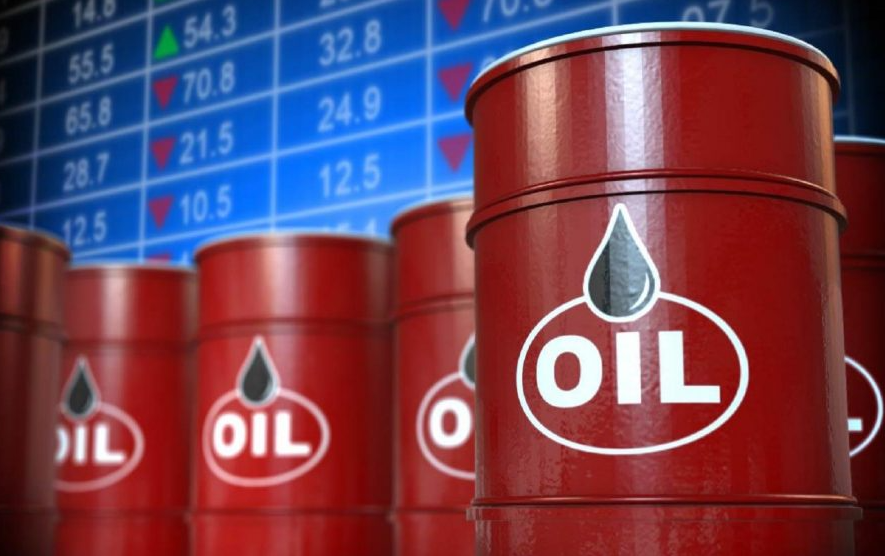
The price of Brent crude has fallen by nearly $9 per barrel in the past seven days, representing a decline of about 9.6%, as renewed efforts by Iran and Oman to restore navigation through the Strait of Hormuz ease fears of prolonged disruption to global oil supplies.
Brent crude futures fell to $86.28 a barrel on Wednesday, August 26, down $2.30, or 2.6%, while West Texas Intermediate (WTI) crude futures declined by $2.08, or 2.53%, to about $80.29 at the time of reporting.
The declines extended losses recorded on Tuesday, when both benchmarks fell by more than 3%.
The latest sell-off followed the resumption of discussions between Iran and Oman over the management of the Strait of Hormuz, with both countries working on a framework that could establish a temporary navigational corridor and facilitate the clearance of mines from the strategic waterway.
Also Read
Brent had traded as high as $95.40 per barrel on August 20, according to market data, before closing at $93.01 that day. At $86.28 on Wednesday, the benchmark was about $9.12 below that intraday high.
What they are saying
Iran said it had resumed discussions with neighbouring Oman on managing traffic through the Strait of Hormuz as Tehran faces increasing economic pressure from the administration of US President Donald Trump. The renewed engagement has created fresh expectations that the strategic waterway could begin reopening, although the strait remains largely disrupted.
- Iran and Oman said on Tuesday that they had discussed a framework for establishing a joint temporary navigational corridor through the strait and agreed to undertake a joint project to clear mines from the waterway. Technical negotiations are expected to continue over a permanent shipping corridor, future management arrangements and mechanisms for managing maritime traffic and navigation services.
The two countries have been holding intermittent discussions for weeks over how to manage traffic through the strategic waterway. Before the war, the Strait of Hormuz carried roughly one-fifth of global oil and liquefied natural gas shipments, making any sustained disruption a major threat to energy markets and a key driver of higher crude prices.
Get up to speed
On August 20, Trump announced what he described as “economic warfare” against Iran, warning countries, businesses and financial institutions that provide Tehran with an economic lifeline that they would face severe economic consequences.
The latest strategy marks a stronger shift towards economic pressure as Washington seeks to force Tehran back to negotiations after months of military confrontation failed to produce a decisive resolution to the conflict.
On Monday, the US expanded its sanctions campaign against Iran, targeting dozens of individuals, entities and vessels linked to Tehran’s oil, weapons and financial networks. The measures were part of what the Trump administration has described as an effort to cut off Iran’s economic lifelines and increase pressure on countries and businesses dealing with Tehran.
What you should know
For Nigeria, a sustained decline in crude prices could eventually provide some relief from the energy-driven cost pressures that have filtered through the domestic economy since the Iran conflict began.
- During the recent period of elevated oil prices, petrol prices in Nigeria moved above N1,200 per litre in some markets, increasing the cost of commuting and transporting goods.
- Lower transportation costs could also help moderate food prices by reducing the expense of moving farm produce from rural production areas to major consumption centres. This is particularly significant because food inflation remains one of the strongest sources of pressure on Nigerian households.
The latest National Bureau of Statistics data show that Nigeria’s headline inflation rate eased to 15.43% in July 2026 from 15.91% in June. However, food inflation moved in the opposite direction, rising to 20.31% year-on-year in July from 17.52% in June, while monthly food inflation accelerated to 5.56% from 3.75%.