Follow Us on Google Discover
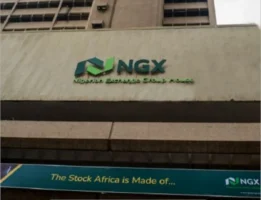
Nigeria’s stock market’s downward trend continued for the 7th day, with market valuation closing around N156 trillion on Wednesday, chopping off trillions of naira in equity value as the NGX index returned to near the 241,600-point level.
This market correction is largely caused by sector rotations; domestic institutional investors and fund managers reduce their capital exposure in Nigeria’s major market
Institutional funds have been moving out of the riskier assets as Nigerian fiscal policies adjust, and there are relatively more opportunities in the bond market yields to offer better and safer returns for investors, especially from banks, which are more exposed to higher interest rates and moving into the more traditional, and risk-averse, sovereign instruments.
The Nigerian banking index also posted localized profit-taking after sharp rallies induced by bank recapitalization programs, which are expected to continue; it is building good structural strength.
The typical approach by both institutional and retail investors is to book their profits to secure their gains and cause intermittent pullbacks on the major indices; some such are Zenith Bank, GTCO, Access and UBA
Current policy direction and adjustments on bank recapitalization requirements, the vagaries of the forex market, and changing macroeconomic outlook continue to foster a cautious investor mood, resulting in an extended market correction.
The negative sentiment has spread to other essential segments as well, pushing the Nigerian consumer goods and oil/gas indices lower, while general selling pressure prevails across all segments.
Conversely, the Oil & Gas sector has digested significant historical momentum, whereas the banking space is currently characterized by heavy accumulation.
Heavyweights in the Oil space like (Seplat, Aradel, etc.) appear to be consolidating as trading volume slows, and it’s natural for averages to catch up to their trading price; for example, the 50-day EMA.
Traders usually seek support for longs on the lower flank of the ongoing trading range, as they’d set stop-loss just below major moving average support levels.
Investors are still running to Nigerian Treasury Bills and government bonds, with yields at double-digit figures and ever higher levels given high inflation. Asset managers and pension funds have moved some of their money out of equities into government risk-free debt that guarantees high returns.
The CBN “ring-fencing” capital requirements and new “minimum capitalization” for big Bank Holdings companies had fueled concerns about capital shortages, with the market pricing the risk of new dilution if the big banks need to raise new capital.
Technical analysis
The weekly and monthly charts demonstrate a structurally strong undercurrent in the broad indices, with institutions selectively buying large-cap banking and heavyweight consumer discretionary names.
Major counters on the 14-day RSI are generally ranging between neutral and moderate bullish territory (avg in the mid-50s) as the indicators move away from extreme oversold conditions at previous quarterly highs.
Market liquidity continues to be held together by Tier 1 banking names. Expanding volumes at breakout points continue to reaffirm price upside, whereas contracting volumes on the recent shallow pulls suggest there is no strong selloff conviction.
Strategic outlook
Nigerian stocks seem to be in a healthy consolidation after the violent rallies witnessed at the beginning of the year. This is the sweet spot for a low-risk accumulation zone for the longs. Technical Analysts advise caution and to watch for a multi-tested weekly support level on blue-chip counters, as pullbacks to these levels are ideal entry points.
Volumes on the Nigerian Exchange can fluctuate heavily daily for stocks with non-major capitalized stocks; always double-confirm daily RSI divergences & volume growth on breakouts to bypass false signals