Follow Us on Google Discover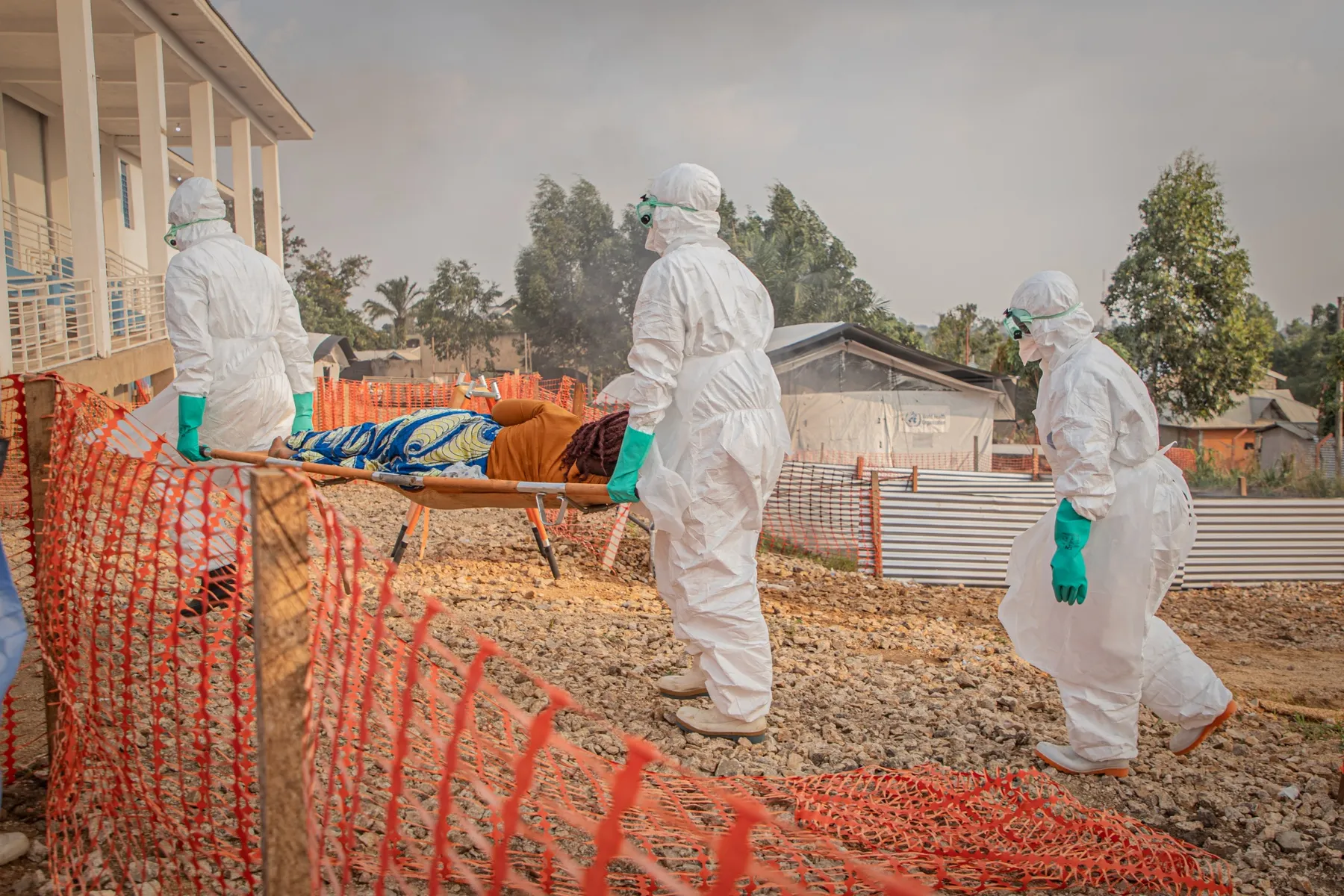
Movement of Ebola victims’ bodies across different parts of the Democratic Republic of Congo (DRC) is increasing the risk of further transmission as the country battles one of its worst outbreaks in recent years, a UN agency, the International Organization for Migration (IOM) has warned.
The IOM gave the warning on Friday as the Ebola outbreak continues to accelerate, with more than 2,000 confirmed cases and over 700 deaths recorded across the DRC and neighbouring Uganda as of July 14.
According to the IOM, the transportation of deceased victims to their home communities for burial has become a major challenge for health authorities attempting to contain the spread of the highly infectious virus.
What they are saying
An official of the IOM, Andrew Mbala said Ebola remains contagious after death, making the safe handling and burial of victims a critical part of outbreak response efforts.
Also Read
- “If we don’t really manage the dead bodies well, if we don’t engage the community, then it means there will be more spread within the community,” he said.
- The agency disclosed that surveillance teams stationed at health checkpoints and border crossings within the country have intercepted 105 bodies being transported between health zones.
- Each of the intercepted bodies was referred for laboratory testing before being handed over to trained burial teams for safe and dignified burial, the IOM said.
While there have been no reported cases of bodies crossing international borders, Mbala noted that movement within Congo remains widespread and poses a serious risk of introducing the virus into previously unaffected areas.
He cited an incident in which the transportation of a body contributed to new Ebola infections in Tshopo province, one of the latest regions affected by the outbreak.
More insight
The IOM said the epidemic, caused by the Bundibugyo strain of the Ebola virus, has expanded rapidly in recent weeks.
- According to the agency, the number of infections has increased by approximately 70% over the past two weeks, with health authorities recording an average of more than 40 new cases daily.
- The virus spreads through direct contact with the bodily fluids of infected people or animals and can cause symptoms including high fever, vomiting, diarrhoea and, in severe cases, internal and external bleeding.
Health officials noted that nearly two-thirds of Ebola-related deaths have occurred outside hospitals and treatment centres, complicating efforts to monitor cases and ensure safe burials.
According to the agency, teams responsible for conducting safe burials have encountered opposition from some communities and have, in certain instances, come under attack.
- “We have seen that in the community there is an element of resistance during the burials,” Mbala said.
The World Health Organization (WHO) added that although contact tracing efforts have improved, around one in five identified contacts of confirmed Ebola patients cannot currently be monitored due to insecurity and distrust of health workers.
What you should know
The latest warning follows growing concerns among international health agencies over the pace of the Ebola outbreak in eastern Congo.
- Earlier, seven American aid workers who responded to the Ebola outbreak in the Democratic Republic of Congo entered quarantine at a U.S.-backed isolation facility in Kenya despite a court order suspending activities at the site.
- The development reignited debate over regional preparedness and cross-border containment measures after protests by residents in Nanyuki over fears the facility could expose nearby communities to the virus.
The United States had also imposed temporary travel restrictions on its citizens in the DRC as the outbreak worsens. According to U.S. officials, American citizens in the DRC, as well as those who have recently departed the country, will be barred from boarding commercial flights to the United States under emergency transportation powers known as Title 49.