Follow Us on Google Discover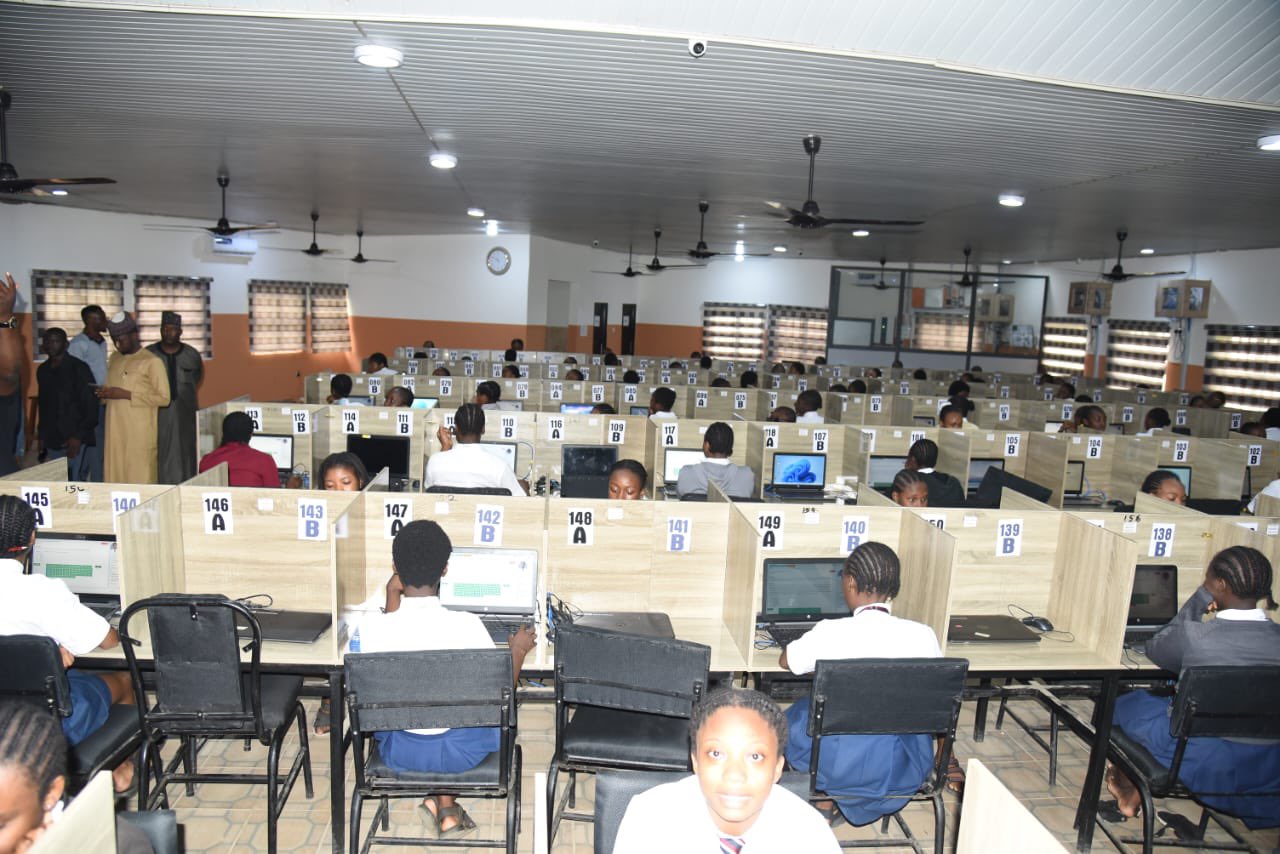
The National Examinations Council (NECO) has announced that the results of the 2026 Senior School Certificate Examination (SSCE) will be released by the first week of September or earlier.
The disclosure was contained in a statement issued by the Federal Ministry of Education on Wednesday.
The announcement came as the Federal Government commended the successful rollout of the Computer Based Test (CBT) for the 2026 SSCE, describing it as a major milestone in strengthening examination integrity and advancing digital transformation in education.
What they are saying
According to the statement, the Minister of State for Education, Professor Suwaiba Sa’id Ahmad, expressed satisfaction with the smooth conduct of the CBT examination after monitoring the exercise in Abuja, noting the absence of technical disruptions and the positive response from candidates.
She said the CBT format enhances examination credibility by randomising questions, reducing opportunities for malpractice and promoting merit-based assessment.
- The statement said, “NECO Registrar, Professor Ibrahim Dantani Wushishi, revealed that 1,378,048 candidates registered for the 2026 SSCE, including over 700,000 female candidates, and announced that results are expected by the first week of September 2026 or earlier.”
Professor Ahmad reaffirmed the Federal Government’s commitment to expanding CBT nationwide through a gradual and inclusive approach, assuring Nigerians that no student would be disadvantaged due to inadequate infrastructure or limited access to technology.
She disclosed that the Ministry is working with the National Assembly, state governments and private sector partners to strengthen nationwide CBT infrastructure.
The Federal Government reiterated its commitment to leveraging technology to improve examination integrity, learning outcomes and build a globally competitive education system.
Get up to speed
In April 2025, the Minister of Education, Dr. Tunji Alausa, announced that the West African Examinations Council (WAEC) and the National Examinations Council (NECO) would fully adopt Computer-Based Testing (CBT) for their examinations beginning with the May/June 2026 examination diet.
He explained that the transition would begin with objective papers before extending to essay questions, with full CBT implementation covering both objective and essay components from the 2026 examination cycle.
According to Alausa, the transition forms part of the Federal Government’s broader efforts to improve examination credibility, eliminate malpractice and align Nigeria’s assessment system with global best practices.
With the CBT rollout now underway, the Ministry of Education has also been reviewing other policies affecting candidates sitting for the SSCE.
What you should know
Earlier this week, the Federal Government suspended its proposed increase in registration fees for the 2027 West African Senior School Certificate Examination (WASSCE) and the National Examinations Council (NECO) Senior School Certificate Examination (SSCE) following widespread public backlash.
- Under the proposal, candidates would have paid a uniform registration fee of N50,000 for both examinations from 2027, representing an 82% increase from the current N27,500 fee.
- However, the Ministry of Education withdrew the June 18, 2026 letter conveying the proposed adjustment to allow for broader consultations with examination bodies, state ministries of education, school proprietors, parents’ associations, organised labour and other stakeholders before a final decision is taken.
The ministry explained that the proposed increase was driven by rising operational costs over several years, including logistics, security, printing of examination materials, technology deployment and quality assurance. However, it acknowledged that concerns raised by Nigerians warranted a pause in the process.
It added that the consultation is intended to ensure that any future decision on examination registration fees is fair, sustainable, transparent and responsive to prevailing realities while safeguarding access to education.