
 Follow Us on Google Discover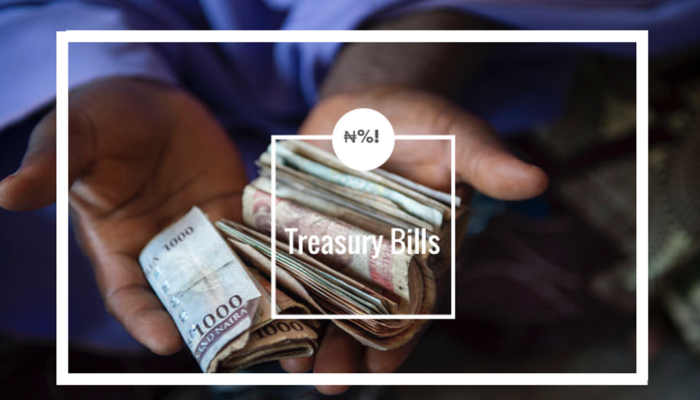
On July 8, 2026, the Central Bank of Nigeria conducted another Treasury Bills auction, and the results again showed that investors are favouring longer-dated bills in a high-interest-rate environment.
The government offered N700 billion in bills across three tenors, but demand for the longer-dated security stood out. In the end, the CBN allotted N1.06 trillion, significantly higher than the amount offered.
The most notable development was the rise in the stop rate on the 364-day bill to 17.70%, up from 17.34% in the previous auction held in mid-June.
This increase, though just 36 basis points, continues a trend that started a few auctions ago. Investors appear willing to accept higher rates to lock in returns for a full year.
Also Read
Allocation analysis
The 364-day bill received subscriptions worth N1.86 trillion against an offer of N500 billion, making it oversubscribed by more than three times. In the end, the CBN allotted N935.32 billion of this tenor alone. Many investors prefer to tie up their money for twelve months at 17.70% rather than roll over shorter-term bills at lower rates.
The strong demand for the 364-day bill has been consistent throughout 2026, as many see it as a good balance between locking in a decent rate and not tying up their money for too long.
With the stop rate now at 17.70%, those who successfully got allotments in this auction can enjoy this return until July 2027, assuming they hold the bills to maturity.
In contrast, the 182-day bill struggled to attract interest. The CBN had offered N100 billion, but subscriptions totalled only N29.94 billion, making it the only undersubscribed tenor in the auction.
The stop rate remained unchanged at 16.50%. Investors do not seem excited about parking their money for just six months at this rate, especially when they can get a better return from the one-year bill. The weak demand for the mid-tenor bill indicates that investors are selective about where they invest.
The 91-day bill performed better than the 182-day paper. It was oversubscribed, with subscriptions reaching N146.54 billion against the N100 billion on offer. The CBN allotted N115.38 billion, and the stop rate edged up slightly to 16.30%.
While there was decent demand for the short-term bill, its rate moved very little compared to the sharp jump in the 364-day bill. This keeps the short end stable while investors push harder for higher yields on longer tenors.
One key reason for this behaviour is the current interest-rate environment in Nigeria. With the Monetary Policy Rate still at 26.5%, many investors see Treasury Bills as one of the safest ways to earn decent returns while protecting their money from inflation.
At 17.70% on the one-year bill, the return is attractive enough for conservative investors who do not want to take the risk of investing in stocks or other volatile assets. This helps explain why demand has remained strong on the longer end of the curve in recent auctions.
The CBN is also managing liquidity
Another important point is that the CBN appears to be using these auctions to manage liquidity in the banking system.
In this auction, more money was taken out of the system than matured. This net withdrawal may help the central bank keep a tight grip on inflation. By offering higher rates on longer tenors and attracting heavy subscription demand, the CBN can pull excess cash out of circulation. This strategy has been consistent in recent months as the apex bank continues its fight against rising prices.
For investors
For everyday investors, especially salary earners and those looking for safe places to park their money, the rising rate on the one-year bill presents both an opportunity and a signal. The opportunity lies in the fact that they can now earn a higher risk-free return than they could a few months ago.
However, the signal is that the CBN is not in a hurry to cut interest rates anytime soon. As long as inflation remains elevated, the central bank will likely keep rates high, which means Treasury Bill yields may remain attractive for some time.
Looking ahead, the CBN has indicated it plans to sell another N600 billion in Treasury Bills on July 15. With fewer maturities expected around that period, the central bank may continue withdrawing liquidity from the system. This could put further pressure on rates, especially if demand remains strong on the longer end.
In summary, the July 8 auction reinforces a clear trend that has been building in recent months: Nigerian investors are increasingly favouring the one-year Treasury Bill to lock in higher yields in a high-interest-rate environment.
The sharp rise in the 364-day stop rate shows that investors are willing to commit for longer periods when the reward is better. For now, the fixed income market continues to offer attractive returns for those who prefer safety over high-risk investments.
How long this trend will last depends largely on how inflation and monetary policy evolve in the second half of the year.


Government borrowing is crowding out private borrowing, no money for Private firms to borrow at rates that would stimulate economic activity and growth. No developed economy keeps rates high just so government can keep borrowing. This approach to monetary policy is not sustainable