Follow Us on Google Discover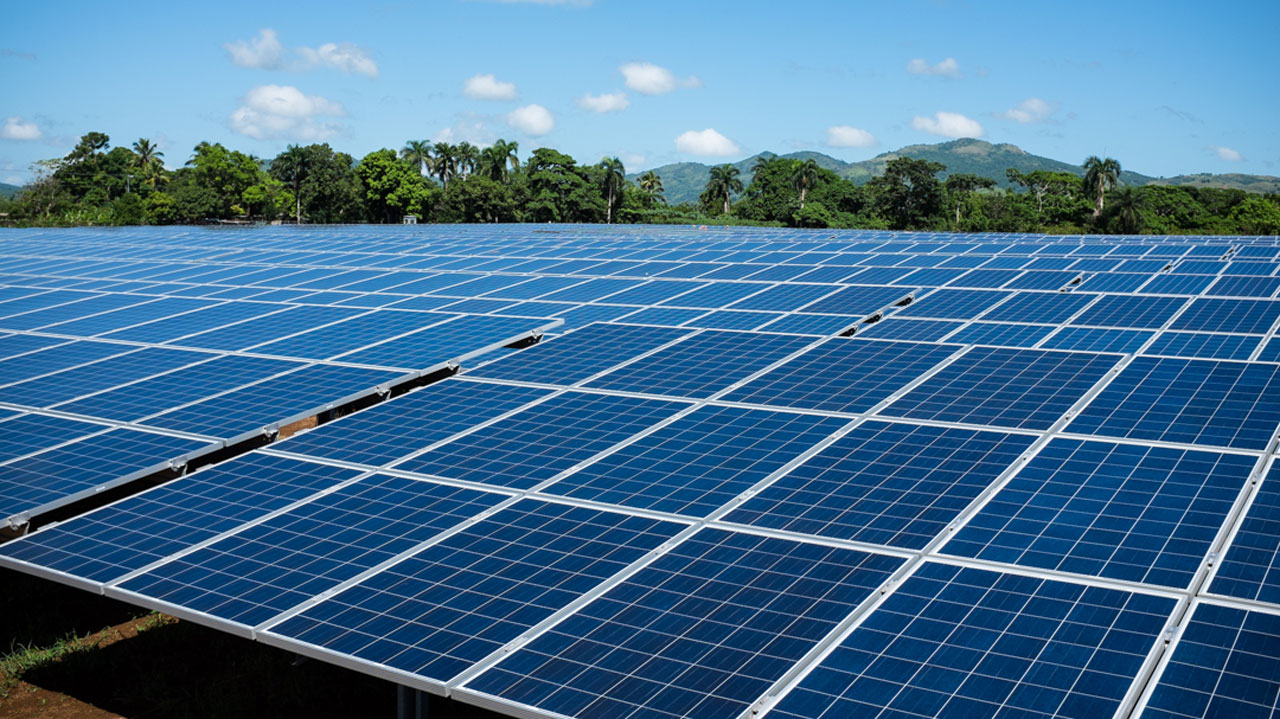
Pan-African renewable energy company WeLight has announced plans to invest $650 million (approximately N975 billion) in expanding solar mini-grid infrastructure across Nigeria, targeting communities with limited or no access to reliable electricity.
The investment plan was disclosed in a post by Special Assistant to the President on Social Media, Olusegun Dada, on X.
According to the company, the initiative is designed to increase its rural customer base tenfold while accelerating access to clean and reliable energy in underserved parts of the country.
What they are saying
WeLight, which operates decentralized solar mini-grids across several African countries, said the expansion will focus on communities that remain underserved by Nigeria’s national electricity grid.
Also Read
The company plans to deliver electricity directly to households and businesses through localized solar power systems, reducing dependence on the centralized transmission network operated by the Transmission Company of Nigeria.
The move comes as many communities continue to rely on diesel and petrol generators due to inadequate grid supply and recurring disruptions to the national power system.
According to the company, the investment will fund the deployment of solar photovoltaic infrastructure and lithium-ion battery storage systems capable of providing continuous electricity to connected communities.
More insights
Unlike conventional grid expansion projects that require extensive transmission infrastructure, solar mini-grids generate and distribute electricity within the communities they serve.
WeLight said each installation will be tailored to local demand, helping to reduce transmission losses while ensuring communities remain insulated from disruptions affecting the national grid.
The company added that priority will be given to rural and agrarian communities where access to reliable electricity can support productive economic activities such as agricultural processing, irrigation, cold-chain storage, and small-scale manufacturing.
The planned expansion is expected to connect both residential and commercial users, significantly increasing electricity access in areas that have historically lacked reliable power infrastructure.
Addressing Nigeria’s electricity access gap
Nigeria continues to face a substantial electricity deficit, with millions of households and businesses relying on self-generation because of inadequate grid supply.
Off-grid renewable energy solutions, particularly solar mini-grids, have increasingly been promoted by government agencies, development finance institutions, and private investors as a practical way to bridge the access gap.
WeLight cited successful mini-grid deployments in East Africa as examples of the model’s effectiveness. In Kenya, the Rural Electrification and Renewable Energy Corporation has partnered with private developers to deploy solar mini-grids in counties including Turkana, Garissa, and Marsabit.
According to the company, the Nigeria initiative is built around four key objectives:
- Deploying $650 million in capital
- Increasing connected users tenfold
- Serving communities that currently depend on diesel-powered electricity
- And expanding decentralized solar generation supported by battery storage technology.
The company has not yet disclosed a timeline for implementation or the specific financing structure for the project.
What you should know
The announcement comes weeks after WeLight revealed it had secured $31 million in new funding to accelerate its expansion into Nigeria and other African markets.
The investment followed the acquisition of a stake in the company by the International Finance Corporation, the private-sector investment arm of the World Bank Group, alongside existing shareholders.
The funding forms part of broader efforts by governments, development finance institutions, and private investors to expand electricity access across Africa, particularly in countries such as Nigeria and Democratic Republic of the Congo, which account for some of the world’s largest populations without reliable access to electricity.