Follow Us on Google Discover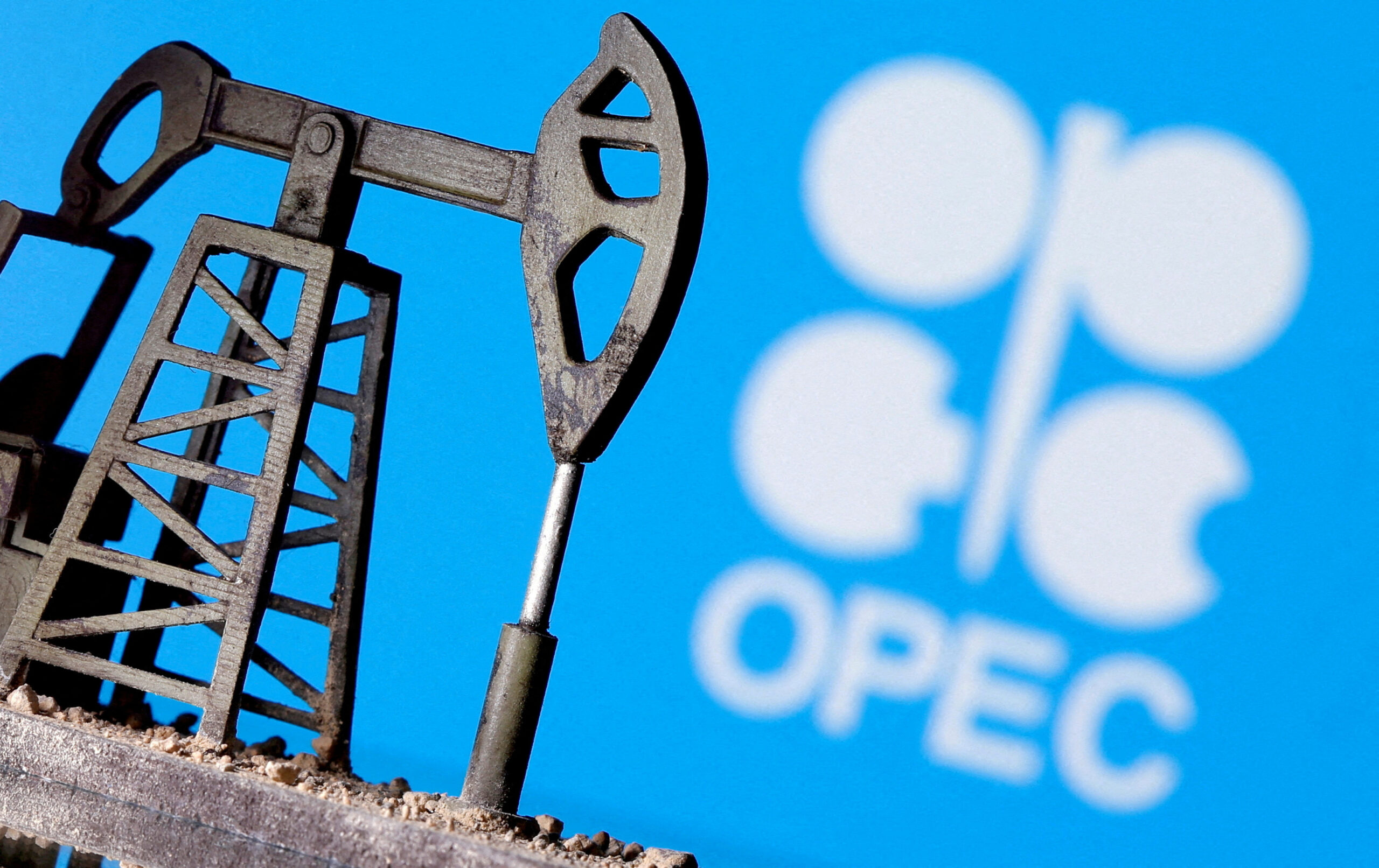
The Organization of the Petroleum Exporting Countries and its allies (OPEC+) have approved another 188,000 barrels per day (bpd) increase in oil production quotas for August, extending its phased plan to gradually restore crude supplies to the global market.
The decision was announced in a statement issued by OPEC+ on Sunday following a virtual meeting of seven participating member countries—Saudi Arabia, Russia, Iraq, Kuwait, Kazakhstan, Algeria and Oman.
The August increase is identical to the 188,000 bpd production hike approved for July, marking the third consecutive monthly increase of the same volume.
What they are saying
According to OPEC+, the seven participating countries agreed to implement “a production adjustment of 188 thousand barrels per day” from August as part of the gradual phase-out of the additional voluntary production cuts first announced in April 2023.
- The group said the phased increase is intended to support oil market stability, stressing that the production adjustments “may be returned in part or in full subject to evolving market conditions and in a gradual manner.”
- It added that member countries would continue to “closely monitor and assess market conditions” while retaining “full flexibility to increase, pause or reverse the phase out of the voluntary production adjustments” if necessary.
OPEC+ also said the latest increase would give participating countries an opportunity to accelerate compensation for previous overproduction, reaffirming their commitment to fully comply with the Declaration of Cooperation and compensate for any excess production recorded since January 2024.
The group added that the seven participating countries will continue holding monthly meetings to review market conditions, production compliance and compensation, with the next meeting scheduled for August 2, 2026.
Get up to speed
The August increase follows two similar production adjustments approved by OPEC+ in recent months.
- In May, the alliance approved a 188,000 bpd increase in production quotas for June, while confirming that seven participating countries, led by Saudi Arabia and Russia, would implement the adjustment. The decision also coincided with the United Arab Emirates’ exit from the producers’ alliance.
Again in June, OPEC+ approved another 188,000 bpd increase for July, despite supply disruptions linked to the U.S.-Iran conflict and reduced oil exports through the Strait of Hormuz.
What you should know
Nigeria continues to work towards increasing crude oil production as it seeks to meet its fiscal targets.
- According to the latest official data, the country’s combined crude oil and condensate production averaged 1.73 million barrels per day in May, while natural gas production stood at 7,774 million standard cubic feet per day.
- Despite maintaining relatively stable production, the Nigerian National Petroleum Company Limited (NNPC Ltd.) recorded weaker financial performance during the month.
- According to its May 2026 Operational and Financial Report, revenue declined to N4.335 trillion in May from N4.97 trillion in April, while profit after tax fell to N462 billion from N481 billion, reflecting the impact of softer oil market conditions.
- For the 2026 fiscal year, the Federal Government benchmarked crude oil production at 1.84 million barrels per day, while projecting an upper target of 2.06 million barrels per day. The budget is also anchored on an oil price benchmark of $64.85 per barrel and an exchange rate ranging from N1,400 to N1,512 per U.S. dollar.
Meanwhile, Brent crude traded at around $72 per barrel on Friday, well below the recent peak of over $120 per barrel, as easing supply concerns and recovering oil exports from the Middle East continued to weigh on prices. This means any sustained increase in OPEC+ output could further pressure global oil prices, with implications for oil-exporting countries such as Nigeria, whose government revenues remain heavily dependent on crude oil sales.