Follow Us on Google Discover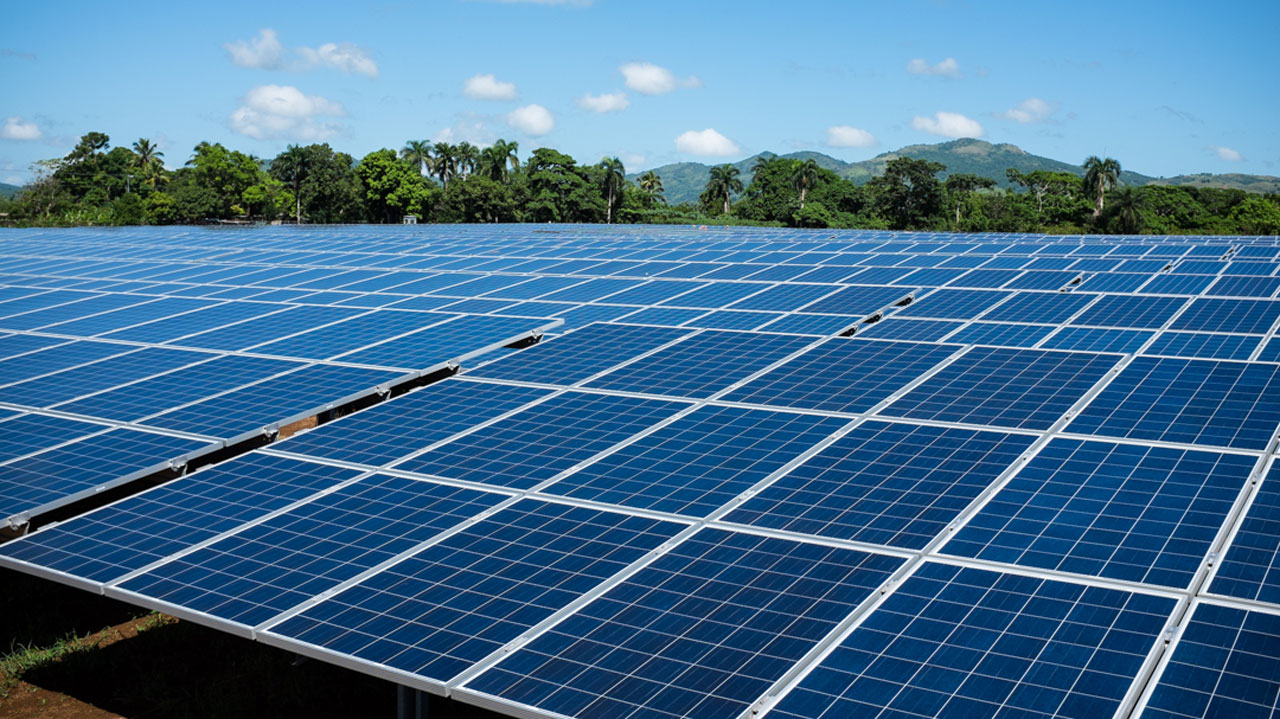
Africa’s largest solar mini-grid operator, WeLight, has raised $31 million to accelerate its expansion into Nigeria, as the company seeks to deepen electricity access across some of the continent’s most underserved communities.
The funding was disclosed by the company on Tuesday after the International Finance Corporation (IFC), the World Bank Group’s private-sector investment arm, acquired a stake in the business alongside existing shareholders.
The investment comes as governments, development finance institutions and private investors intensify efforts to close Africa’s electricity access gap, particularly in countries such as Nigeria and the Democratic Republic of Congo, which account for the world’s two largest populations without access to electricity.
What they are saying
According to WeLight, the new funding will support its expansion plans, strengthen its presence in new markets and position the company for a larger phase of growth.
- The company said the investment “will allow WeLight to accelerate its development, extend its geographic presence and prepare a new phase of growth at greater scale.”
Founded in 2018 by Axian Group, Sagemcom and Norfund, WeLight develops and operates solar-powered mini-grids that provide electricity to communities outside national power networks.
The company currently operates primarily in Madagascar and Mali, where it runs nearly 190 mini-grids serving more than 800,000 people.
More insights
WeLight’s planned expansion into Nigeria comes at a time when the country continues to grapple with one of the world’s most severe electricity access challenges.
- It is estimated that about 90 million Nigerians lack access to electricity, representing the largest energy access deficit globally. This means roughly 40% to 42% of the country’s population remains without power, with the crisis disproportionately affecting rural communities where electrification rates are significantly lower.
- Even among households and businesses connected to the grid, many continue to struggle with unreliable and unstable electricity supply.
- This year alone, Nigeria has experienced at least two major national grid collapses. The first occurred on January 23, while the second happened four days later, plunging millions of people into darkness.
However, recurring grid failures and gas supply constraints affecting power generation are longstanding challenges.
In 2024, the national grid reportedly collapsed 12 times, averaging one collapse every month. The trend persisted in 2025, with several additional collapses recorded during the year.
What you should know
Efforts to improve Nigeria’s electricity sector, including the Electricity Act signed into law by President Bola Tinubu in 2023, which empowers states to generate, transmit, distribute and regulate electricity within their jurisdictions, are yet to fully deliver the expected transformation in power supply.
- Similarly, continent-wide initiatives such as Mission 300 — a joint programme of the World Bank and African Development Bank (AfDB) launched in 2024 to provide electricity access to 300 million Africans by 2030 — have made notable progress, although significant access gaps remain in Africa’s most populous nation.
- In late January, the African Development Bank approved a $3.9 million, two-year project to support Nigeria and 12 other African countries in implementing energy compacts under the Mission 300 initiative.
More recently, in mid-June, Nairametrics reported that the World Bank and AfDB announced that Mission 300 had connected more than 50 million people to electricity across 40 countries, nearly two years after the programme was launched.