Follow Us on Google Discover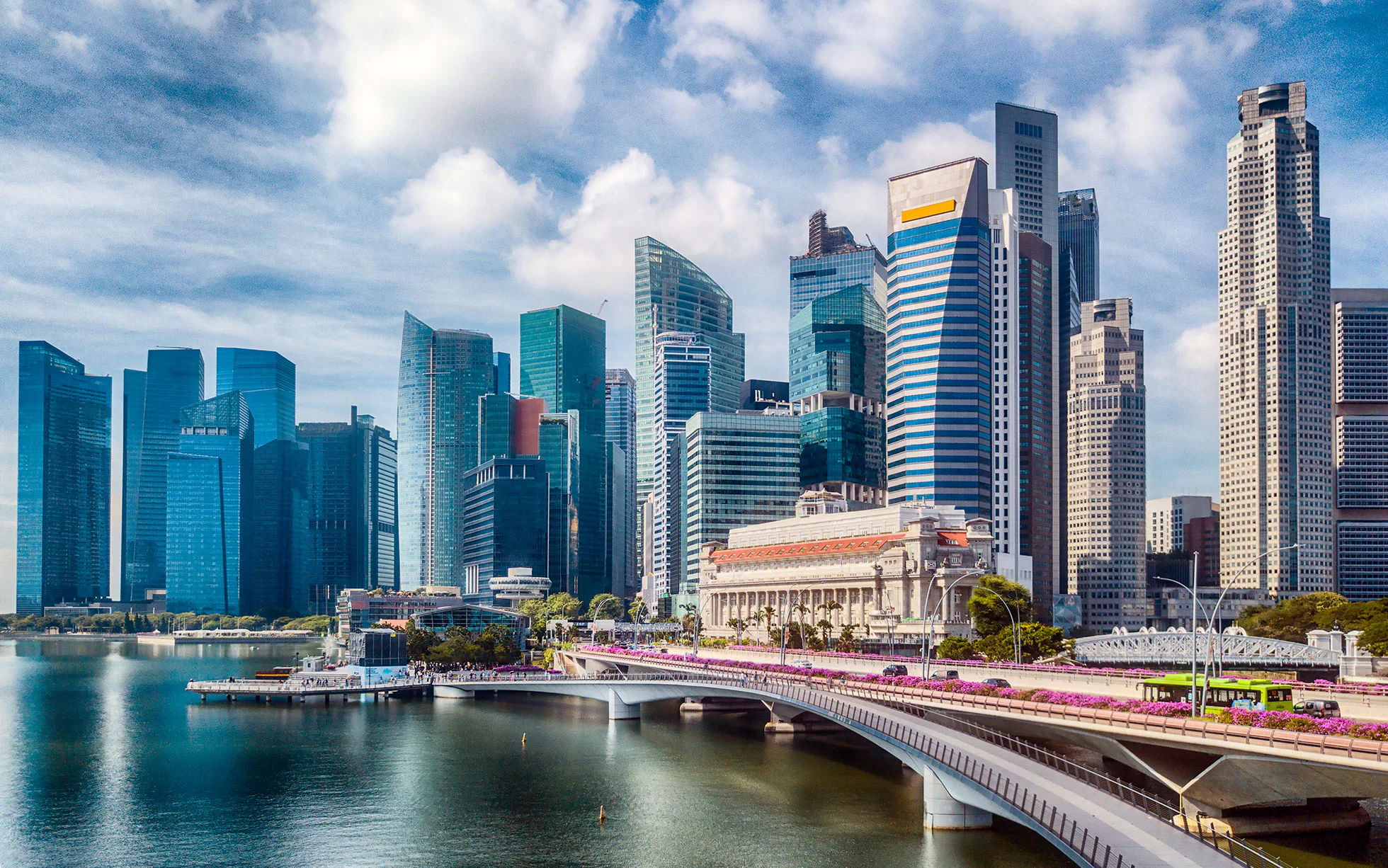
The cost of maintaining a luxury lifestyle for high-net-worth individuals (HNWIs) increased by an average of 10.2% over the past year, with Singapore retaining its position as the world’s most expensive city for wealthy residents, according to the 2026 Julius Baer Lifestyle Index.
The annual index, which tracks the prices of 20 luxury goods and services across 25 global cities, found that rising property prices, stronger currencies and higher costs for premium goods continued to reshape the global cost of wealth.
The Lifestyle Index measures the cost of a basket of luxury expenses, including residential property, private school fees, healthcare, watches, jewellery and luxury vehicles, providing a snapshot of how much it costs wealthy individuals to maintain their lifestyles in different financial centres.
What the report is saying
Singapore held onto the number one position for another year, supported largely by its high residential property and vehicle prices, the two most heavily weighted categories in the index.
The city-state also benefited from the continued strength of the Singapore dollar against the U.S. dollar. While domestic price increases remained relatively modest, currency appreciation pushed overall costs for international buyers broadly in line with the global average increase of about 10% when measured in U.S. dollar terms.
- Zurich climbed three places to rank second, driven primarily by the appreciation of the Swiss franc rather than sharp increases in local prices.
- No major spending category in the Swiss city recorded an increase of more than 8% in local currency, but the franc’s status as a safe-haven currency significantly boosted Zurich’s position in the rankings.
- Monaco entered the top three for the first time, overtaking Hong Kong, largely due to its exceptionally expensive residential property market and the strength of the euro.
- Sydney posted the biggest improvement in this year’s rankings, jumping six places to eighth position. According to the report, the city’s rise reflects both a stronger Australian dollar and Australia’s geographical isolation, which increases the cost of importing premium goods.
London and Dubai slip
In contrast, London dropped to fifth place after ranking among the most expensive cities in 2025. The report attributed the decline largely to the British pound moving broadly in line with the U.S. dollar, limiting the city’s increase in costs when expressed in dollar terms.
Dubai also slipped to 14th place. However, the report noted that the decline does not necessarily indicate falling living costs, but rather reflects faster price increases in other global cities. The UAE dirham’s peg to the U.S. dollar also influenced the emirate’s relative positioning.
More insight
The report highlighted a sharp rise in luxury goods prices, which increased by an average of 12.3% over the past year.
Jewellery prices rose 16.4%, while watches became 15.5% more expensive, largely reflecting the surge in global gold prices, which have more than doubled since 2024.
Higher costs for leather, precious metals, skilled craftsmanship, logistics and currency movements also contributed to the increase, while luxury brands continued raising prices to preserve exclusivity and maintain pricing consistency across global markets.
What you should know
Julius Baer noted that although the direct impact of recent geopolitical tensions in the Middle East was not reflected in the latest data, changes in global trade patterns and protectionist policies including U.S. tariff measures introduced over the past year—have indirectly influenced costs.
- A previous Nairametrics report showed that Abu Dhabi, Dubai and Singapore emerged as the leading destinations for high-net-worth individuals (HNWIs) seeking to relocate to tax-friendly, politically stable and strategically governed cities to preserve and grow their wealth.
- The findings were contained in Multipolitan’s Wealth Report 2025: The Taxed Generation, which introduced the inaugural Tax-Friendly Cities Index 2025.
The report ranked Abu Dhabi and Dubai as the world’s top two tax-friendly cities, citing their investor-friendly tax regimes, strong governance, legal certainty and business-friendly policies. Singapore placed third, further cementing its reputation as a preferred hub for globally mobile wealthy families.