Follow Us on Google Discover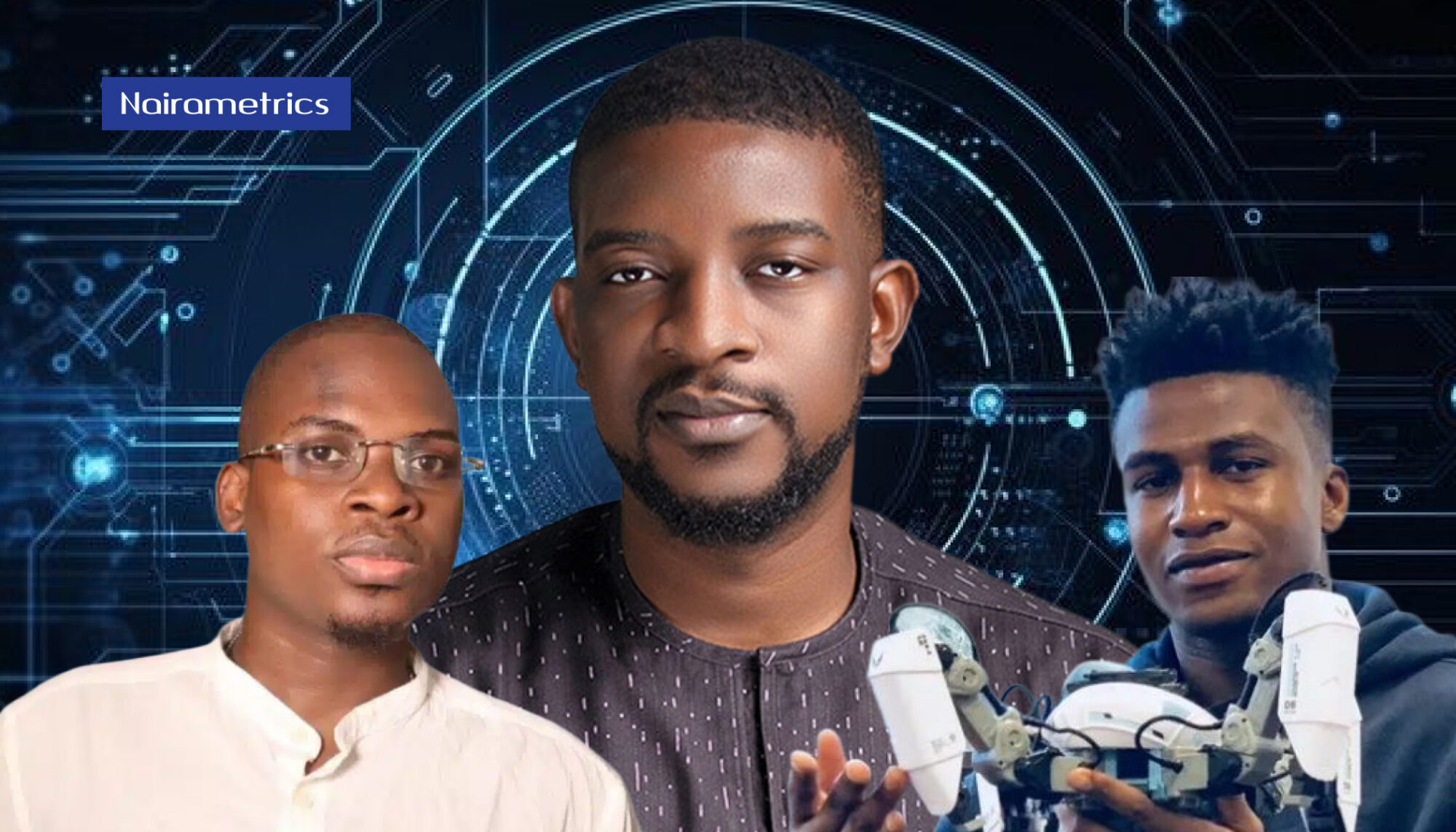
For years, Nigeria and much of Africa have been seen primarily as consumers of artificial intelligence rather than builders. That is now changing.
The Nigerian AI space has witnessed a quiet but significant shift in recent years.
A new generation of founders is emerging, creating AI systems rooted in local realities but built with global relevance.
Nigerians are now building AI systems that are diagnosing babies’ cries, and putting a large language model trained on Yoruba, Hausa, and Igbo in front of developers at the United Nations General Assembly.
In this article, Nairametrics spotlights 10 AI founders whose works are changing the narrative in the AI industry and positioning Nigeria as a force to reckon with in the global tech space.
10. Saheed Azeez – YarnGPT
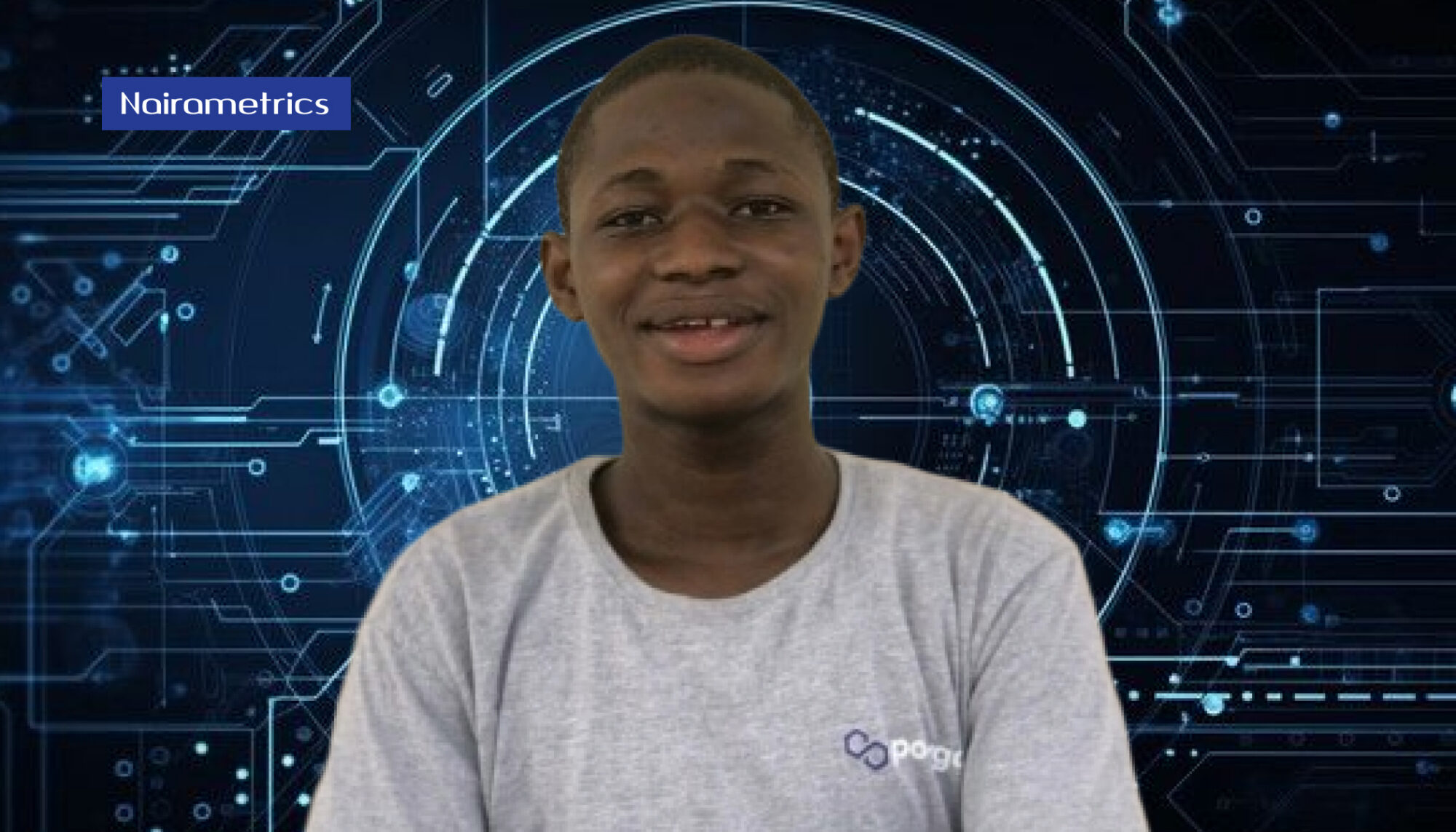
Saheed Azeez is the creator of YarnGPT, a text-to-speech artificial intelligence model that is capable of translating English and other foreign languages into Nigerian accents and at least four indigenous languages, including Hausa, Igbo, and Yoruba.
Azeez first drew attention in 2023 as the first runner-up at the Bluechip Data and AI Hackathon. In 2025, he finished building a text-to-speech model trained on an instinct for local authenticity. That model became YarnGPT.
Instead of relying on the clipped, generic-sounding adapters most TTS systems use, YarnGPT used pure language modelling to generate speech in a set of distinctly Nigerian voices and could dub an English-language video into Yoruba, Igbo, or Hausa within minutes. It could also turn a written news article into something closer to a podcast.
In June 2026, at the third edition of its own Data and AI Summit at Eko Hotel & Suites in Lagos, Bluechip Technologies, the pan-African IT firm co-founded by Olumide Soyombo and Kazeem Tewogbade, announced on stage that it had acquired YarnGPT outright.
Tewogbade later explained the logic plainly: Bluechip had been quietly trying to build its own internal tool for converting text into local dialects, and decided there was no point starting from zero when a working engine already existed.
Financial terms of the acquisition were not disclosed, but for an ecosystem more used to watching its brightest builders get scooped up by foreign accelerators, a homegrown hackathon project getting bought by a homegrown company was, by most accounts at the summit, exactly the kind of proof of concept Nigeria’s AI scene needed.
9. Tobi Olatunji and Olakunle Asekun – Intron Health
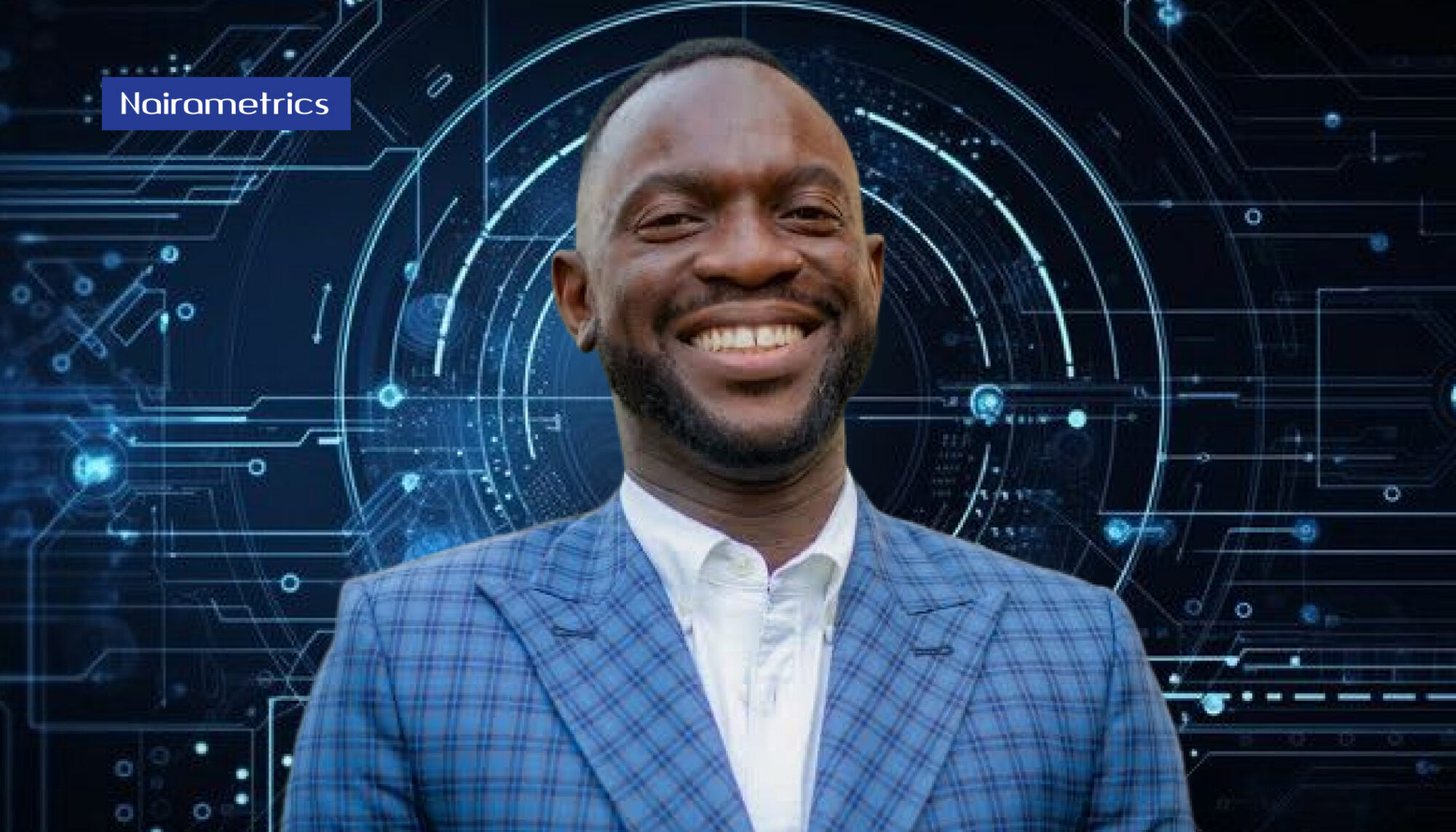
Tobi Olatunji and Olakunle Asekun are the founders of Intron Health, a healthcare AI system that converts doctors’ speech into structured medical records, designed for clinical environments in African hospitals.
Rather than adapt an existing speech-recognition tool built for American or British voices, the founders decided to train their own model on African accents from scratch. What began with a handful of hospitals in Nigeria, Kenya, Ghana, and South Africa has since become Sahara, a suite of proprietary voice AI products.
The company raised $1.6 million in a pre-seed round in mid-2024, led by Microtraction, with participants including Octopus Ventures and Plug and Play Ventures. It joined NVIDIA’s Inception programme and struck research partnerships with Google Research and the Gates Foundation.
By early 2026, Intron revealed that Sahara had expanded to cover 57 languages, built from a proprietary dataset the company says exceeds 14 million audio clips gathered from over 40,000 speakers across 30 African countries. It also said it served more than 40 organisations in 8 countries.
8. Adebayo Alonge – RxAll
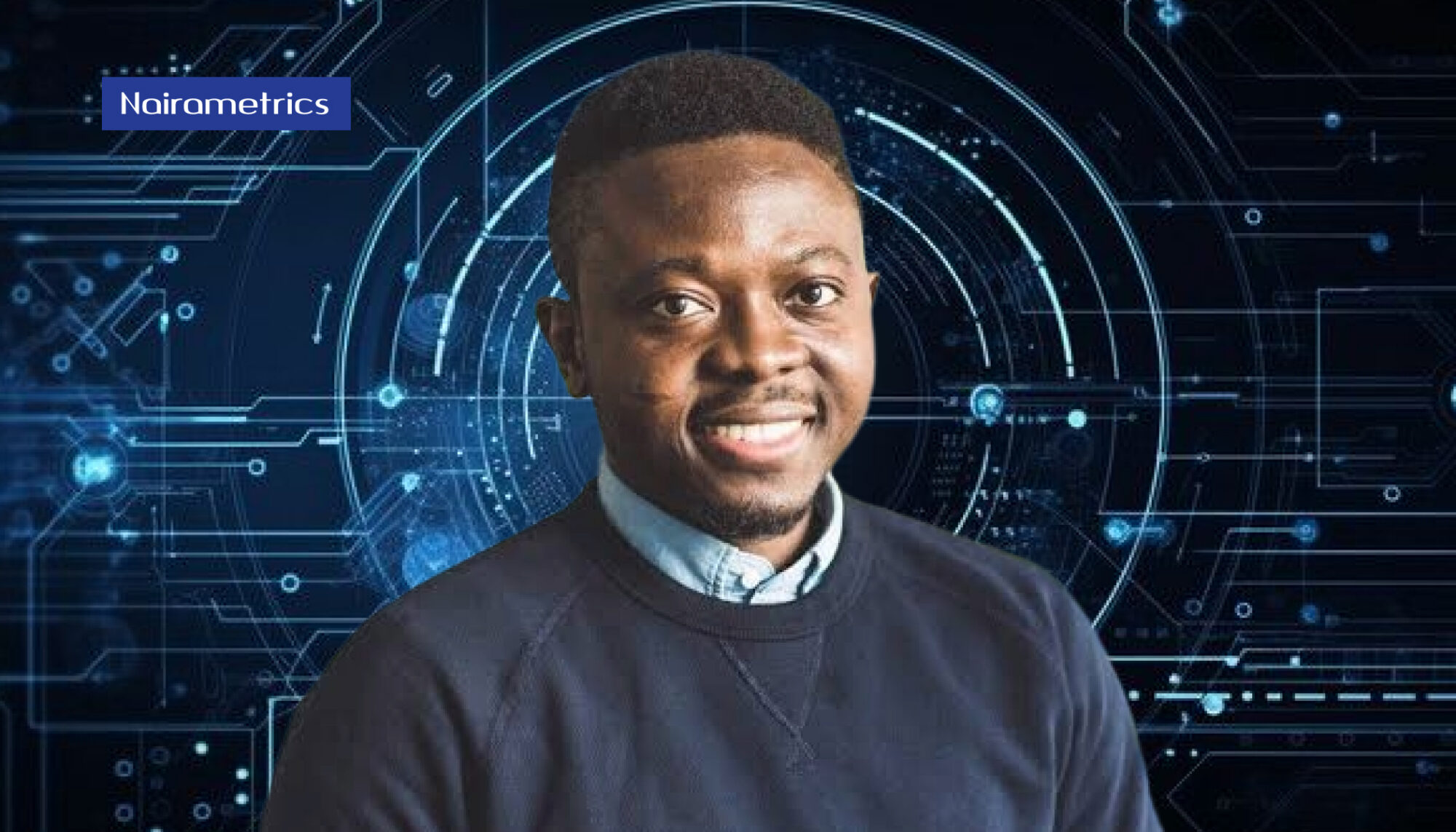
Adebayo Alonge, Amy Kao and Wei Liu, are the co-founders of RxAll. The three met at the Yale School of Management, and together, in 2016, they founded RxAll to solve the problem of counterfeit drugs.
They created a handheld device called the RxScanner, a nano-spectrometer that reads a drug’s molecular signature and runs it through a machine-learning model trained to compare that signature against known genuine samples.
A pharmacist can scan a tablet and get a verdict on its authenticity in about twenty seconds, all through a connected mobile app, without needing laboratory equipment.
RxAll went on to raise $3.15 million in a seed round in 2021, led by SOSV’s hardware accelerator HAX, and built out a wider ecosystem around the scanner, including a point-of-sale system for pharmacies, a delivery network, and partnerships with drug regulators including Nigeria’s National Agency for Food and Drug Administration and Control.
By 2025, RxAll revealed that its network had grown past 5,000 pharmacy locations across Nigeria, Kenya, and Uganda, and that its scanner had helped pull more than 1.3 million counterfeit doses out of the supply chain since inception.
7. Obi Ebuka David – Autogon AI
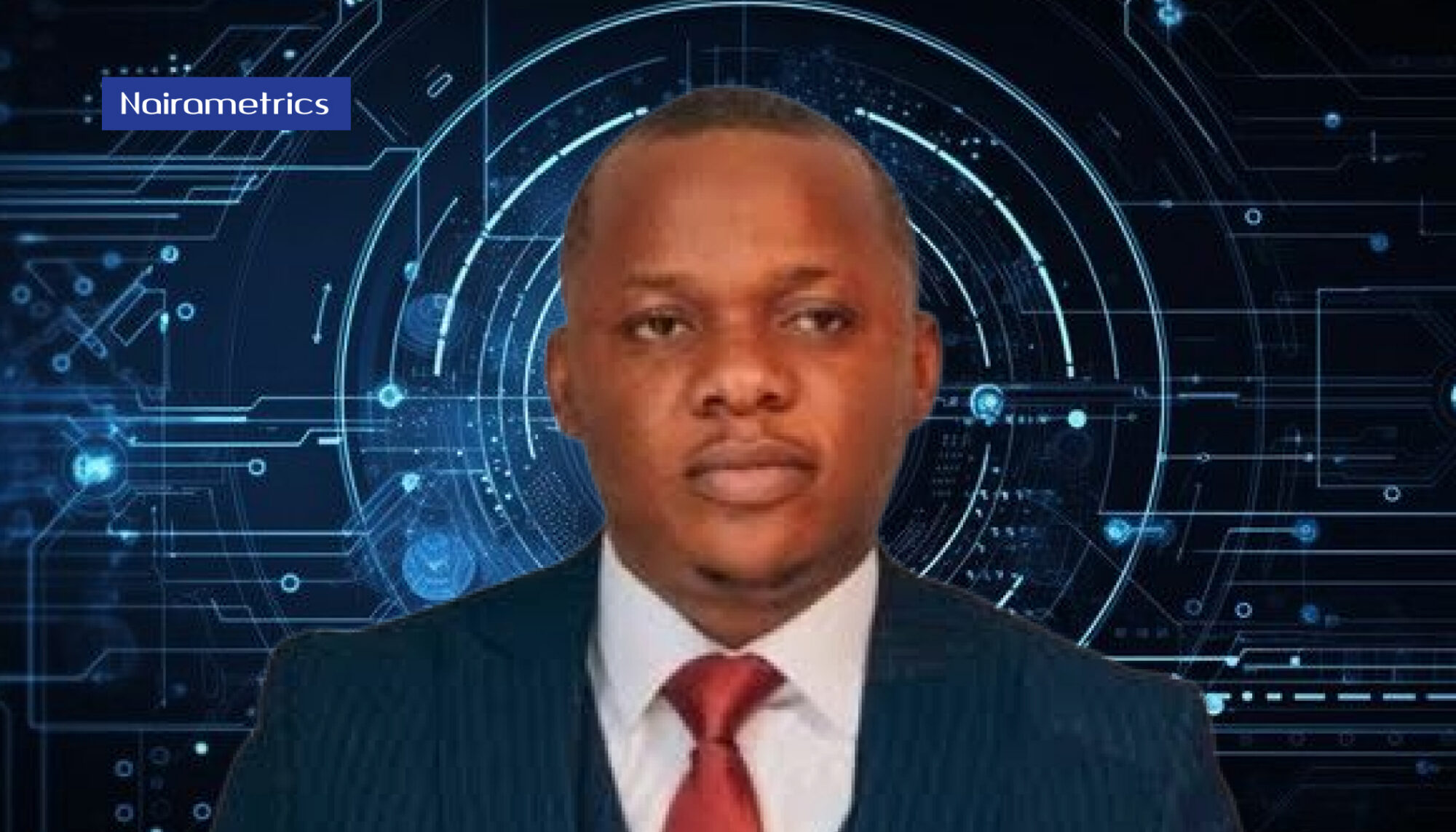
Obi Ebuka David is the founder of Autogon AI, a no-code AI infrastructure platform that allows businesses to build, deploy, and manage machine learning models without needing deep technical expertise.
David found that hiring skilled AI engineers was slow and expensive. So, in 2023, he set out to build something closer to a drag-and-drop AI factory: a platform where a business could upload its own data and come away with a working fraud-detection model, a customer-behaviour classifier, or a risk-scoring system, without hiring a research team to build one from scratch.
About 98 percent of Autogon’s infrastructure, the algorithms, the training pipelines, the real-time APIs, was engineered in-house, built using techniques like Google’s attention architecture and stitched together with AWS rather than leased wholesale from a foundation-model provider. The company picked up backing from Fast Forward Venture Studio in early 2024.
David has also revealed that his team developed and patented algorithmic architectures that have since been applied in medical research to build AI models for detecting tuberculosis, analysing brain haemorrhages, identifying skin diseases, and accelerating drug discovery.
6. Abiodun Adetona — Decide
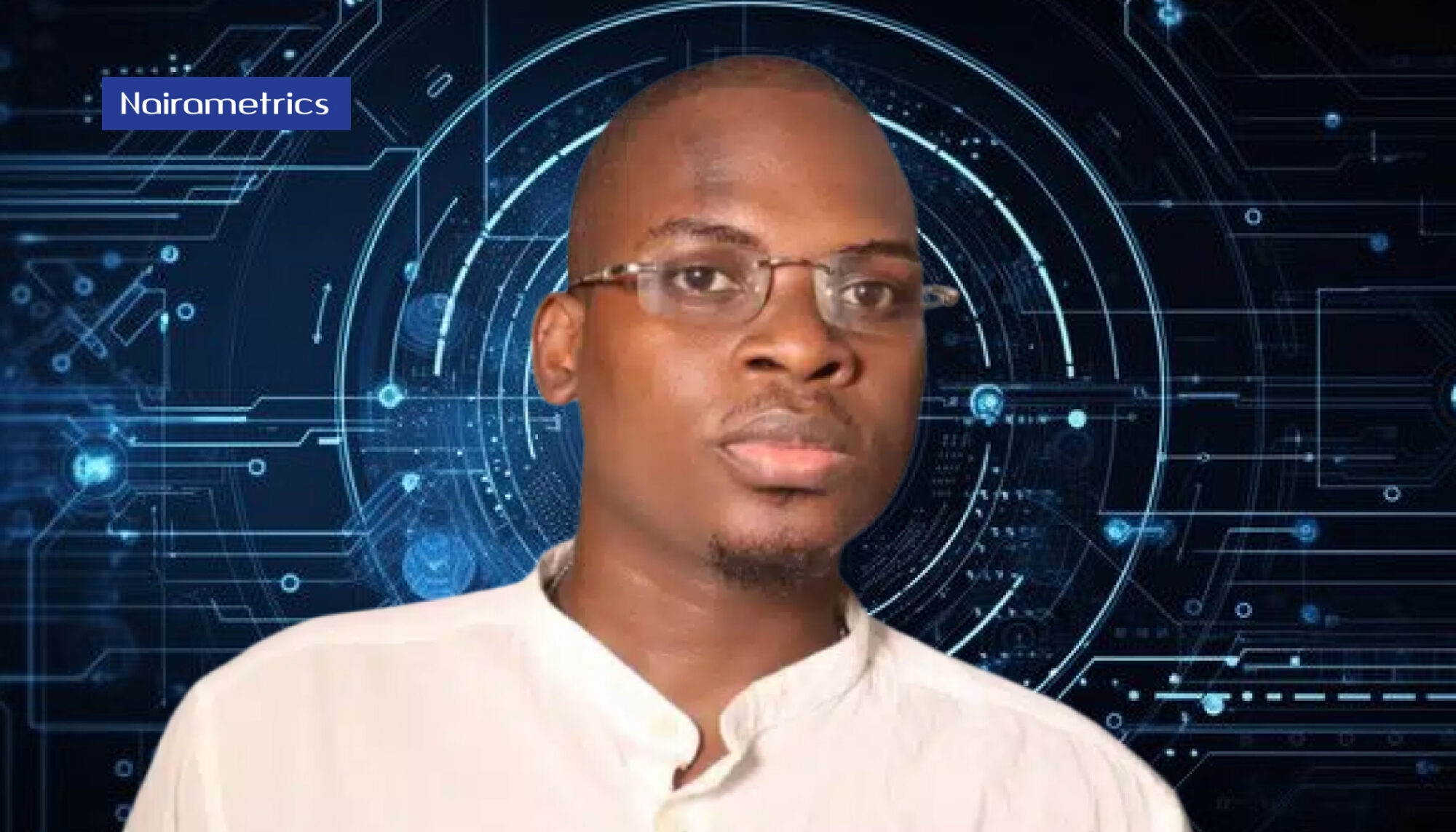
Abiodun Adetona founded Decide in 2025. Interestingly, Decide has only three employees, has no external funding, and now ranks fourth in the world for spreadsheet AI accuracy.
Adetona spent years as a software developer at Flutterwave, one of Nigeria’s most valuable fintech companies. He encountered recurring spreadsheet and data-analysis challenges during his time there.
When he built Decide in late 2025, it was aimed at solving that problem: an AI agent designed to read the structure of a spreadsheet, execute changes directly, and explain those changes in plain language, rather than simply generating suggestions that users still have to implement themselves.
When the product went live, it attracted 1,000 users in its first 24 days without any marketing spend, and crossed 3,000 users, including paying customers, within weeks of launch.
In February 2026, just months after launch, Decide emerged as the fourth-highest-ranked AI agent on SpreadsheetBench, a widely referenced benchmark for evaluating AI performance on real-world spreadsheet tasks.
5. Henry Mascot and John Dada — Curacel
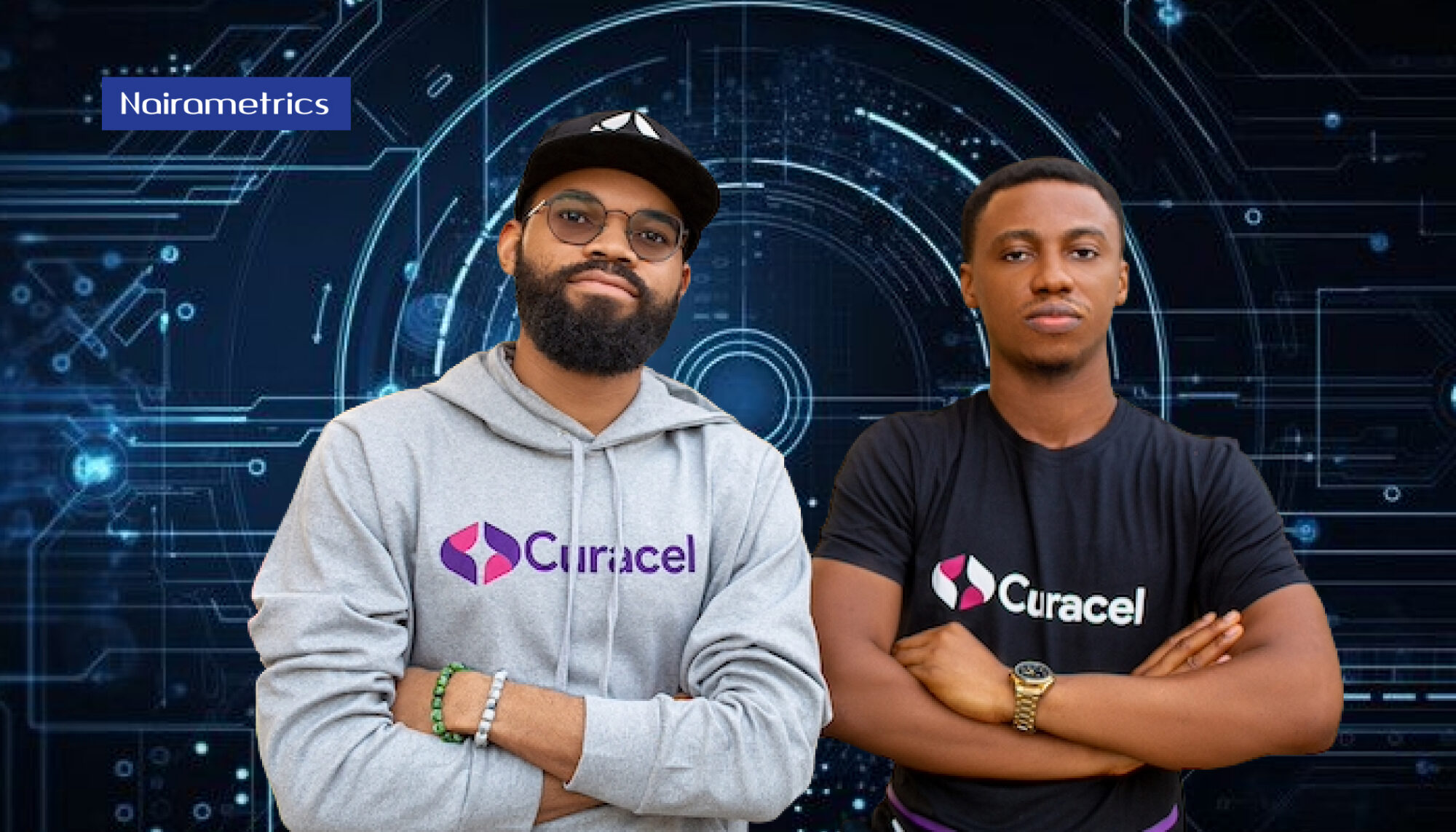
Henry Mascot and John Dada founded Curacel in 2019. Curacel now offers AI-driven tools for insurance companies to automate and process claims, detect fraud in real time, and distribute insurance products through digital partners.
Its embedded insurance product, Curacel Grow, is now used by over 100 companies across eight African countries, including banks, fintechs and logistics platforms. More than 20 insurers use the claims automation product, among them AXA Mansard, Old Mutual and Jubilee Insurance.
The company was accepted into Y Combinator’s Winter 2022 cohort and has raised $3.5 million from investors including Y Combinator, Tencent, and Google. The company reported growing transaction volume by 600 percent and revenue by 500 percent in a single year.
According to Curacel’s Google for Startups profile, it has processed more than 750,000 claims and helped clients reduce fraud, waste and abuse payouts by 25 percent. TechCrunch reported in 2023 that Curacel had processed more than $100 million worth of claims since its inception.
4. Yinka Iyinolakan, Soji Akinlabi & Shona Olalere — CDIAL
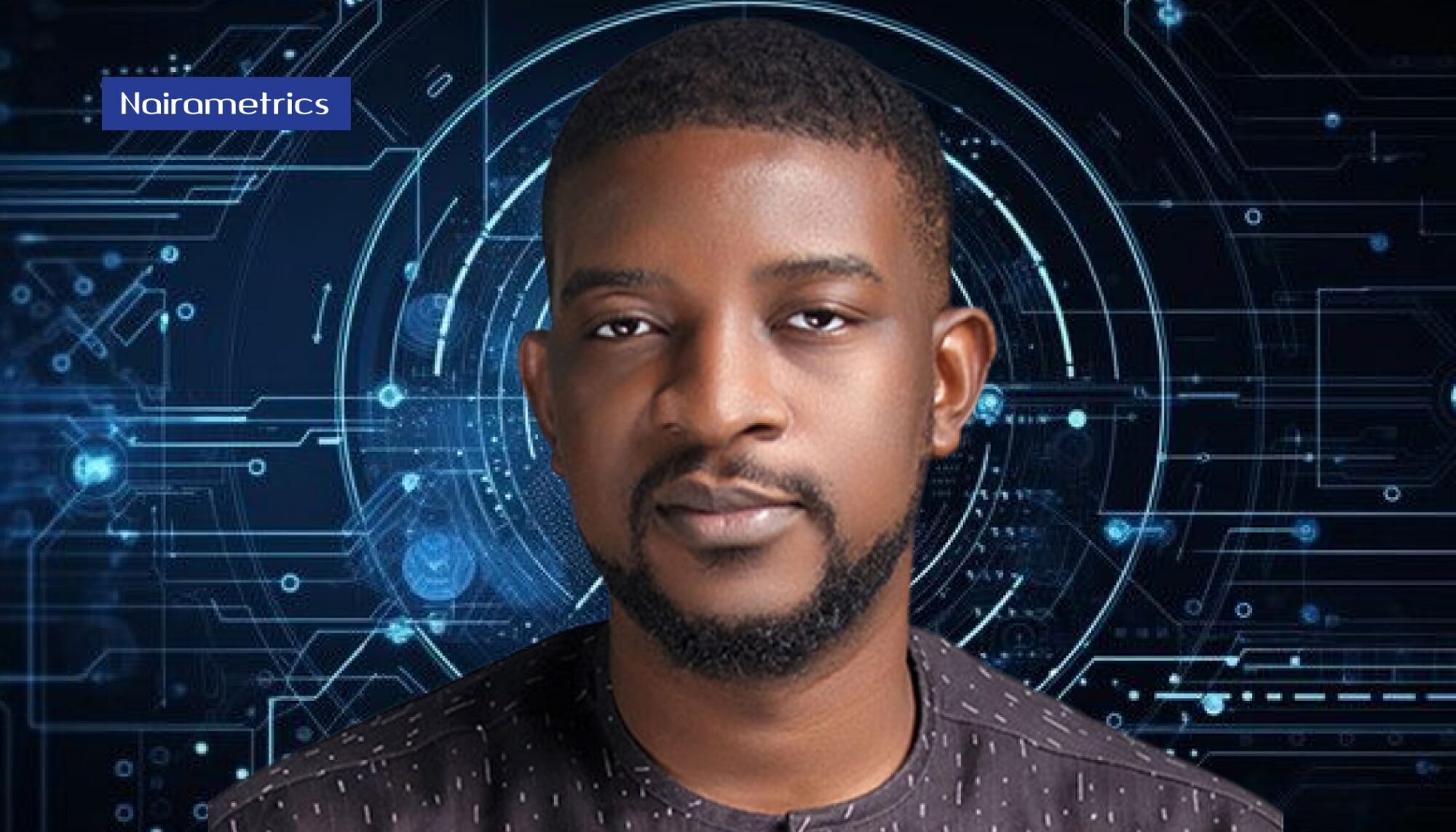
Yinka Iyinolakan, Soji Akinlabi and Shona Olalere are co-founders of CDIAL. CDIAL stands for Centre for Digitization of Indigenous African Languages, and its founders built it in 2021 around a problem that looks technical but is fundamentally cultural.
The founders knew that the vast majority of the world’s major AI systems, large language models, voice assistants, and translation tools were built without African languages in mind, so they set out to change that.
Their flagship product is Indigenius Mobile, a conversational AI platform for multilingual communication in African and other low-resource languages.
According to the company, the system supports 180 African languages and includes a multilingual smart keyboard that allows users to type in their native language regardless of what that language is.
CDIAL also launched a dictionary in 2023 that translates modern technical terms into indigenous languages. In 2023, CDIAL won a $50,000 prize at Pharrell Williams’ Black Ambition competition, held at its third annual demo day in Tribeca, New York.
3. Sulaiman Adewale — Xara
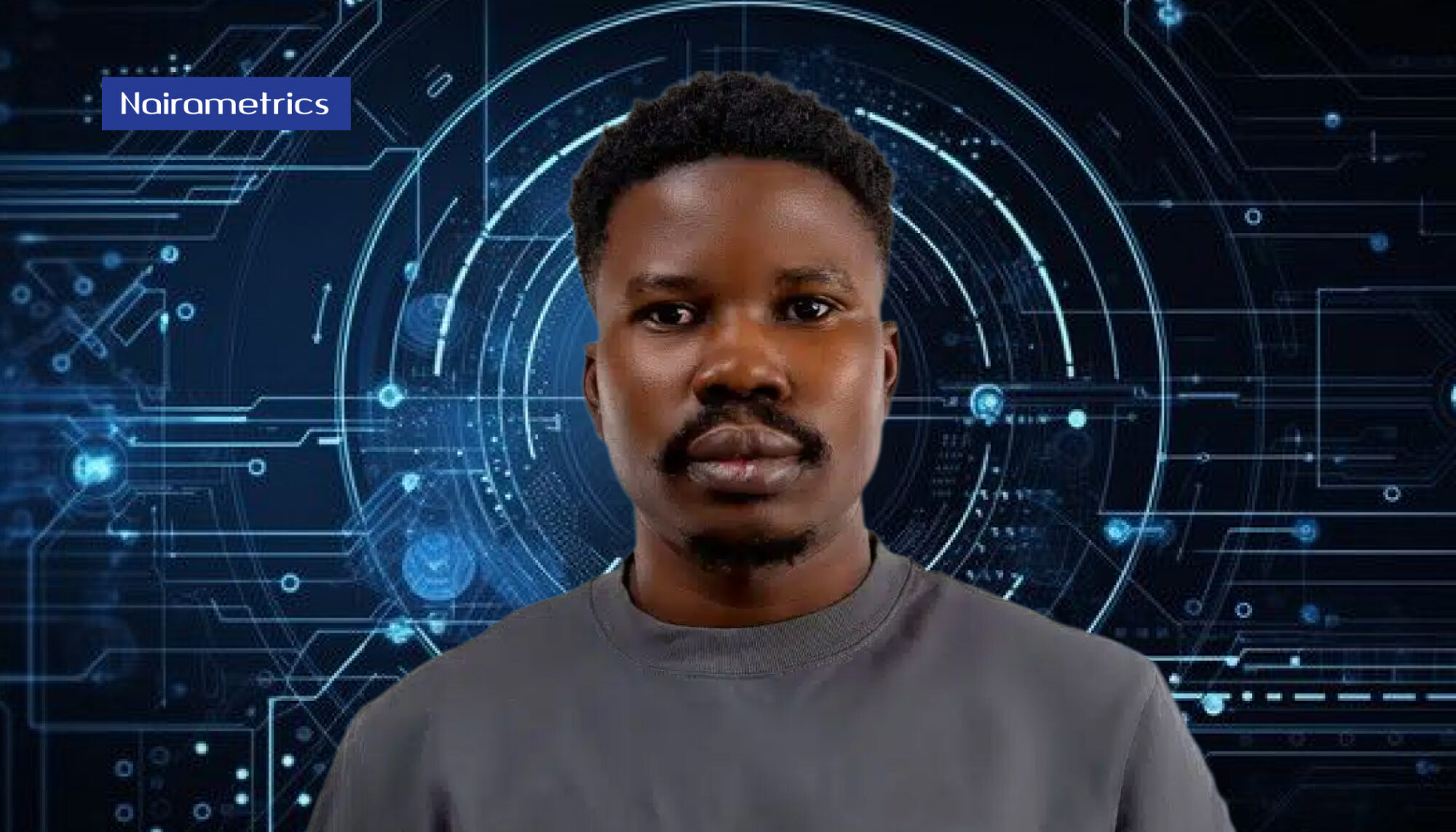
Sulaiman Adewale founded Xara in 2025. Adewale describes himself as short-sighted. The original idea for Xara was not a banking product, it was a tool that could look through his phone’s camera, read what he was pointing it at, and help him navigate.
That prototype evolved into something he had not planned: a conversational banking assistant that could not only read an account number from a picture but actually execute the transfer. He released a demo online in 2025 and it went viral.
Xara runs entirely inside WhatsApp. There is no app to download. Users open WhatsApp, send a message, a voice note, or a photograph, and the assistant, which understands Nigerian speech patterns, Pidgin and English, executes the instruction. Transfers, bill payments, airtime top-ups, spending analysis, recurring payment automation: all done through conversation.
In its first 10 months of operation, Xara reportedly crossed ₦8 billion in processed transactions and reached 45,000 users. In December 2025, the team launched V3, a full platform upgrade.
In March 2026, it integrated crypto deposits via a partnership with Solana, allowing users to transact with USDC and USDT directly on WhatsApp. It has since launched Xara for Business.
2. Charles Onu — Ubenwa Health
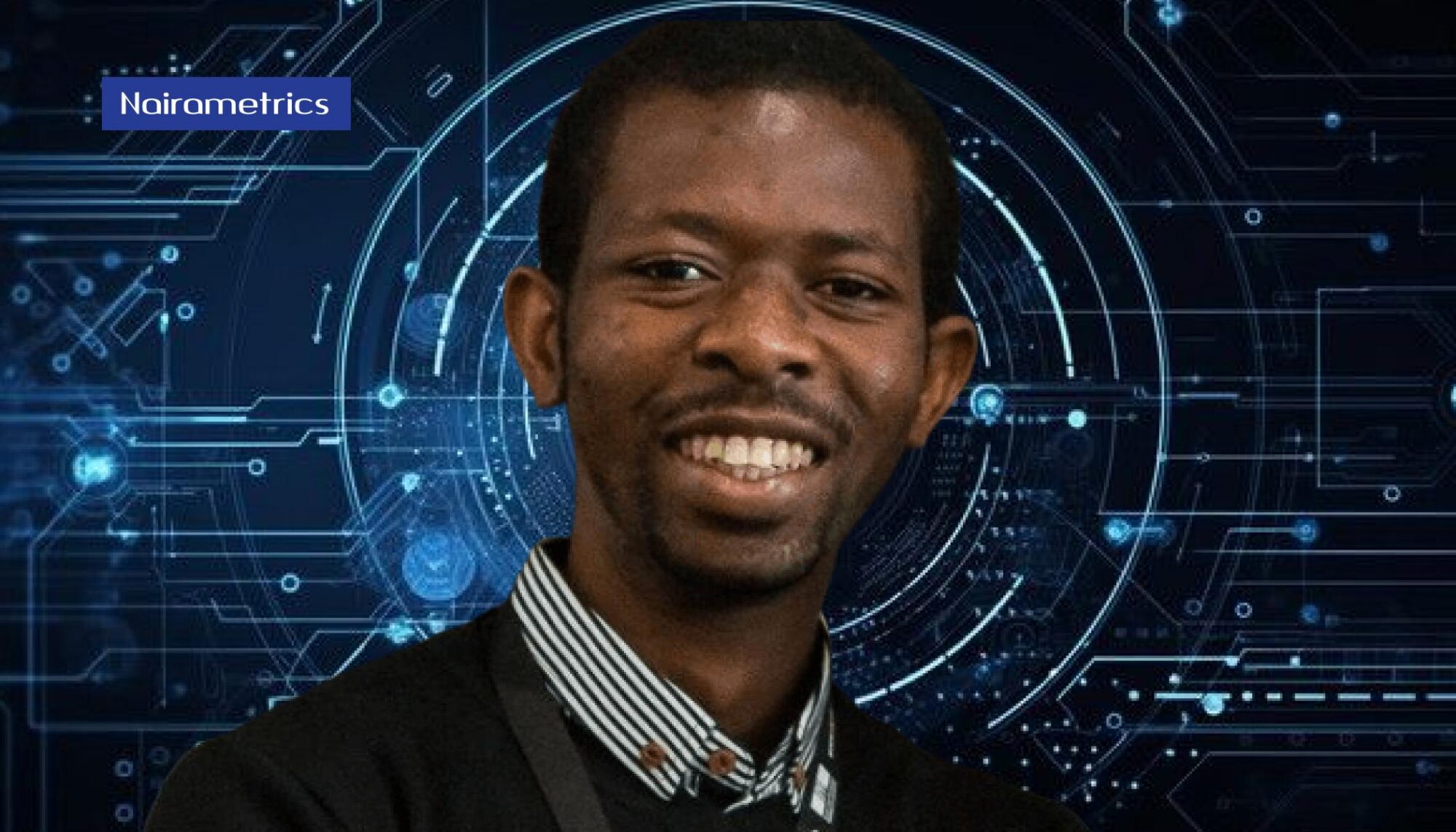
Charles Onu founded Ubenwa Health in 2017. Ubenwa is a startup that uses artificial intelligence to analyze babies’ cries and detect illnesses and diseases such as birth asphyxia.
The word “ubenwa” is Igbo for “baby’s cry.” Onu, a Nigerian computer scientist based in Montreal, chose it as the name of his company because it describes exactly what the product listens to.
Onu and his team, while researching at Mila, the world-renowned Montreal AI research institute, found out that birth asphyxia, the most common cause of neurological injury at birth, changes the acoustic properties of a baby’s cry in ways that machine learning models can detect.
The amplitude and frequency are different in a healthy infant and a sick one. So, they built Ubenwa to detect these differences. Ubenwa’s research is conducted in collaboration with six hospitals across three countries, including Montreal Children’s Hospital, Enugu State University Teaching Hospital, Rivers State Teaching Hospital and Santa Casa de Misericordia in Brazil.
Its $2.5 million pre-seed round was led by Radical Ventures. The round also drew Hugo Larochelle and Marc Bellemare from Google Brain, alongside Pieter Abbeel and Richard Socher of AIX Ventures.
1. Silas Adekunle & Eniola Edun — Awarri
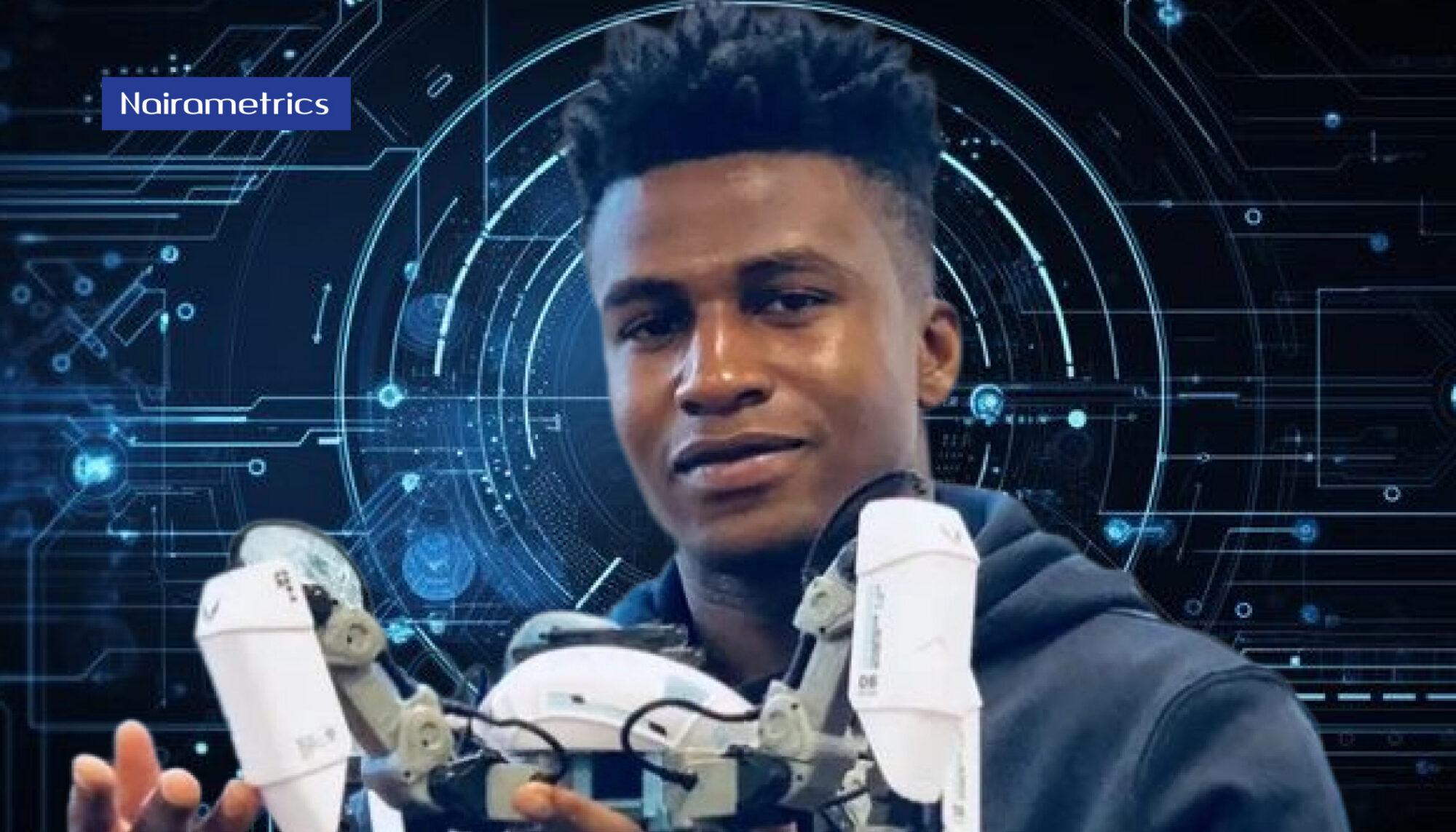
Silas Adekunle and Eniola Edun founded Awarri in 2019. Awarri is an artificial intelligence and robotics company created to build AI models, data systems, and infrastructure specifically tailored for African languages, cultures, and contexts.
The specific problem Awarri is attacking is linguistic. Nigeria has over 500 languages. Yet they are underrepresented in the large language models that now underpin most of the world’s AI applications.
In November 2023, Awarri opened a data annotation lab in Ikorodu, Lagos, employing more than 100 workers to collect, label and structure language data in indigenous Nigerian languages. Minister of Communications Bosun Tijani attended the inauguration.
In April 2024, Tijani announced that the Nigerian government was partnering with Awarri, Data.org, the National Information Technology Development Agency and the National Centre for Artificial Intelligence and Robotics to build what they described as Nigeria’s first government-backed, open-source multilingual large language model.
On April 19, 2024, Awarri launched LangEasy, an app for crowdsourcing voice and text data from participants in the 3 Million Technical Talent programme. In September 2025, on the sidelines of the 80th United Nations General Assembly in New York, Minister Tijani unveiled N-ATLAS, the Nigerian Atlas for Languages and AI at Scale.
The app was built by Awarri in partnership with the government partners. N-ATLAS is an open-source multilingual large language model that can understand and generate text in Yoruba, Hausa, Igbo and Nigerian-accented English.