Follow Us on Google Discover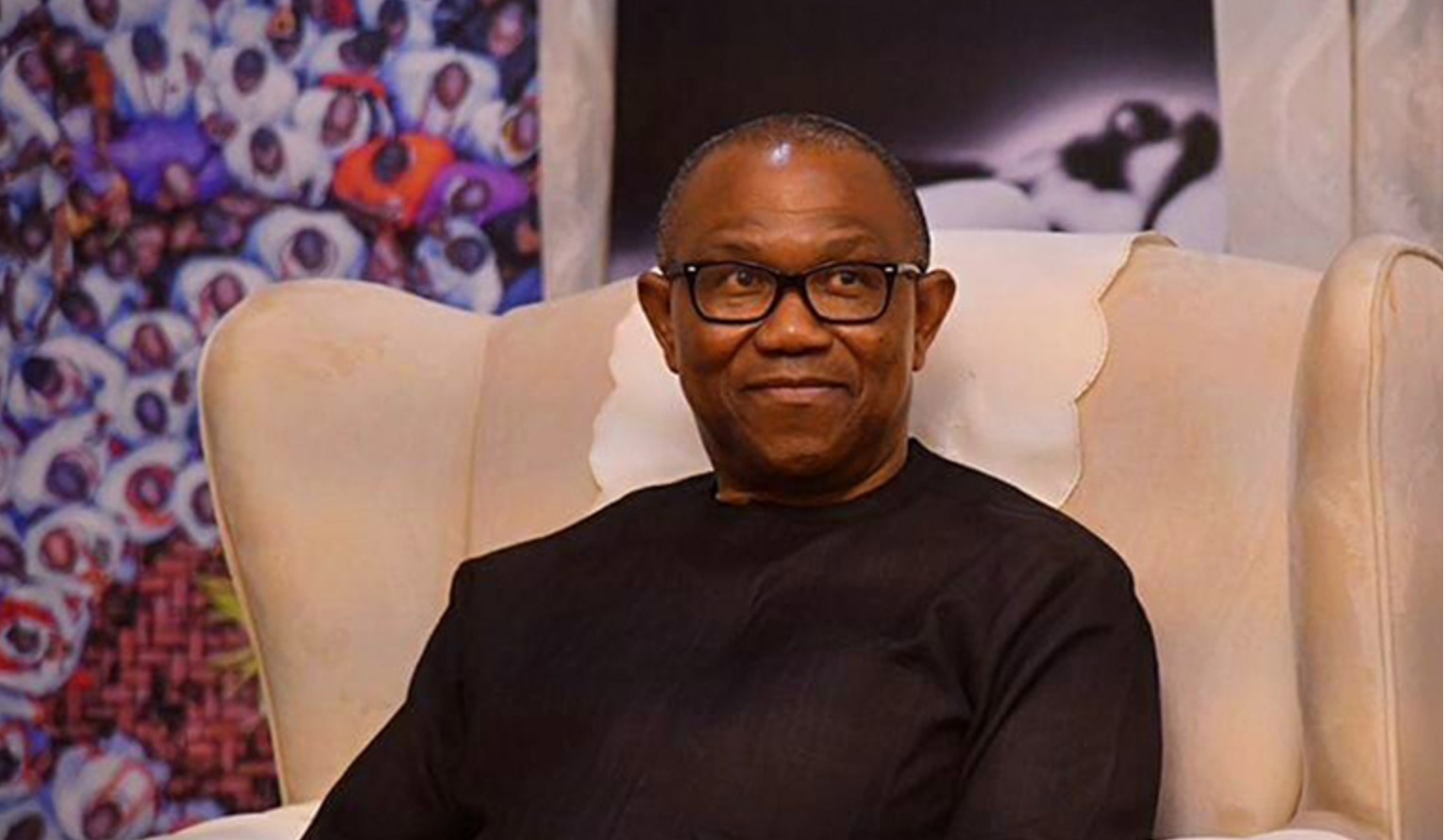
The presidential candidate of the Nigeria Democratic Congress (NDC) Peter Obi has said Nigeria’s education crisis is not only caused by the policy separating Junior Secondary Schools (JSS) from Senior Secondary Schools (SSS), but by successive governments’ failure to adequately fund the sector and deliver quality education.
Obi made the remarks on Friday via his X account while reacting to the Federal Government’s recent admission that the JSS/SSS structure has not improved learning outcomes.
His latest comments add to a series of criticisms he has directed at the Tinubu administration as political activities gradually build towards the 2027 presidential election, where he is expected to challenge President Bola Tinubu.
Obi argued that the government’s admission was unfortunate because education remains the single most important investment in human capital development, which underpins economic growth, national productivity and long-term development.
Also Read
What Peter Obi is saying
Drawing on the experiences of Asian economies, Obi said countries that have built strong education systems achieved success through sustained investment in curriculum development, motivated teachers and better learning environments, rather than frequent policy changes.
He noted that although the Minister of Education had admitted that the separation of junior and senior secondary schools had failed to improve educational outcomes, Nigeria’s priority should be ensuring effective implementation and adequate investment in the sector instead of focusing solely on structural reforms.
According to him, meaningful progress will only come when education policies are backed by sufficient funding and a commitment to delivering quality learning for Nigerian students.
He criticised the allocation to education in the 2026 budget, saying it falls far below international standards.
- “In the 2026 budget, education received only N3.52 trillion, just 6.17% of total expenditure, down from 7.87% in 2025, and well below UNESCO’s recommended 15–20%. This low allocation indicates a failure to recognise education as a driver of sustained economic growth.”
Obi maintained that the country’s education challenges go beyond the JSS/SSS framework.
- “The issue is not the JSS/SSS policy itself, but the lack of commitment to properly fund, manage, and deliver quality education.”
Get up to speed
Obi’s comments come days after the Federal Government announced plans to phase out the separation of Junior Secondary School (JSS) and Senior Secondary School (SSS) as part of broader reforms aimed at improving access to education and learning outcomes.
The Ministry of Education said the proposed reform is intended to address overcrowding in junior secondary schools, make better use of underutilised senior secondary facilities and reduce school dropout rates.
However, Obi argued that the structure of the education system is not the root of the problem.
What you should know
More than 20 million Nigerian children who enrol in primary school fail to progress to senior secondary education, highlighting persistent challenges across the country’s education system.
- Earlier this year, Minister of Education Tunji Alausa proposed replacing Nigeria’s current 9-3-4 education structure with a 12-4 model, which would provide 12 years of uninterrupted basic education before four years of tertiary education.
- The minister said the proposed reform would align Nigeria’s education system with global standards and provide a more seamless learning pathway for students.
However, the proposal was rejected by the Nigeria Union of Teachers (NUT), which argued that changing the structure of the education system would do little to improve learning outcomes without significantly increasing funding for education and addressing longstanding challenges such as inadequate infrastructure, shortage of teachers and poor learning conditions.