Follow Us on Google Discover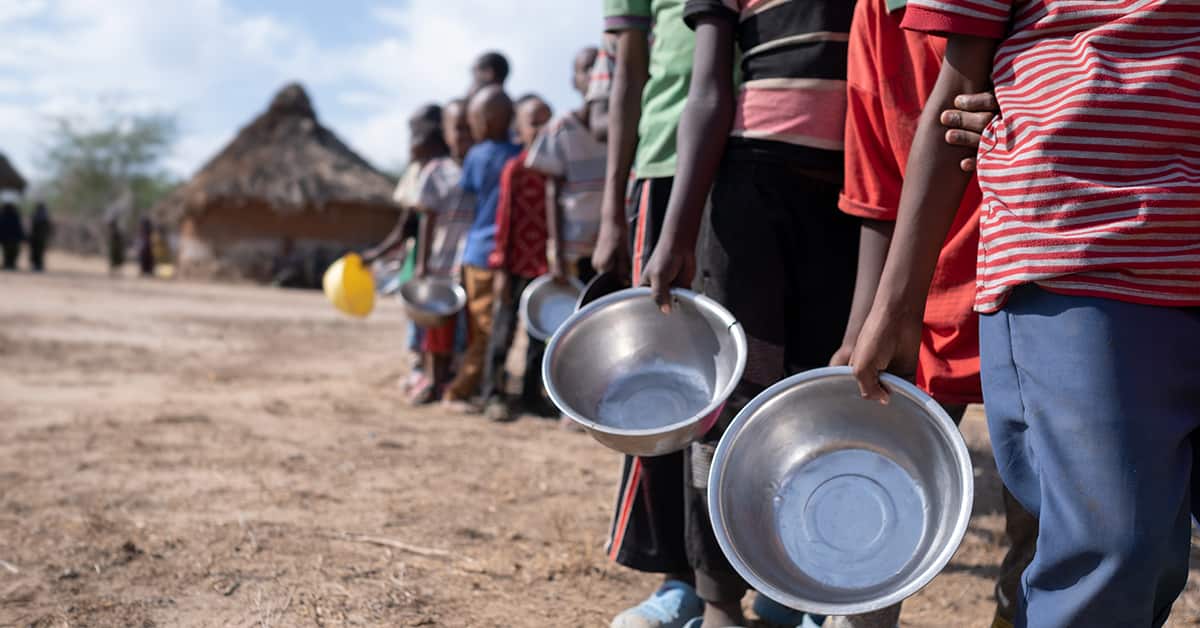
The Government of Japan has donated food assistance worth $853,000 to the United Nations World Food Programme (WFP) to strengthen humanitarian support for vulnerable populations in North-East Nigeria, as millions continue to face worsening food insecurity driven by conflict and displacement.
The donation was announced on Monday in a statement by the WFP Nigeria Programme Policy Officer, Itaru Furuta, who described Japan’s contribution as timely, saying it would provide critical food assistance to the most vulnerable households across the region.
The WFP said the support comes at a critical time, with millions of people in Northern Nigeria experiencing unprecedented levels of hunger and many families struggling to meet their daily food needs.
What they are saying
Speaking on the donation, Furuta said Japan’s support would help sustain lifesaving humanitarian interventions for people affected by conflict, displacement and climate-related shocks in North-East Nigeria.
Also Read
- She said, “We do not take this support for granted and call on other donors to join our mission to save the lives of the most vulnerable.”
Furuta noted that despite worsening insecurity, the WFP has continued to deliver emergency food assistance to communities most affected by conflict, adding that the organisation has remained at the forefront of humanitarian efforts across Borno, Adamawa and Yobe states over the past decade.
She stressed that food assistance goes beyond addressing hunger, saying it also contributes to community stability by reducing displacement risks and limiting the vulnerability of affected populations.
- “When people are left without support, the consequences go far beyond hunger. It affects stability and security and increases the risk of people being forced to move or even being drawn into armed groups,” she said.
Furuta added that persistent insecurity, rising fuel costs and increasing prices of essential commodities have made it increasingly difficult for families to meet their basic food needs, with many now struggling to afford even one complete meal a day.
She also recounted the experience of a 30-year-old widow and mother of four from Borno State, who said WFP’s assistance had enabled her to provide for her children after years of displacement caused by the insurgency.
More insights
North-East Nigeria has remained one of the country’s worst humanitarian hotspots for more than a decade due to the Boko Haram insurgency and other armed conflicts.
According to the WFP, prolonged insecurity across Borno, Adamawa and Yobe states has disrupted farming activities, destroyed livelihoods, weakened local markets and displaced millions of people, leaving many households heavily dependent on humanitarian assistance.
- The organisation warned that conflict, climate shocks and worsening economic conditions continue to deepen food insecurity across the region, increasing the need for sustained international support.
- In early June, Thailand equally donated 12 metric tonnes of rice valued at $22,000 to support communities affected by food insecurity in Nigeria, particularly the North-East.
What you should know
Nigeria continues to battle one of the world’s largest food insecurity crises.
- According to PwC, about 34.7 million Nigerians could face acute food insecurity in 2026. Similarly, the United Nations Food and Agriculture Organization (FAO), based on its October 2025 Cadre Harmonisé analysis, projects that about 34.7 million people could experience severe food insecurity during the June-August 2026 lean season.
Meanwhile, findings by Cadre Harmonisé indicate that millions of people in Borno, Adamawa and Yobe states remain among the country’s most food-insecure populations due to the combined impact of armed conflict, displacement, climate shocks and rising food prices.
The latest donation from Japan will support the WFP’s ongoing emergency food assistance programme aimed at helping vulnerable households rebuild their lives while reducing the humanitarian impact of the prolonged crisis in North-East Nigeria.