Follow Us on Google Discover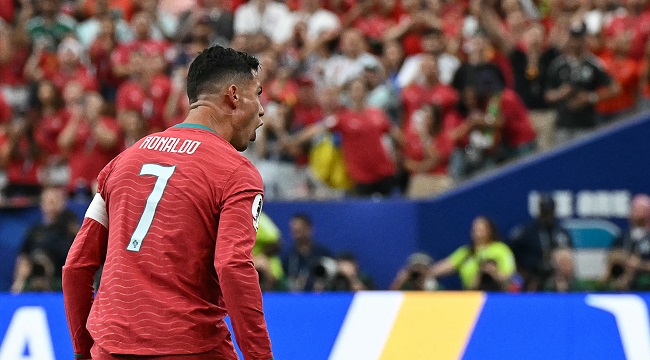
The 2026 FIFA World Cup not only features football’s biggest names, but it is also a gathering of some of the world’s wealthiest athletes.
According to estimates published by Sportico, the tournament’s 10 highest-paid players earned a combined $924 million over the past 12 months through salaries, bonuses and commercial ventures, underlining the financial power that now exists at the top of the game.
Cristiano Ronaldo leads the rankings with estimated earnings of $295 million before taxes and agents’ fees during the period, placing the Portugal captain comfortably ahead of Lionel Messi, who ranks second with $140 million.
Together, the two football icons generated $435 million, accounting for almost 47% of the combined earnings of the tournament’s 10 highest-paid players.
Also Read
The figures reflect earnings generated in the year leading up to the World Cup and do not include prize money tied to the tournament itself.
Saudi Arabia’s spending power reshapes football’s wage structure
One of the clearest trends from the rankings is the growing financial influence of Saudi Arabian football.
- Three of the top eight highest-paid players currently play in the Saudi Pro League, led by Ronaldo, whose move to Al-Nassr continues to redefine football’s salary landscape.
- According to Sportico, Ronaldo earned approximately $230 million from his playing contract and related commercial arrangements with Al-Nassr, while another $65 million came from endorsement deals and business interests.
- Senegal’s Sadio Mané, also at Al-Nassr, ranked seventh with $54 million, while Algeria captain Riyad Mahrez, who plays for Al-Ahli, earned an estimated $53 million over the past year.
Their presence among football’s highest earners reflects Saudi Arabia’s continued investment in sport as part of its broader economic diversification strategy, with football becoming a key vehicle for attracting global audiences, tourism and private investment.
Football’s biggest brands are earning beyond the pitch
While salaries remain the largest source of income for most elite players, commercial partnerships continue to separate football’s biggest global brands from the rest of the market.
- Ronaldo generated $65 million from off-field activities over the past year through endorsement agreements and business ventures.
- Messi, meanwhile, earned an estimated $70 million away from football, matching his on-field income, making him the highest off-field earner among players at the World Cup.
- Combined, the top 10 players earned $255 million from endorsements, licensing agreements and other commercial activities, representing more than a quarter of their total income.
The figures highlight how modern footballers increasingly operate as global brands, with revenues extending far beyond club salaries.
Europe’s elite clubs continue to dominate
Although Saudi Arabia has transformed football’s salary market, Europe’s biggest clubs remain heavily represented among the game’s top earners.
- Spanish giants, Real Madrid, have three players in the top 10. Kylian Mbappé, Vinícius Júnior and Jude Bellingham, more than any other club.
- Mbappé ranked third with estimated earnings of $100 million, while Vinícius Jr. and Bellingham earned $60 million and $44 million, respectively.
- FC Barcelona teenager Lamine Yamal also broke into the rankings after earning an estimated $43 million, highlighting the growing commercial value attached to football’s emerging stars.
The Premier League was represented by Manchester City’s Erling Haaland, who earned $80 million, and Liverpool forward Mohamed Salah on $55 million, while Messi was Major League Soccer’s sole representative through Inter Miami.
The next generation is closing the gap
While Ronaldo and Messi continue to dominate football’s earnings rankings, a younger generation is steadily building both sporting and commercial influence.
Mbappé, Haaland, Vinícius Jr., Bellingham and Yamal, all aged 27 or younger, occupy five of the top 10 positions, reflecting the growing willingness of brands and clubs to invest heavily in football’s next generation of global stars.
Their growing endorsement portfolios suggest that commercial success is increasingly linked to worldwide digital reach as much as performances on the pitch.
The rankings underscore the changing economics of global football.
Broadcast revenues, sovereign investment, sponsorship spending and the rapid growth of athletes’ personal brands have expanded the earning potential of elite footballers beyond traditional club salaries.
For clubs, leagues and sponsors, the value of a superstar increasingly extends beyond goals and trophies to global audience reach, merchandising, digital engagement and commercial partnerships.
As football’s financial landscape becomes more global, the competition for elite talent is no longer confined to Europe’s traditional powerhouses. Instead, emerging markets with deep financial resources are reshaping the sport’s wage structure while commercial income continues to reward players with the strongest worldwide brands.
With the 2026 FIFA World Cup attracting billions of viewers across the globe, the tournament is expected to further strengthen the commercial appeal of many of the game’s biggest stars, reinforcing football’s position as one of the world’s most valuable sports industries.