
 Follow Us on Google Discover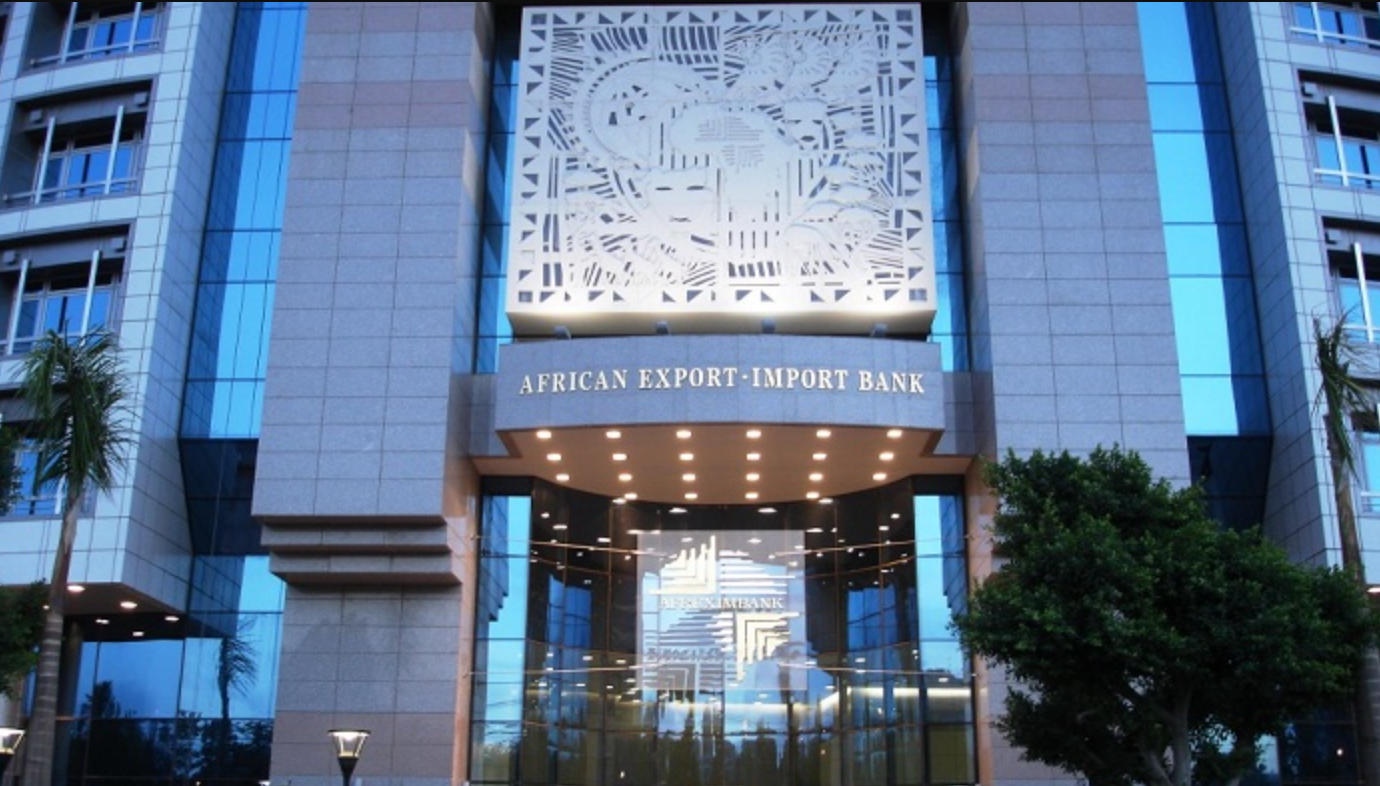
Intra-African trade rose by 5.47% to $213.8 billion in 2025, from $202.7 billion in the previous year.
This is according to the latest trade report published by the African Export-Import Bank (Afreximbank).
Afreximbank attributed the increase to robust growth in several African countries, including Ethiopia, Uganda, the Democratic Republic of Congo and Zambia.
The report showed that South Africa remained the largest contributor to intra-African trade, while Côte d’Ivoire maintained a significant role in West African trade.
Also Read
What the report is saying
The estimated value of total intra-African trade increased by $11.1 billion in 2025, reflecting stronger trade activity across several African economies.
- According to the bank, South Africa accounted for 19.2% of intra-African trade in 2025, compared with 20.8% in 2024.
- South Africa imported goods worth $10.04 billion from other African countries during the year.
- The bank noted that the country exports to African markets stood at $31.1 billion, unchanged from the previous year.
- Côte d’Ivoire accounted for 4.83% of intra-African trade in 2025, Afreximbank noted.
The figures highlight the continued importance of a few major economies in driving trade within the continent.
More Insights
The report further showed that South Africa’s trade with other African countries was driven by imports of mineral products, precious metals, textiles and food products. Its imports included crude oil, coal, petroleum products and electricity, as well as sugar and confectionery from Eswatini, Zambia and Mozambique.
- South Africa exported fuel and fuel products to African markets, the report stated.
- Its exports also included machinery, electrical equipment and vehicles.
Afreximbank noted that South Africa’s exports to African markets were more diversified than its imports from the continent.
West African context
According to the report, Côte d’Ivoire remained a major hub for trade in West Africa, supported by its integration into the West African Economic and Monetary Union and the Economic Community of West African States.
- The country remains a major exporter of cocoa, cashew nuts, rubber and palm oil.
- It is increasingly pursuing value addition through domestic processing in the cocoa and cashew sectors.
- Its key regional trade partners include Mali, Burkina Faso, Ghana and Nigeria.
South Africa and Morocco also serve as important gateways to Southern and North African markets.
The shift towards domestic processing is gradually strengthening Côte d’Ivoire’s position as an agro-industrial base in West Africa.
What you should know
Earlier, the bank reported that Africa faces $100 billion annual trade finance gap, which constitutes a major hurdle to unlocking the full potential of the African Continental Free Trade Area (AfCFTA).
The bank also predicted that intra-African trade—which the bank’s 2025 report estimates at $220.3 billion for 2024—is expected to double within a decade as the African Continental Free Trade Agreement Area( ACFTA) is fully implemented by African countries.
Crude oil remained Nigeria’s primary export to African markets during the period, but there was growing momentum toward refined product exports following the operational launch of the Dangote Refinery.


This is a great discovery for me as a journalist. Thank you.