Follow Us on Google Discover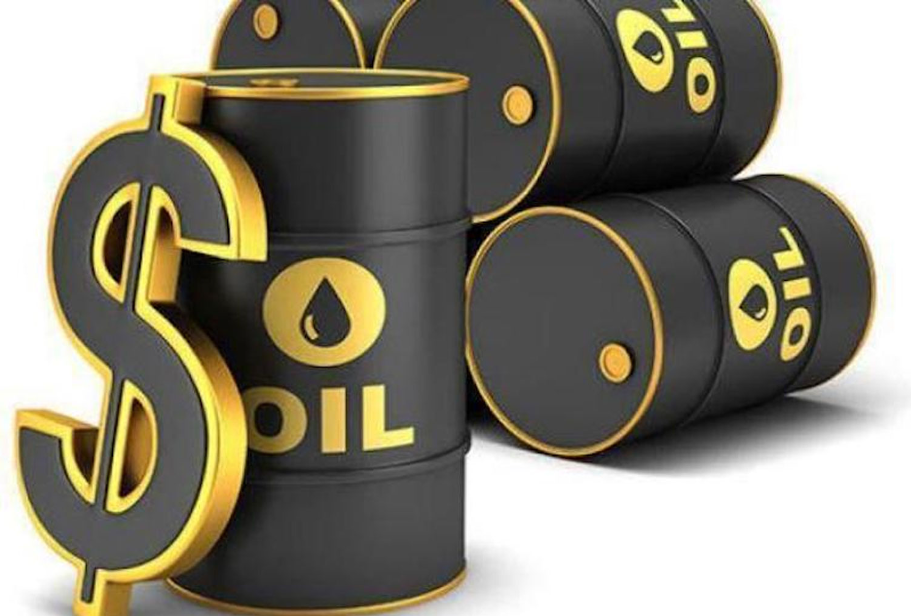
Analysts have described the ongoing conflict between the United States and Iran as a “Zombie War” that could keep global inflation elevated and expose the limits of U.S. military and economic leverage.
The analysts made the remarks on the latest edition of the Drinks and Mics Podcast, hosted by Ugo Obi-Chukwu.
They argued that the prolonged conflict has become difficult to resolve, with peace negotiations repeatedly stalling and both sides struggling to find a clear exit route.
Iran and Israel had said on Monday they had suspended attacks on one another at the request of US President Donald Trump, however, the plan was short-lived as attacks continued moment later.
What they are saying
Reacting to reports of a setback in U.S.-Iran negotiations, Arnold Dublin-Green, MD/CEO, Asset Management at Renaissance Capital Africa, said a lasting deal was always unlikely because of the complexity of the conflict.
- “For me, it’s just so difficult and so complex to actually come to a deal. And there are just too many parties involved. I never imagined that whatever deal would happen would actually last long. So I’m not surprised at the U-turn,” Dublin-Green said.
Oluwapelumi Joseph, Director of Finance at DAI, also argued that the U.S. entered the war without clear objectives, while Iran still retains significant leverage through the Strait of Hormuz and its enriched uranium stockpile.
- “The U.S. has basically gone into a war where it’s been exposed as not being that all-conquering army we’ve always believed it to be. Strategically, geopolitically, economically, militarily as well, I just think the U.S. has lost its advantage,” Joseph said.
Joseph described the conflict as part of a broader pattern of “zombie wars,” referring to conflicts such as Ukraine-Russia and now U.S.-Iran that drag on without resolution.
- “We’ve entered a new world where we now have zombie wars. What do I mean by zombie wars? Ukraine and Russia has been on for four years.”
He said the Ukraine-Russia war had already shifted global inflation expectations from the old 2% benchmark to around 3%, while the Iran conflict could push U.S. inflation expectations closer to 4% for at least two to three years.
Tunji Andrews, Founder and CEO at Awabah, said he has lost sight of what the war was about to begin with.
- “It’s now gotten into something we all can’t pull out from, but we can’t continue. You can’t go forward, you can’t go back. You’re just here.”
Ayokunle Ilesanmi, MD/CEO of Berkshire Finance Company Limited, also agreed that the U.S. was a major loser in the conflict, noting that disruptions around the Strait of Hormuz were pushing U.S. inflation higher and affecting global markets.
Get up to speed
Negotiations between the parties have continued to stall as attacks have intensified. The analysts noted that the conflict has become more complicated as both sides continue to escalate while still signalling interest in a possible deal.
Tehran reportedly hit a U.S. Apache helicopter on Monday while it was patrolling the coast of Oman.
The U.S. launched new strikes on Iran on Tuesday evening in response, while Iran retaliated by firing at U.S. targets across Jordan, Bahrain and Kuwait.
U.S. President Donald Trump said a deal to stop the war could be signed as early as Sunday, although Tehran disputed the timeline and said an agreement could happen in the “coming days.”
Iranian media also reported that Tehran had “not yet taken a final decision” on the framework agreement, amid reports that Qatari negotiators had flown to Iran to help conclude the deal.
The developments suggest that while diplomatic efforts remain active, uncertainty continues to shape the direction of the conflict.
More insights
Joseph said Iran’s control of the Strait of Hormuz gives it leverage, especially as it can charge a toll on passage and benefit from higher oil prices.
He noted that oil from shadow fleets had risen from around $65 per barrel to between $95 and $100 per barrel.
Andrews argued that although Iran may be benefiting from higher oil receipts, its domestic economy remains under pressure and cannot sustain the conflict indefinitely.
The analysts also said the absence of a clear decision-making centre in Tehran complicates ceasefire talks, while Washington lacks an obvious off-ramp after entering the conflict without a defined exit plan.
The panel concluded that markets may need to price in prolonged geopolitical risk, higher energy costs and a structurally higher inflation regime, moving from the pre-2022 world of 2% inflation to a 3% to 4% “zombie war” normal.
What you should know
Nigerian crude oil prices and major oil contracts declined last week after U.S. President Donald Trump expressed strong interest in ending the Middle East conflict, following Israel and Iran’s agreement to stop fighting.
- Nigeria’s Bonny Light was trading at $102 per barrel.
- Geopolitical risks linked to the U.S.-Iran standoff over Iran’s nuclear programme and the Strait of Hormuz have kept risk premiums elevated, helping to limit the decline in oil prices.
- Demand for Nigeria’s light sweet crudes, including Bonny Light and Qua Iboe, has also surged in Europe and the Americas.
The analysts said the conflict remains important for Nigeria and other oil-exporting economies because prolonged instability in the Middle East could continue to influence energy prices, inflation expectations and global investor sentiment.