Follow Us on Google Discover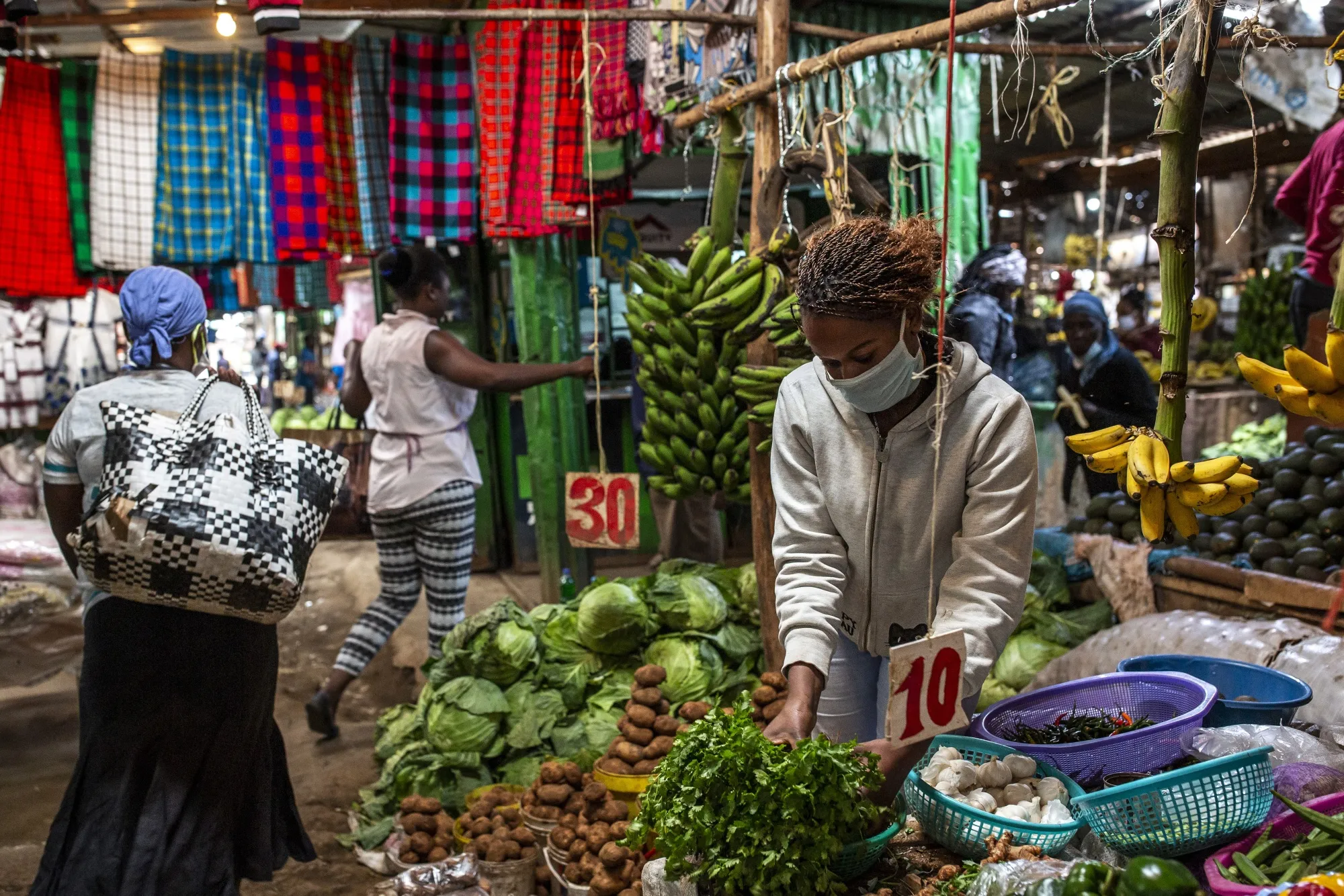
Kenya’s inflation rate accelerated to 6.7% in May 2026, marking the second consecutive monthly increase and the highest level recorded in more than two years, amid rising fuel prices and mounting transport costs.
This was disclosed by the Kenya National Bureau of Statistics in its latest inflation report released on Friday.
The increase comes as higher global energy prices linked to tensions involving Iran continue to pressure fuel costs and household spending across the country.
What the data is saying
Kenya’s headline inflation rose to 6.7% year-on-year in May from 5.6% recorded in April, pushing inflation close to the upper limit of the government’s preferred range of 2.5% to 7.5%.
Also Read
- The statistics office said transport costs surged by 16.5% during the period, reflecting the impact of higher fuel prices across the economy.
- Food and non-alcoholic beverage prices increased by 9.4%, while housing, water, electricity, gas and other fuel costs rose by 3.4%.
- The three categories account for about 57% of the country’s inflation basket, making them major drivers of the overall rise in consumer prices.
The latest inflation figure represents Kenya’s highest inflation level since January 2024, highlighting renewed pressure on household purchasing power and business operating costs.
More Insights
The latest inflationary pressure follows recent fuel price adjustments implemented by Kenyan authorities in response to rising global oil prices linked to geopolitical tensions in the Middle East.
- Kenya increased fuel prices in both April and May following the surge in global energy prices triggered by the U.S.-Israeli conflict involving Iran.
- The increase in transport costs has already sparked protests, with some transport operators reportedly embarking on strike action over higher fuel prices.
- Economists say sustained energy price increases could further raise the cost of goods and services across the economy if global crude oil prices remain elevated.
What you should know
Attention is now shifting to the Central Bank of Kenya ahead of its next monetary policy decision scheduled for June 9, 2026.
- The central bank retained its benchmark interest rate at its last policy meeting in April despite rising inflationary concerns.
Nigeria’s headline inflation rate rose to 15.69% in April 2026, up from 15.38% recorded in March.
This is according to the latest Consumer Price Index report released by the National Bureau of Statistics (NBS).
- The twelve-month average Consumer Price Index stood at 19.16%, lower than the 19.33% recorded in April 2025.
- Urban inflation was 15.40% year-on-year, while rural inflation stood higher at 16.36%.
- Food inflation rose to 16.06% year-on-year, although significantly lower than the 24.68% recorded in April 2025.
- United States inflation rose to 3.8% from 3.3%.
- Euro Area inflation increased to 3.0% from 2.6%.