Follow Us on Google Discover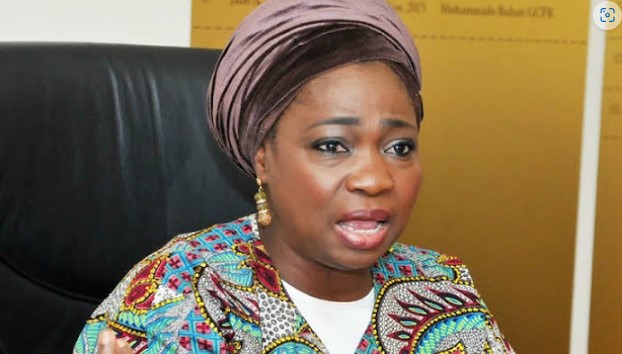
The Nigerian government has raised an alarm over renewed attacks on Nigerians in South Africa, outlining key demands to address the situation.
The Chairman/CEO of the Nigerians in Diaspora Commission (NIDCOM), Abike Dabiri-Erewa, made this known in a statement issued on April 29, 2026.
For weeks, there has been a rise in xenophobic attacks against Blacks living in South Africa, including Nigerians.
In its response, the Nigerian government, through NIDCOM, demands four key measures from the South African government: stronger security in affected areas, swift prosecution of offenders, coordinated Nigeria–South Africa engagement, and public condemnation of xenophobia.
What NIDCOM is saying
NIDCOM called on the South African government to safeguard Nigerians and other black immigrants, expressing deep concern over what it described as worsening persecution in parts of the country.
Dabiri-Erewa warned that expectations of easing tensions have not materialised.
- “While many expected a de-escalation of tensions following earlier engagements between both governments, the situation on the ground is deteriorating,” she noted.
The commission also urged authorities in South Africa to take urgent and visible steps to ensure the safety of all foreign nationals, in line with international obligations and African Union human rights protocols.
- “We state clearly that NIDCOM rejects the profiling and generalisation of all Nigerians. Crime has no nationality,” she added.
More insights
NIDCOM outlined four key demands it believes are necessary to curb the attacks and restore confidence among affected communities.
- First, the commission called for immediate reinforcement of security in areas where Nigerians live and do business, urging authorities to deploy more police personnel and carry out sustained patrols to prevent further violence.
- Second, it demanded accountability, stressing that individuals responsible for attacks, looting, and harassment must be swiftly arrested, investigated, and prosecuted to end the cycle of impunity.
- Third, NIDCOM pushed for structured dialogue, proposing a coordinated safety forum involving Nigerian and South African officials, law enforcement agencies, and community leaders to address tensions and improve collaboration.
- Fourth, the commission emphasised non-discrimination, urging South African authorities to issue clear public statements condemning xenophobia and discouraging the stereotyping and targeting of Nigerians and other foreign nationals.
“We urge all Nigerians in South Africa to remain law-abiding, avoid high-risk areas after dark,” the statement added.
What you should know
Xenophobic attacks in South Africa are not new and have recurred over the years, often targeting African migrants, including Nigerians.
- 2015: Major attacks left several people dead and thousands displaced, drawing international condemnation. Nairametrics reported that the attacks occurred in the coastal city of Durban.
- 2017: Anti-immigrant protests and clashes, particularly in Pretoria and Johannesburg. In retaliation, a group of Nigerian protesters attacked and vandalised the head office MTN in Abuja.
- 2019: Widespread violence and looting of foreign-owned businesses triggered diplomatic tensions between Nigeria and South Africa. The 2019 attacks were one of the notable in recent history, prompting former President Muhammadu Buhari to order the immediate evacuation of Nigerians from South Africa.
- 2026: Fresh waves of harassment, looting, and targeted attacks have been reported, with recent incidents affecting businesses and even schoolchildren of Nigerian descent.
On Monday, the Nigerian Consulate in Johannesburg said two Nigerians, Amaramiro Emmanuel and Ekpenyong Andre, were killed in South Africa as the attack on foreigners of African origin intensifies.
These recurring incidents have continued to strain diplomatic relations between Nigeria and South Africa, despite longstanding historical and economic ties between both countries.