Follow Us on Google Discover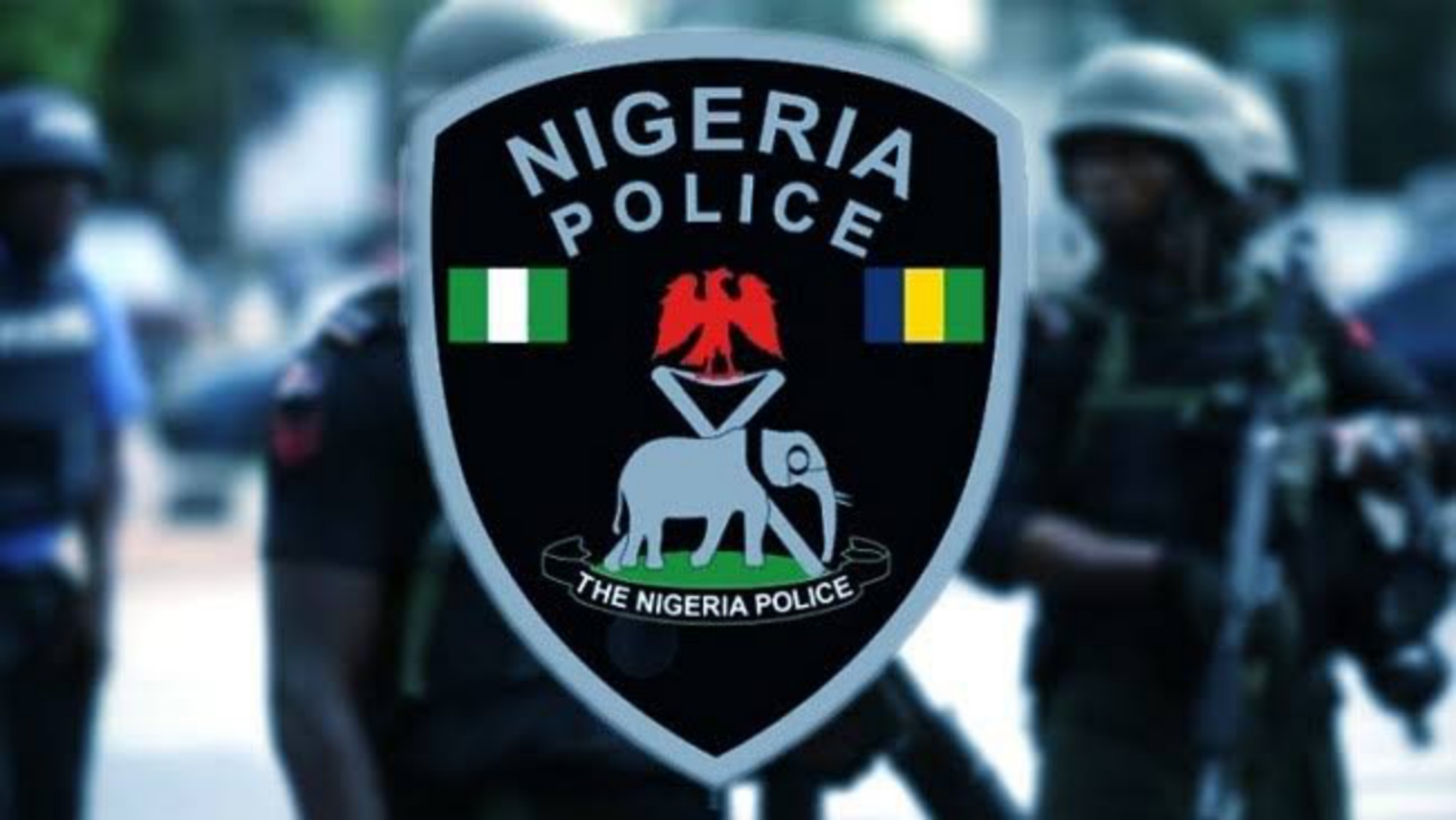
The Joint Revenue Board (JRB) has announced a strategic partnership with the Nigeria Police Force to tackle illegal tax collection and dismantle roadblocks set up for tax and levy enforcement across the country.
According to a statement issued by the JRB on Sunday, the partnership was forged during the Board’s recent high-level engagement with senior police officers.
The move is expected to target unauthorized revenue agents operating on highways and transport corridors, where businesses and commuters have long complained of multiple levies and extortion.
What they are saying
Speaking during the meeting, the Executive Secretary of the Joint Revenue Board, Segun Adesokan, emphasized the Board’s mandate to ensure uniformity, transparency, and efficiency in revenue administration across Nigeria.
Also Read
The Executive Secretary reiterated that the ongoing tax reforms by Bola Tinubu are designed to promote fairness and economic growth by focusing on taxing prosperity rather than poverty, and profits rather than investments.
A major highlight of the reforms, he said, is the prohibition of illegal tax practices that have long burdened businesses and citizens, particularly along transport corridors.
He recalled that JRB at its 158th meeting in December, 2025 had issued a communiqué banning the mounting of roadblocks for tax and levy collection, as well as the use of unauthorized tax stickers nationwide.
Further reinforcing this stance, Mr. Adesokan disclosed that a Model Hamrmonized Taxes and Levies Act had already been passed by 15 State Houses of Assembly and under consideration in others, criminalizes cash-based tax collection, illegal roadblocks, and the involvement of non- state actors in revenue collection on public roads.
- “These unlawful practices not only harass citizens but significantly increase the cost of goods and services, as transporters are forced to pass on illegal charges to consumers,” he stated.
More insights
To strengthen enforcement, the Board proposed the creation of a joint national task force in collaboration with the police.
- According to the statement, the task force would operate across all states and work closely with revenue authorities to identify, dismantle, and prosecute illegal tax operators.
- Responding on behalf of the Inspector General of Police, Mohammed Abdul Suleiman, welcomed the initiative and reaffirmed the Force’s commitment to supporting the Board.
- He said the police recognised the economic and security implications of illegal roadblocks and assured that Commissioners of Police in all states would collaborate with the Board and chairmen of sub-national tax authorities in the 36 states and the Federal Capital Territory to eliminate the practice.
The police also stressed the need for a balanced approach that combines enforcement with stakeholder engagement to address the root causes of illegal tax collection, including the involvement of some local authorities.
Flashback
In December last year, Nairametrics reported that the JRB had placed a nationwide ban on the collection of road taxes, levies, and related charges through checkpoints, including the use of road stickers by state and non-state actors as part of efforts to sanitise Nigeria’s tax administration and improve the ease of doing business.
The decision was contained in a communiqué issued at the end of the 158th meeting of the Board held on December 9 and 10, 2025, at the Transcorp Hilton, Abuja.
At the meeting, the JRB vowed to stop non-state actors from the revenue administration value chain and called on the Office of the National Security Adviser, the Nigeria Police Force, and other security agencies to take immediate action against illegal roadblocks mounted along major transport corridors for the purpose of collecting taxes, levies, rates, and charges.
What you should know
The abolition of road taxes came against the backdrop of the new tax reform being pushed by the Bola Tinubu administration through new tax laws signed last year and now being implemented.
Aside from the existing issue of multiple taxation across government levels, the high cost of goods in the country has been attributed to multiple taxation on Nigeria’s highways.
As part of its efforts to address the multiple taxation problem, the Presidential Committee on Fiscal Policy & Tax Reforms had stated that it was seeking a constitutional amendment that would eliminate 90% of taxes currently being collected from businesses by local government authorities across Nigeria.