Follow Us on Google Discover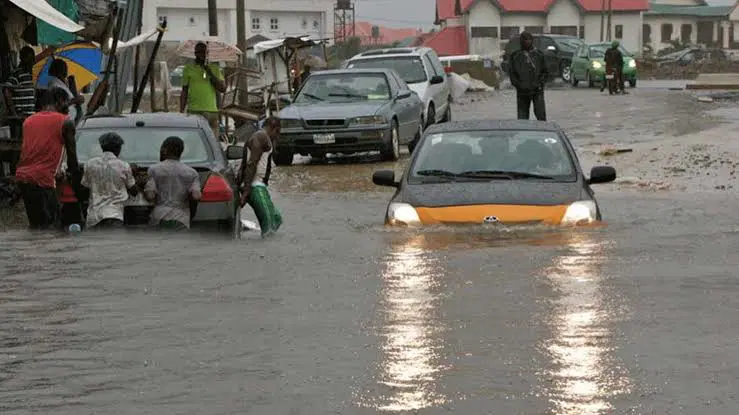
The Nigeria Centre for Disease Control and Prevention has raised an alert over a high risk of cholera and other disease outbreaks in 10 states following forecasts of heavy rainfall and flooding.
The warning was disclosed in a statement by the Director-General of the NCDC, Jide Idris, in Abuja.
This follows projections by the Nigerian Meteorological Agency and the Federal Ministry of Environment, which indicated that parts of Adamawa, Enugu, Kaduna, Kogi, Niger, Osun, Oyo, Plateau, Taraba, and Kwara states may experience heavy rains between April 13 and April 17.
What the agency is saying
The NCDC said the rainfall forecast coincides with the period when cholera cases typically begin to rise in Nigeria, warning that flooding could worsen disease transmission.
According to Idris, recent surveillance data already show increasing cholera activity across multiple states, raising concerns about potential outbreaks.
He stated that flooding increases public health risks by contaminating drinking water sources, disrupting sanitation systems, and exposing communities to unsafe environmental conditions.
- “Early action, community vigilance, and prompt care-seeking could prevent outbreaks and save lives,” he said.
The agency also warned that beyond cholera, flooding could lead to other health risks, including malaria and other mosquito-borne diseases, infections from contaminated water, injuries such as drowning and snakebites, and disruption to healthcare access.
More details
The NCDC advised residents in affected areas to take preventive measures, including using safe water for drinking and cooking through boiling, chlorination, or bottled sources.
It also urged strict hand hygiene, proper sanitation, and safe food storage practices to prevent contamination.
Residents were advised to avoid contact with floodwaters and to sleep under insecticide-treated nets to reduce the risk of mosquito-borne diseases.
- The agency further recommended seeking immediate medical attention if symptoms such as diarrhoea, vomiting, or fever occur.
- Idris called on community leaders and local authorities to intensify environmental sanitation efforts, including drainage clearance and public awareness campaigns.
- He added that the NCDC is working with state ministries of health and partners to strengthen surveillance and response systems, while supporting state governments to activate emergency response mechanisms across water, sanitation, and health sectors.
What you should know
Cholera is an acute diarrhoeal disease caused by consuming water or food contaminated with Vibrio cholerae.
The disease spreads rapidly in areas with poor sanitation and unsafe water, particularly during flooding, and can lead to severe dehydration and death if not treated promptly.
The burden of the disease is driven by factors such as flooding, overcrowding, and weak sanitation infrastructure, making children, rural populations, and displaced persons particularly vulnerable.
Despite being preventable and treatable, cholera continues to strain the country’s health system during peak outbreak periods.