Follow Us on Google Discover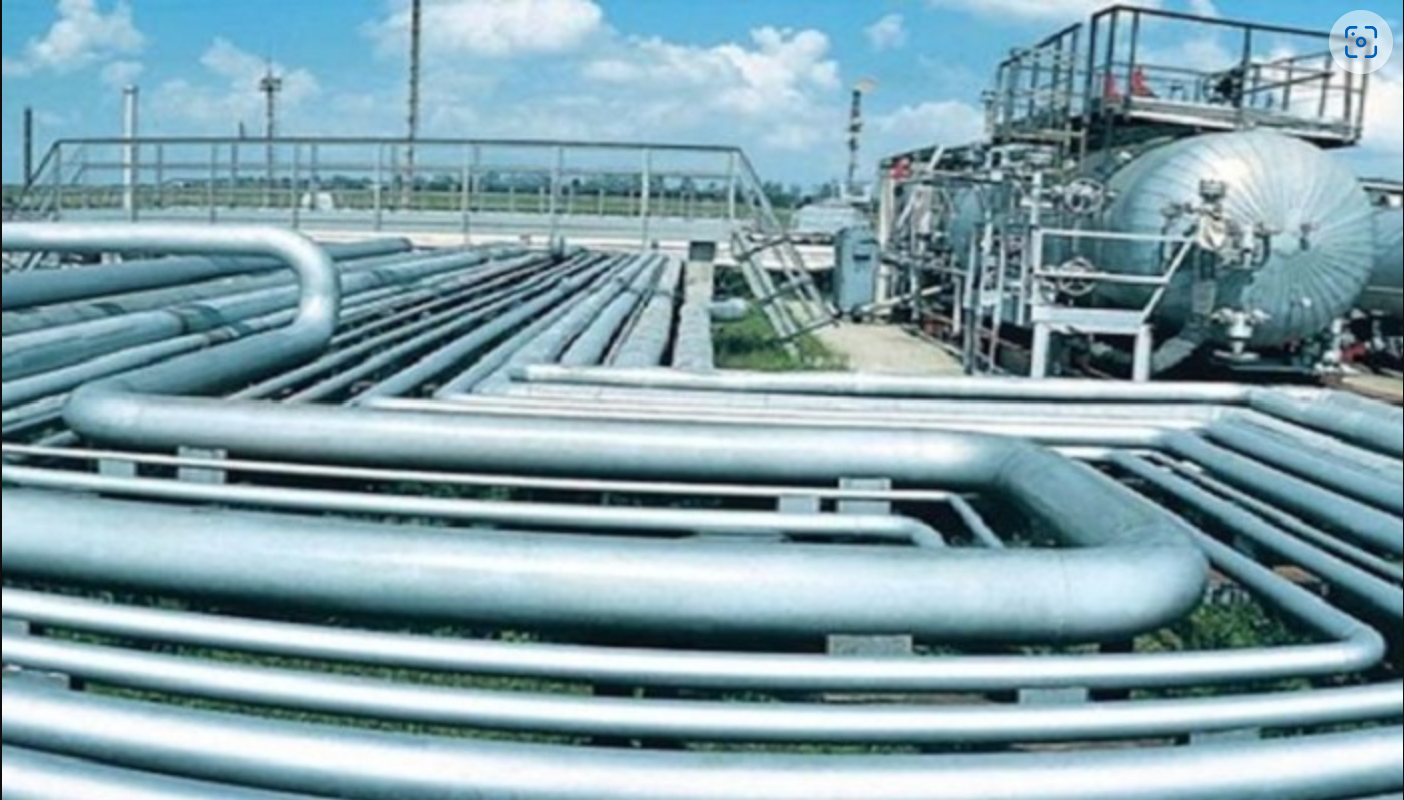
Nigeria is expected to begin gas delivery to the Federal Capital Territory, Abuja, through the Ajaokuta–Kaduna–Kano (AKK) pipeline by July, marking a major step in the country’s gas development drive.
This was disclosed recently by the Nigerian Upstream Petroleum Regulatory Commission through its in-house publication, where a spokesperson provided an update on the project’s progress.
First conceived in 2008, the $2.8 billion project has missed several delivery targets, including earlier deadlines of 2023 and the final quarter of 2025.
What they are saying
Now, with the pipeline more than 90% complete, according to Reuters, citing an energy lawyer involved in the project, July has been set for it to begin delivering gas to the nation’s capital.
- “We’re hoping that by July, gas will be delivered to Abuja through the AKK gas pipeline,” a spokesperson for the NUPRC said.
The 614-kilometre pipeline is expected to transport over 2.2 billion cubic feet of gas per day and forms a critical part of Nigeria’s strategy to transition towards gas, power industries in the northern region, and reduce dependence on diesel and fuel oil.
More details
The AKK pipeline is a key segment of Nigeria’s broader gas infrastructure expansion, designed to connect gas-rich southern regions to demand centres in the north. The pipeline runs through Kogi State, Niger State, and Kaduna State before terminating in Kano, enabling supply to industries and power plants across Northern Nigeria.
- Construction of the pipeline began in 2020 but faced delays due to funding constraints and technical challenges, particularly the complex crossing of the River Niger using advanced horizontal directional drilling techniques.
- The project is being financed through a mix of debt and equity. The China Export and Credit Insurance Corporation is providing insurance cover for 85% of the total project cost—approximately $2.59 billion, sourced from Chinese lenders. The Nigerian Gas Company is contributing the remaining 15% equity, valued at about $434 million.
Gas transported through the pipeline will largely originate from southern producing areas, linked through the Obiafu-Obrikom-Oben (OB3) gas pipeline, strengthening supply across the national grid.
The project is also expected to unlock industrial growth, improve electricity generation, and support Nigeria’s transition to a gas-based economy.
What you should know
This is not the first time a completion or delivery timeline has been set for the AKK pipeline.
- In April 2022, the Nigerian National Petroleum Company Limited projected that the project would be completed by the first quarter of 2023.
- By April 2023, NNPC said that progress had reached about 70%, with expectations that welding would be completed by the third quarter and delivery achieved before year-end.
- However, in November 2023, the company again shifted the timeline, stating that the project would be inaugurated in December of that year, a deadline that was not met.
- In June 2024, then Group Chief Executive Officer of NNPC Ltd, Mele Kyari, announced a new completion target of the first quarter of 2025, which was also missed.
The repeated delays have made the July target another critical test of Nigeria’s ability to deliver large-scale energy infrastructure projects on schedule.