Follow Us on Google Discover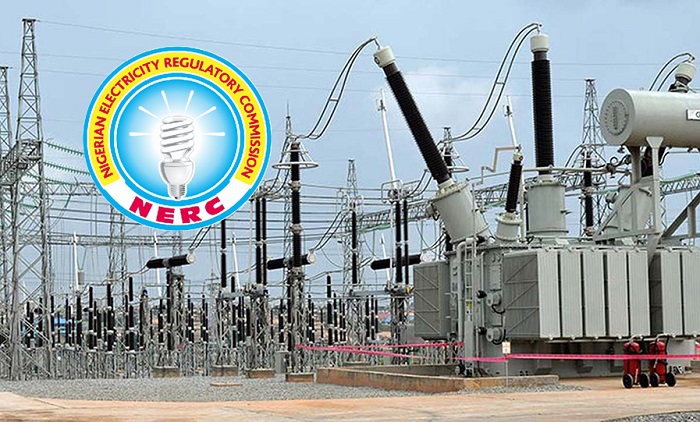
The Nigerian Electricity Regulatory Commission (NERC) has issued a new directive introducing stricter monitoring and transparency requirements for Nigeria’s power transmission system, following a marginal improvement in grid efficiency that still falls short of regulatory benchmarks.
The directive, contained in Order No. NERC/2026/026 sets out new compliance measures aimed at reducing transmission losses and improving accountability across the electricity value chain.
The order comes as fresh data from the Nigerian Independent System Operator (NISO) shows that transmission losses declined from 8.71% in 2024 to 7.24% in 2025, remaining above the 7% threshold set under the Multi-Year Tariff Order (MYTO).
What the regulator is saying
NERC said the new framework is designed to improve monitoring, data accuracy, and operational discipline within the transmission segment.
Also Read
- The commission noted that transmission losses remain above the approved 7% benchmark despite recent improvements.
- The directive is backed by provisions of the Electricity Act 2023, which empowers NERC to enforce efficiency across the power sector.
- The Order introduces a region-based reporting system to track and address inefficiencies across the national grid.
- It places key compliance obligations on both the Nigerian Independent System Operator (NISO) and the Transmission Company of Nigeria (TCN).
NERC said the reforms are necessary to strengthen transparency and improve system performance across the grid.
Under the new directive, NISO and TCN have been assigned specific operational and reporting responsibilities.
- NISO is required to deploy smart meters at all regional transmission interconnection points by December 2026.
- The system operator must also measure and document energy flows across all transmission substations.
- NISO will submit quarterly transmission loss reports to NERC, broken down by region.
- TCN is required to submit an action plan by July 2026 detailing measures to reduce losses to within the 7% benchmark.
- The plan must include technical upgrades, maintenance strategies, and operational improvements.
NERC has set a stricter target, requiring transmission losses not to exceed 6.5% by December 2026.
Get up to speed
Nigeria’s transmission network has long struggled with technical inefficiencies and infrastructure limitations.
- Aging transmission infrastructure has contributed to persistent system losses.
- Limited real-time monitoring has historically hindered accurate tracking of energy flows.
- Previous reforms have focused on improving metering and reducing system inefficiencies.
The latest directive builds on these efforts by introducing more granular, region-based oversight.
More insights
NERC said the new reporting structure is intended to improve regulatory visibility and enforcement capacity.
- Regional loss tracking is expected to help identify specific bottlenecks in the transmission network.
- The framework aligns with broader reforms aimed at improving service delivery in the power sector.
- It also supports efforts to attract investment into grid infrastructure through improved efficiency and accountability.
- Industry stakeholders note that a sustained reduction in losses will require continued capital investment and stronger grid management.
What you should know
NISO stated that Nigeria’s prolonged power outages, affecting homes and businesses nationwide, are primarily due to inadequate gas supply to thermal power plants.
Nigeria’s power sector remains heavily dependent on gas-fired thermal plants, which account for over 70% of grid electricity, while hydropower contributes the balance. This makes the system particularly vulnerable to disruptions in gas supply.